April 2003

April – Waiting for the spring

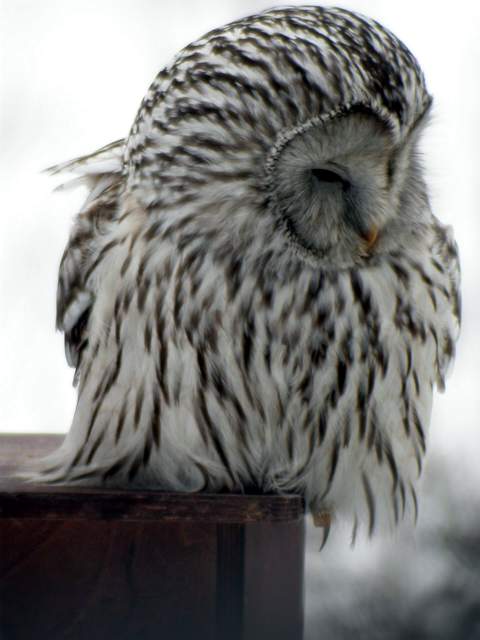
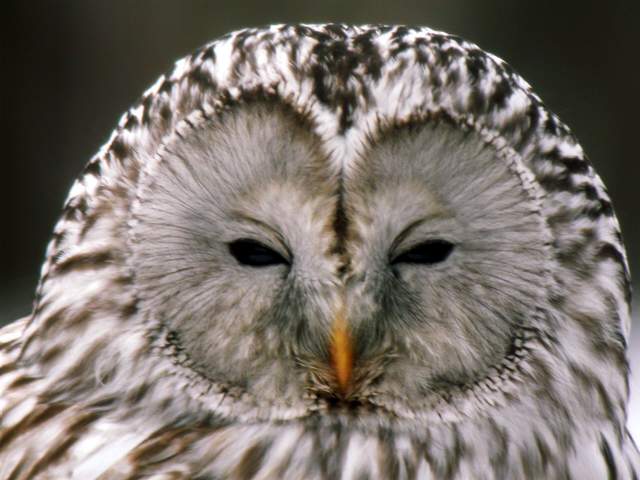
In the beginning of April it was very cold and snowy. First arrived migration birds left back to South. So I didn’t find much to photograph. On the 5th of April Timo Kauppinen called me that he has a Ural Owl sitting in his backyard. Owl had been sitting there and watching the traffic of the feeder. So I decided to leave there on my lunch-hour. After some searching we found the bird and soon it flew to sit over the feeding place. Of course the Owl was in a bad shape, it was hungry and that was why it was so brave. So I could take tens of good pictures of it.

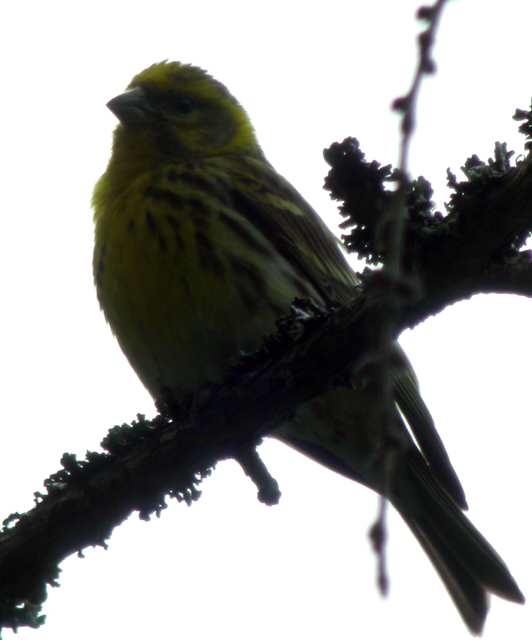
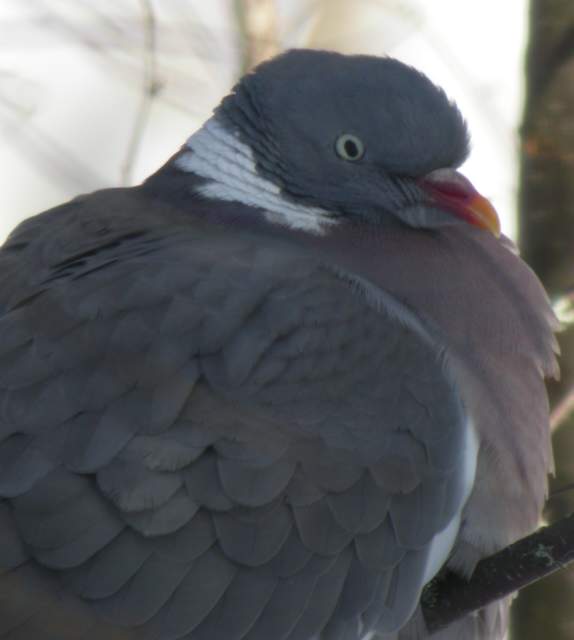
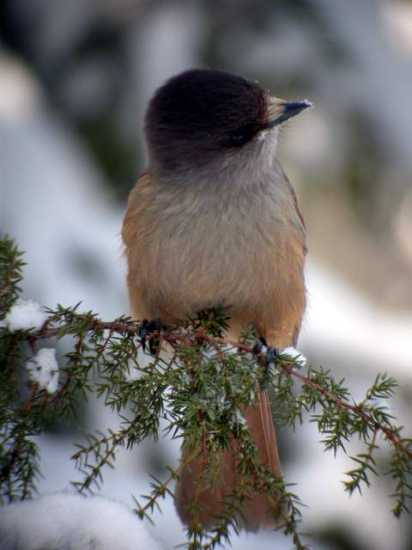
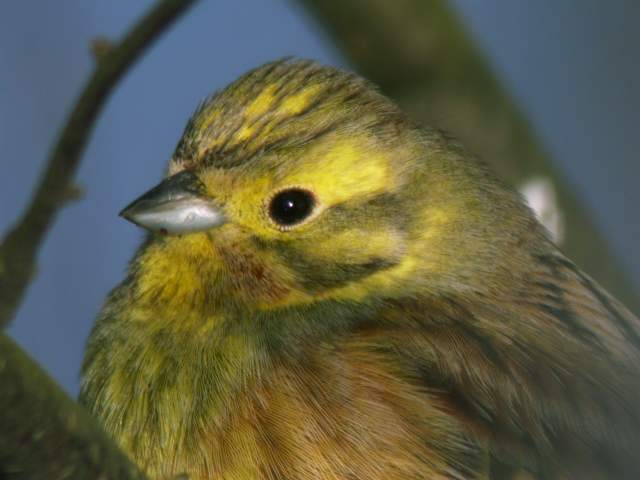
After some back-winters I was digiscoping some Woodpigeons in my mother-in-laws backyard in Tarvaslampi. Pigeons were there eating under a feeder because of there was nothing to eat elsewhere yet. With Hannu Siitonen we visited also in Siberian Jay forest, but the birds were not easy. In Tarvaslampi Yellowhammers were very easy to photograph. I Digiscoped them inside, I just opened the window, so birds didn’t flush.

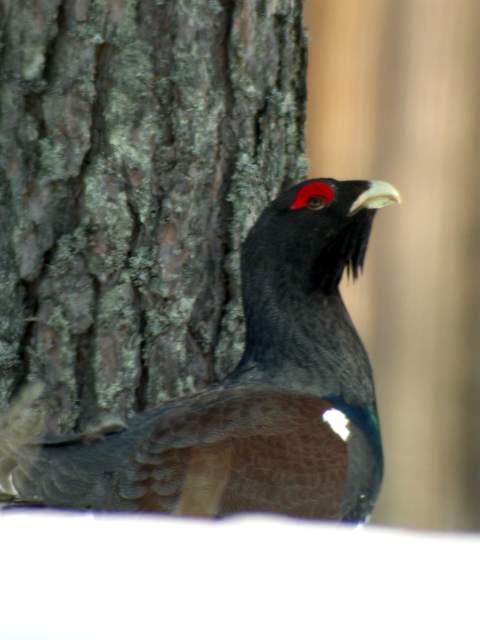
On the 11th of April I left to Oulu to move the rest of our stuff to Parikkala. Hanna was still there studying while I had been working in Parikkala for two months already. On the beginning of my Way I saw a beautiful male Capercaillie standing in a forest. I managed to get just one picture before it flew to the deeper forest. Close to Oulu in Liminka I digiscoped a Roe Deer eating in a snowy field. But in Oulu there wasn’t much to photograph. In Rusko rubbish tip there were just some funny looking Rooks.

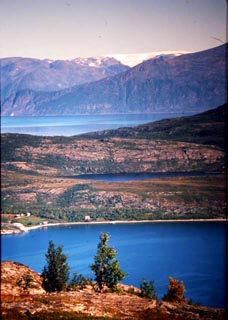
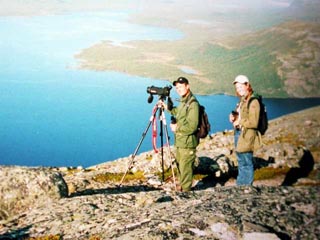
Next week I had only time to photograph a Wood Lark which was singing loudly in Sounio, south from Siikalahti, before we left to spent whole Eastern in Varanger North Norway! Norway Varanger IV/2003 (Whole trip report: Yellow-billed Diver, Great Northern Diver, Fulmars, Gannets and very good time!)

After the trip to Varanger I started my work as a bird-guide in Parikkala Siikalahti (the best birding lake in Finland). (I had been waiting for that!) In the end of April Siikalahti was still almost totally frozen! Only small water areas where Coots and Goldeneyes could swim. Other ducks were only few. Some Slavonian Grebes brought some colour. During the last days of April the spring finally came! Migration birds were every day more and more. Every day I could find new species to digiscope. Light was still pretty bad and the weather wasn’t very good but still I managed to get some good photos.

J.A.

March 2003

March – Trip to Lappeenranta

First weekend of March I was birding and digiscoping in Lappeenranta area with Harry Nyström. I got pictures for example of Hawk Owl at Lappeenranta Askola and White-backed Woodpecker at Imatra Salo-Issakka. But the funniest thing that happened was in Lappeenranta Vainikkala. We were searching for Owls that other birders had seen in the area when I noticed a Duck (or something) starting to land to a snowy field. And it happened, a male Goosander landed to snow and smashed deep in it. Perhaps it had too cold or it was too tired to fly anymore. And there was no open water in about 20 kilometres. We tried to catch the bird but it wasn’t that tired.

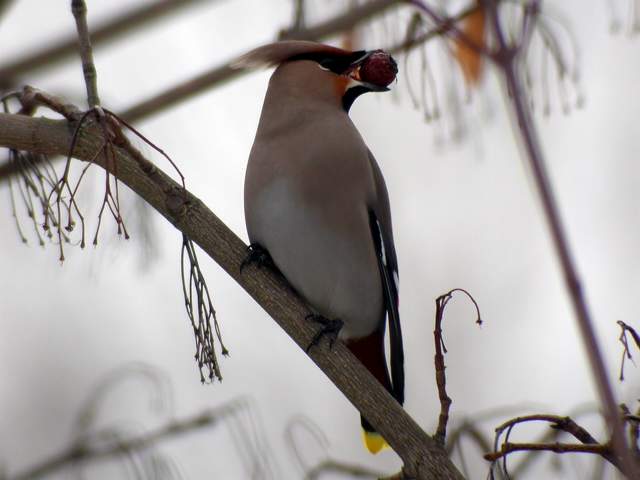
Before arriving back at Parikkala I had another try to scope the Black-throated Thrush. Now I managed to get better pictures. I got also wonderful pictures of a Waxwing which was trying to swallow a big frozen berry about 15 metres from me.

Beginning of March went mostly in work. When I had time I was photographing somewhere in Parikkala. The biggest work I made trying to get Grey-headed Woodpecker pictures. Finally I got them from backyard of Hannu Siitonen.

On the 14th of March I left to a weekend trip to Oulu where my wife Hanna was still making her studies. I was on a trip with Hanna’s aunt and almost the whole weekend I was a driver for her, Hanna and Hanna’s sister Elissa. But while they were shopping I managed to have some twitching. From Äimärautio I managed to get wonderful pictures of Crested Lark (which is very rare in Finland), from Oulu-river (Laanila) I got Little Grebe and from Rusko rubbish tip Shore Lark pictures. I was trying to find a Lark for about an hour and finally when I found it a worker came to shout me that the rubbish tip was closed already! I managed to get two photos before I had to rush. It’s possible to get left behind the locks with your car. At Sunday I had time to digiscope a Great Grey Owl in Hietasaari and Nutcrackers in Välivainio before leaving back to Parikkala which is 500km from Oulu.

On late March I visited my parents in Kirkkonummi (Southern Finland) but it was still so cold and so snowy that I didn’t manage to get good pictures. Last trips of the month I made by bike to Siikalahti. Not many pictures were taken but if you try hard enough, some days you are lucky! Once I was leaving Siikalahti after a poor trip and I decided to bike around Siikalahti bay. I took even my scope on my shoulder, so I would be ready if something founds. After scoping a Yellowhammer I continued biking. Suddenly I saw some animal walking on a snowy field. I jumped of my bike (bike was still moving and went to ditch) and in 10 seconds I had my scope and camera ready. I focused and I got some pictures of a LYNX! It was already dark and snow was steaming but at least I got something!

J.A.

February 2003

February – I got my Nikon Coolpix

Many times I have had very good possibilities to get good pictures of birds, but I have got one big problem – I haven’t got a camera! Finally I found a way of photographing which seemed perfect to me – Digiscoping. I didn’t want photographing to take too much time from other birding. I wanted to get good photos just while birding. And digiscoping was the way.

After joining a digiscoping weekend in Joensuu I was sure I have to get a camera, soon. At same Monday I called to Mikko Kataja (FotoFennica) and ordered Nikon Coolpix 4500 camera. After a few days I could get my camera with adapter to my Zeiss 85 scope, two batteries, two 128mB memory cards and electric wire-snapper.

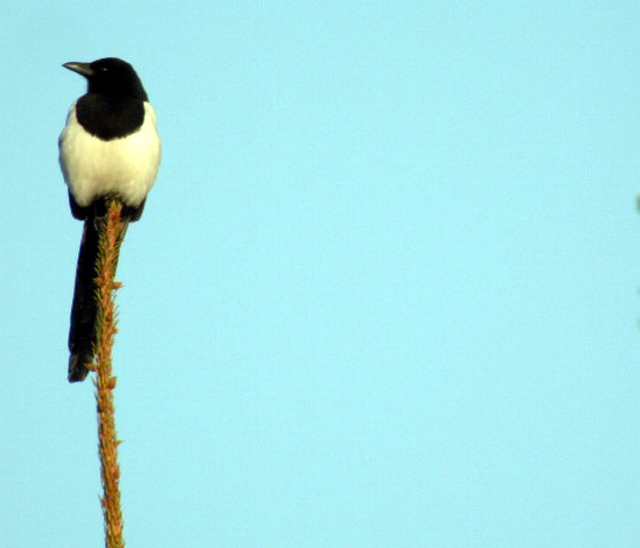
After I got the batteries loaded, I left to photograph some birds right away. I took my scope on my back and camera hanging to my neck and left by bike to Siikalahti (The best bird-lake in Finland but of course totally frozen in these days). It was freezing (more than -20 degrees). But of course I found some common birds to “shoot”, first one was a Magpie which was having some sun on the top of the spruce. Other birds I digiscoped were Bullfinch, Hooded Crow and Waxwing.

At the last day of February I had a change to loan my father-in-law’s car and have whole weekend just birding and digiscoping. So I decided to start my trip at Simpele where was a Black-throated Thrush wintering.

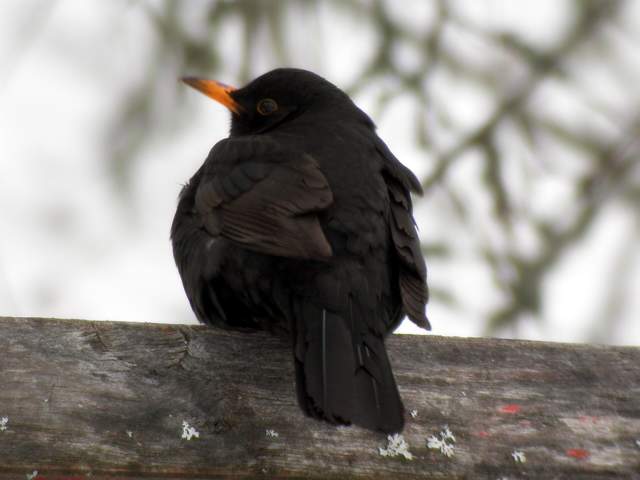
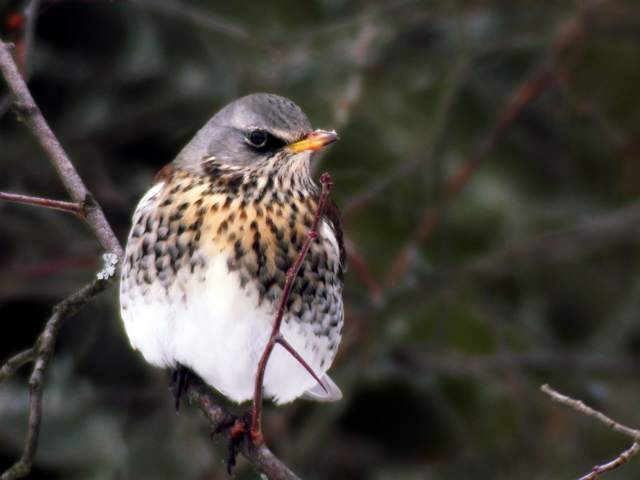
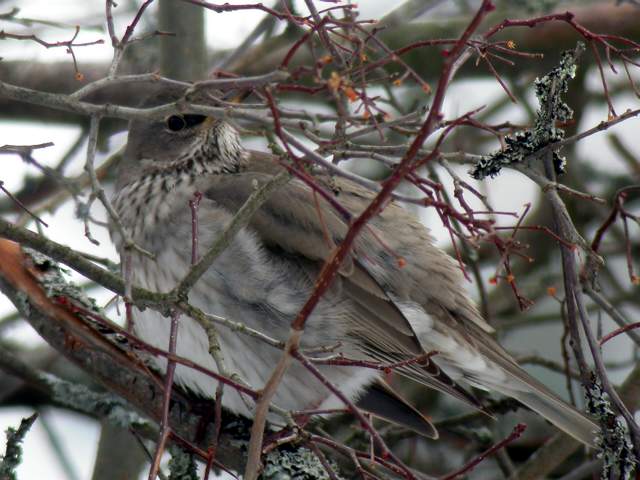
While waiting THE Thrush I got one picture of a Blackbird and a Fieldfare each other – very good ones. It was again freezing, but I tried to photo 2 calendar year female Black-throated Thrush about an hour but it was very shy. The Thrush flew every time to eat in the middle of the bush and soon back to deep spruce-fence. So soon I decided to leave more South to Lappeenranta to twitch and photograph some more birds. But that trip was already March…

J.A.

Enontekiö Lapland and Northern Norway from 20th to 26th of August 2002

A trip to Enontekiö and Alta begins

After a hard bird-work-summer it was time to start a hard bird-holiday and we left north to Enontekiö where my brother Pirkka lives and from there we continued to Altafjorden and Lyngen.

With Hanna we left from Oulu on the 20th of August by bus and after a couple of changes of buses we were finally in Enotekiö Hetta. We still had time to visit a new Joentekiäinen bird-tower but only interesting birds were some Waxwings and a Hen Harrier. Anyway the scenery was beautiful.

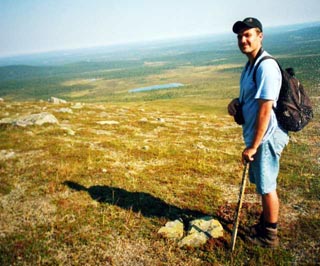
Walking in fjelds

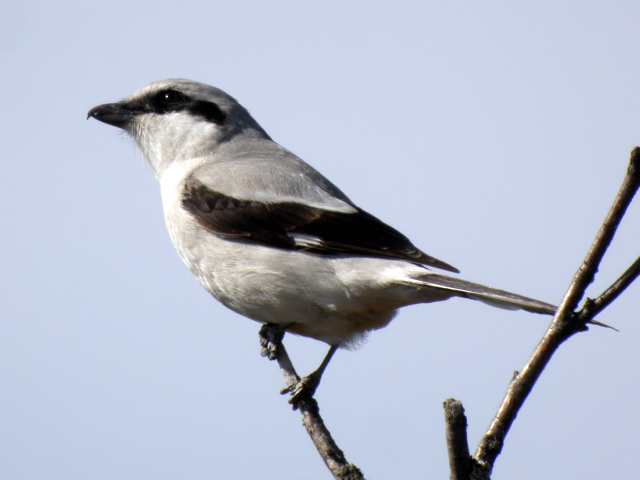
On the 21st of August after a long night sleep we left at 6 a.m. towards Ketomella. On the way we stopped a couple of times and had a Red-throated Pipit in Vuontisjärvi and a family of Great Grey Shrikes in Peltovuoma. Finally Pirkka dropped us to the place where our long walk started; Pirkka had to go to work. We had planned to walk 30 kilometres along Ounas-Pallas National Park trail back to Hetta.

I was carrying my scope and in the beginnig we were walking through some pineforests and small bogs where we saw several flocks of migrating Common Crossbills, some Siberian Jays, lots of Mistle Thrushes and Waxwings and so on. Soon we came to National Park and the forests changed to birch-forest and after some climbing there was no trees at all anymore. There we saw plenty of Lapland Buntings, a couple of Kestrels, Hen Harriers and Rough-legged Buzzards; it seemed there were many Lemming eaters around.

Soon we found the first Peregrine Falcon that was mobbed by 2 Kestrels and a little bit later we found a sub-adult Golden Eagle soaring far over fjelds.

After some climbing along the hillsides of Ounasfjeld we found a family of Snow Buntings from the top of Pyhäkero. There we walked a lot in rocky ground and it was really hard work because of it was getting very warm. But finally we found a couple of families of Ptarmigans, 2 males, 2 females and altogether 13 young birds. Males were calling and somewhere further a third male was calling too. We of course photographed these birds well before we continued walking.

Later we still found a family of Golden Plovers and after 30 kilometres walking we were on the shore of Lake Ounas and we got a taxi-boat to the other side of the lake to Hetta.

To Altafjorden

The next day we were just relaxing after a hard walking day. Of course we visited Sotkajärvi bird-tower in the evening and saw 2 Peregrine Falcons and on the way back to Hetta we saw a Three-toed Woodpecker in Muotkajärvi.

On the 23rd of August we left towards Norway. After we had crossed the border, we started to collect Norway-ticks. I had been in Norway only in spring so there were plenty of new ticks coming: Mistle Thrush, House Martin, Pintail… In Kautokeino we stopped and visited Juhls silver-workshop.

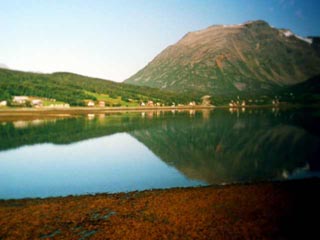
When we started to get near Altafjorden the scenery changed: pine-forest, lush leaf-forests and high mountains. A Black-throated Diver and Waxwings were seen before we finally saw the Arctic Sea in Alta and there we saw Black Guillemots, Red-throated Divers, hundreds of Eiders and so on.

It was already getting late so we stopped only in good looking places. We photographed a tame young Shelduck and the first porpoises were seen on the sea.

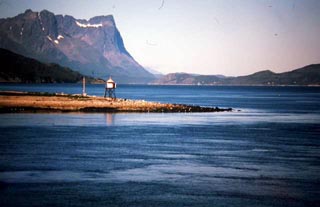
Finally we parked to Längenesjolmen (Isnestoften) to a shore where we had on our previous visit seen an Iceland Gull. It was the westernmost spit of Finnmark so Pirkka hoped to get still some Finnmark-ticks there. The scenery was amazing, high mountains were rising straight from the sea around us.

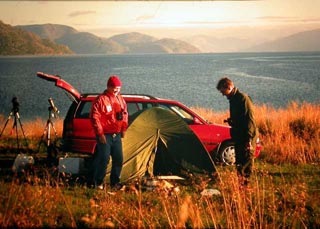
We put up the tent very close to the sea and still walked for some time on the beach. Hanna was collecting seashells but soon the sun set down and we went to sleep.

Around the fjords

On the 24th of August we woke up very early and it took 15 minutes to get out. There was already lots of action in the air! Greylag Geese were calling and Arctic Skuas were mobbing a Peregrine Falcon. It didn’t take long that we were completely awake!

Soon we found the first Kittiwakes, a Long-tailed Duck, Cormorants, 2 Shags, 2 White-tailed Eagles flew over us and we heard Two-barred Crossbills calling from the sky.

Hanna went to walk to the beach but the tide was very high now so she just photographed some Eiders. We stayed there watching to the sea for several hours and saw still a Dunlin, a Merlin, a Common Scoter and a Yellowhammer and so on.

After all we had to keep on driving and we drove around many fjords. In Langfjordbotn (Finnöyra) we saw Bar-tailed Godwits and altogether we saw several Lapwings, Oystercatchers, Ringed Plovers, Dunlins, Spotted Redshanks, Shelduck families and Common Terns. A single Wood Pigeon flew over us too.

We also saw a Herring Gull carrying a huge sea star. Hanna would loved to see the seastar better but all other birds were chasing the gull so after all it flew in the middle of the fjord to eat it alone.

To Tromsø

We crossed to border to Tromsø province and the first spruce-forest producted some species that we hadn’t seen in Finnmark at all like a Robin. From Sorstrammen bridge we saw a couple of Grey Herons and about 20 Greylag Geese.

In Kväenangsfjället the road got higher to the mountains and there we saw a big falcon briefly and we were quite sure it was a Gyr Falcon. Unfortunately we saw it too briefly.

In Rodsund we saw a Bean Goose in a flock of Greylag Geese and then we got to our target place to Lyngen and there we drove to Spåkenes where was a hide for birders.

Spåkenes wader-place

The tide was starting so the waders were still pretty far: 2 Sanderlings, 25 Curlew Sandpipers, 15 Little Stints, 50 Knots, 500 Dunlins, 60 Ringed Plovers, a Turnstone, Ruffs and so on. Also 10 Arctic Skuas, 23 Shelducks, 35 Greylag Geese, a White-tailed Eagle, 3 Kittiwakes, a Merlin and 40 Velvet Scoters were seen.

The tide was getting higher and all waders were pushed closer and closer to us and soon there were only a couple of reefs that were full of birds. Then many birds had to leave to other places or to continue their migration.

We also continued and decided to stop after a couple of kilometres to watch to the sea. After some searching I found a small seabird floating far in the middle of the sea. Luckily it was coming closer slowly and after some waiting we could identify it as a young Puffin. It was a lifer to me and Hanna!

While we continued our way we laughed how we started to get used to mountains. Our last and 74th Norway-tick was a Rock Pigeon in Skibotn.

We crossed the border to Finland in the evening and the mountains changed to lower and more roundish fjelds. In Kilpisjärvi we started to plan where to tent. There we saw a tame young Peregrine Falcon perched no a top of an electric pole.

After all we decided to drive to the eastern part of Lake Siilas to tent. The place was perfect, Red-throated Divers were calling in flight while we fell asleep.

Saanafjeld

The 25th of August. Our last day was spent in Saana. We wanted to find some fjeld-specialities. There had been Ring Ouzels, Long-tailed Skuas, Dotterels and a Gyr Falcon earlier in summer.

We started early and after we had heard a Tree Pipit we started to climb up to Saana. After some walking in low birches, we started to walk in junipers. Pirkka had to go to do morning sit somewhere to bushes and right then we found a female Ring Ouzel! Almost in same time a Peregrine Falcon flew over us and a family of 9 Willow Grouse was running almost under our feet.

After we had photographed the Willow Grouses we found Pirkka and he was a little bit jealous but shit happens! But soon we heard something like a Raven calling from the top of the fjeld and it wasn’t a Raven but a Ptarmigan female with 6 chicks! These Ptarmigans wee very different in colouration than the ones we had seen in Ounaskero. These were much greyer.

From the top of Saana we found a couple of families of Snow Buntings. Meadow Pipits and Northern Wheatears were common; also a couple of Red-throated Pipits were heard. We decided to walk down to Lake Saana and from there we walked back to the Ring Ouzel place. And luckily we find the bird again and Pirkka was happy. Only a couple of Kestrels were seen anymore and after about 20 kilometres walking we were back to Pirkka’s car.

We still visited Kilpisjärvi research station before left to drive towards Hetta. Between Kilpisjärvi and Karesuvanto we saw 13 Rough-legged Buzzards and in Jietajänkä we saw a Great Grey Shrike.

Back to home

Next morning we took a bus to Rovaniemi and there we changed to a train. In Tervola we saw a Nutcracker from a window. It was a long way home but finally we made it in the evening.

Altogether we had seen 94 species of birds during our trip. And we had seen amazing landscapes! So we had really enjoyed!

J.A.

Russian Karelia from 2nd to 4th of August 2001

Getting familiar with birding places in Vyborg and Ladoga

We had been jealous to Jari “konza” kontiokorpi for years as he had been birding so much in Russia. Especially we had heard many stories about amazing arctic migration in Vyborg. When we finally had some holiday from our work in Siikalahti, we wanted to go to see the places where we could maybe one day go to watch arctica. Konza promised to show us some of the best places so maybe Hanna could later plan a tour to Russian Karelia too.

On the 2nd of August we hit the road by Hanna’s father’s “new” Golf. We picked up Konza in Simpele and in Imatra we needed to get some papers for the car so Hanna’s father needed to follow us until there. Finally we had got one more stamp to our papers and we were ready to continue to the border.

Luckily we had Konza with us, we needed to carry so many papers to different offices and get so many stamps to every paper. But finally we were free to drive to Russia.

Vyborg

We were in Vyborg about at midday. We drove straight to Tervaniemi. Of course there is nothing much to see in arctic migration places in this time of the year, but anyway we wanted to see the places. We saw only a Hobby and a Ringed plover.

Next we continued to Pappilanmäki where in the forest we heard a young Greenish Warbler. On the top of the hill the rock was full of glass.

Äyräpäänjärvi

In the afternoon we continued to famous Äyräpäänjärvi. The southern bird-tower was really good. It just took some time to get in to the tower as it was locked. Some local old man was probably a guide or something and he let us go up. We found immediately a stunning Greater Spotted Eagle which was showing very well. It is aloud to fish and hunt on the lake but it seemed to be difficult to watch birds without permissions. Later we saw another Greater Spotted Eagle, several Black Terns, Marsh Harriers, Ospreys, Sparrowhawks and so on.

We continued to west side of the lake to Sikniemi where we saw another pair of Greater Spotted Eagles and then to Bulatnaja fields. There we saw a 2nd calendar year male Hen Harrier, 2 Marsh Harriers, 2 Common Buzzards and a Honey Buzzard. From Kaukila bridge we saw huge reed-beds and how wide River Vuoksi was here. The places really looked good, just the time of the year was wrong.

We stayed in old cowshed that had been renovated to a Vallu’s Guesthouse. Many Finnish tourists were staying in this place. Service and food were good. There were lots of materials from war in the garden so we could have easily spent more time there.

To Ladoga

On the 3rd of August we left early to Ladoga. We were in Taipale before 7 a.m. and there we saw how huge Lake Ladoga really was! We had hoped to see some Common Scoter migration and also Great Spotted Woodpecker migration, but we saw only 317 Common Scoters in 5 flocks and just a single Great Spotter Woodpecker that only tried to go over the lake.

The views were amazing! There was no wind at all and sun was shining from the cloudless sky. Some Greenshanks, Wood Sandpipers, Ruffs, Curlews, Whimbrels and Dunlins and one Black-tailed Godwit were migrating towards south already. Also a Long-tailed duck, 3 Cormorants, Long-tailed Tits, Goldcrests, a Crested Tit, 500 migrating Black-headed gulls, some common Terns, 66 Common Crossbills with some Parrot Crossbills, 6 Ospreys, 2 Hobbies and 7 Marsh Harriers were seen.

There were lots of Russian tourists tenting and fishing on the shore.

In Metsäpirtti shore we saw a Grey Heron and in Igolka we had serious problems to get to the shore because of storms had cut many trees to the road. Luckily someone had been cutting one track clean. There we saw 4 migrating Oystercatchers, 2 Spotted Redshanks and at least 3 local Rustic Buntings.

Our next stop was in Metsäpirtti fields where we saw 2 Honey Buzzards, 3 Common Buzzards, a Hen Harrier, a male Kestrel and a male Marlin. The best bird was a Turtle Dove which Janne saw flying fast to the forest.

To real Russia

We continued checking one fur-corral, Kivennapa, Terijoki and Alakylä fields to real Russia. Until this we had been former Finland.

In Alexandrovskaja pools we found a Grey Heron and some waders: 3 Dunlins, a Temminck Stint, 5 Ringed Plovers, 2 Greenshanks and a Ruff. On the sea we saw a couple of Little Gulls and Black Terns.

In Siestarjärvi we saw another Grey Heron and Common Sandpiper, 20 Little Gulls and a Black Tern. Then we continued to Gorskaja old factory-area and it looked promising. We saw 42 Gadwalls (6 families) and a Garganey. In the evening we tried to find a hotel to stay but Olgino 1300RUR per room was too expensive and a couple of other hotels were just too bad so we chose to go to Repinskaja where we got 2 rooms with 1300RUR. We had no more money to eat so we used cooker on the balcony and had bread with meat-balls.

Lisj Nos warbler paradise

On the 4th of August we woke up early and 5 a.m. we were already driving to the mouth over River Siestar. The weather was very calm and sunny but cool. Only 10 Ringed Plovers, some Dunlins, a Little Ringed Plover and some other common waders were seen. 7 Little Terns were flying on the sea and a Great Crested Grebe had even 7 youngsters. Also a Merlin, 2 Grey Herons and a Nuthatch were seen.

Soon we continued to Lisj Nos grove which was amazing forest with huge leaf trees and also amazing numbers of birds! On the shore we saw Grey Herons, Black Terns, Pochards, a Slavonian Grebe and so on, from the reed-bed we heard Great Reed and Reed Warblers and bushes were full of passerines. We saw plenty of Blackcaps, Garden Warblers, Lesser and Common Whitethroats, Chiffchaffs, Wood Warblers, Wrens, Treecreepers, tits, even a Marsh tit, Spotted and Pied Flycatchers, Nuthatches, Tree Sparrows, a Redstart, a Lesser Spotted Woodpecker, a couple of Hawfinches, an Icterine Warbler and so on. They were all together in big flocks!

From Lisj Nos we left towards Vyborg and Finland. We drove along the costal road through Terijoki and Koivisto. Somewhere we collected all our rupias and bought something to eat. From the seaside we still saw some Russian ticks like 4 Stock Doves, 2 Great Black-backed Gulls, a couple of Arctic Terns and 5 Cormorants. Other birds we saw were some Hobbies. We tried to find some Barred Warblers too but they had already left their breeding place.

To Finland

In Vyborg we still checked a couple of places that we had already visited a couple of days earlier and also visited a couple of possible hotels for the future. On the border we had to wait on line for 3 hours before we got to Finland.

Altogether we had seen 121 species so we had got a good beginning to our Russian list. Many South-Karelian birders have much longer lists. But for sure we will get our lists longer in the future!

J.A.

Lithuania 12th to 16th of April 2001

To Lithuania

About a week before the trip I got a phone call from Matti Lötjönen: “Hello Janne, would you like to go to Lithuania?”, “Hello Matti, when we are going?”, “After one week.”, “OK!” This was about how it all started.

We left with Hanna from Parikkala by night-train in the evening of the 11th of April. We met Matti in Helsinki and continued by Matti’s small car to the ferry terminal and soon we were going towards Tallinn. On the ferry we started to keep the trip-list. On Thursday 12th of April at 11:30 a.m. we left by car to drive through Tallinn. Matti was driving and Janne reading a map always when we got to the cities. We crossed the border to Latvia and managed to drive through big Riga pretty easily. After we had crossed the border to Lithuania we still had 200 kilometres to drive to Rusne.

Rusne is the south-easternmost place of Lithuania and it is situated on the coast of Baltic Sea, it is a delta-area of the biggest river of the country Nemunas. Rusne is 5 to 7 kilometres big area and there are many fish-pools and many other good birding places too. During the migration there can be more than 10 000 White-fronted Geese on the fields.

On the way we saw mostly Lapwings, Common Buzzards, some flocks of White-fronted Geese and of course White Storks. It was already 10 p.m. when we finally were in Rusne. We called to the owner of our hostel and she came to pick us up from the village. After a couple of minutes we were in our house where a fire was warming. We paid our 2 nights stay with lunches and dinners and it was 220 litas altogether.

Birding in Rushne

On the 13th of April we did birding from the both bird-towers near Rusne fish-pools. We started from the closer tower. Once we had parked our car we heard a Savi’s Warbler singing. Bitterns were calling, Chiffchaffs singing and from the pools we found 5 Black-necked Grebes, a Red-necked Grebe, Great Crested Grebes, Gadwalls, Pochards, lots of Smews, many common ducks and swans. A couple of Penduline Tits were feeding on the willows and moving slowly towards the village. Several Bearded Tits were heard and also a Water Rail was calling. White-fronted Geese were moving from Silute to Rusne fields but they were moving in small flocks. The weather was very moisture so only raptor was a Marsh Harrier. We stayed on the tower for about an hour.

Next we continued to the northern tower and on the way we saw lots of ducks and waders. Pintails, Shovelers, about 100 Teals, some Garganeys, Mallards, about 10 Black-tailed Godwits, 20 Snipes and even 2 Avocets were seen moving somewhere.

From the tower we saw to the sea and there was about 100 Whooper Swans, also Bewick’s Swans were further but the haze made identifying difficult. Mute Swans were staying closer to the tower with Greylag Geese. We also saw several Grey Herons and a White-tailed Eagle that tried to catch a hunter’s plastic duck! It tried to catch it several times flying every time slower and then landed over the duck but the duck of course was too slippery to catch. It was funny to watch! Finally the eagle gave up. On the meadow in front of us there were Black-tailed Godwits and some Redshanks and Ruffs. We also checked some fields nearby but found only more White-fronted Geese. Only some tens of Bean Geese were seen, 110 Barnacle Geese were seen in on flock.

In both Rusne and Oudra village we saw some Grey Partridges. Linnets and Gold Finches were common but we didn’t find any Serins even though we really tried.

Afternoon birding

While waiting for lunch we saw a couple of Black Redstarts in our garden. When we finally understood that we had came an hour too early we decide to sleep a little before the lunch. The lunch was very local, as starter we had raw fish-salad with jam. Then we had local soup and then good pork that had just been killed from the garden and excellent potatoes. Also the dessert was delicious.

In the afternoon we drove to the southern forest areas. Unfortunately it started to rain very hard but after some time the clouds moved away and sun started to shine. Thrushes and other passerines started to sing. We found a nice oak-forest along the Nemunas river. There we met also boarder guardians. 8 Cranes and a flock of almost 1000 White-fronted Geese were found from the fields. Geese were very shy! Grey Herons were fishing on the Russian side of the river and a Black Woodpecker was calling. A Kingfisher was seen flying along the river. Song Thrushes and Robins were very common and some Wrens were heard too. We also found a Bittern standing next to the road and it did its best to hide to the reeds.

We continued to the forest south of Silute and we saw a big flock of Cormorants, some Grey Herons and of course White Storks along the river. The road was in bad shape becouse of some resent floods. Finally we found the first Lesser Spotted Eagle and soon another eagle came there too and they landed to the field and we saw them mating! We also saw a Rough-legged Buzzard and a Common Buzzard.

After we had continued we found some deers and they are amazing fast runners, Matti’s Nissan wasn’t speeding up that well. Later we saw a Great Grey Shrike and a Collared Dove before we continued to Silute to do some shopping. The last observation of the day was a Beaver.

We had a dinner at 8 p.m. and we had again some salad and home made sausage. Then we were talking with our host and watching pictures she showed us. It was nice.

Kroku Lanka

On the 14th of April we started early and we were surprised when we noticed that it had been snowing during the night! There was a 5 cm snow-layer on the ground! Anyway we left towards Kintai pools and Kroku Lanka reed-beds and fields.

Kroku Lanka is a big bay in Kuronian Sea and it had big reed-beds and fields, the bay itself is not that good for birds. Next to the bay there is Ventes Ragas spit where is also a bird-station. Kintai is a village along the road to the spit. Neringa is a long dyne that divides Kuronian Sea from Baltic Sea.

On the way to Kroku Lanka we saw lots of Skylarks and Blackbirds. Golden Plover, Lapwings and Snipes were found from the snowy fields and also a Green Sandpiper and a Ringed Plover were seen. We continued to Kroku Lanka harbour where we saw an Oystercatcher. Birds were very tame because of the cold weather; they needed to feed so they weren’t shy at all. So we managed to see a flock of 200 White-fronted Geese very well too.

We continued towards Silute and the turned to Kintai pools. The water-level was low so it really looked good place. 100 ducks were seen, but only interesting was a strange dipper-coloured Mallard. Some Ruffs, a Green Sandpiper, Lapwings, a lonely White-fronted Goose and some swans were seen too. The signs told that we couldn’t continued to the pools that were still in use, so we turned back to old pools. Only Grey Herons, Black-headed Gulls, White Wagtails, Starlings and Lapwings were found.

Towards Neringa

We continued to Ventes via Kintai village. We saw a Lesser Spotted Woodpecker and lots of Chaffinches. 5 bullfinches and a Sparrowhawk were new trip-ticks. In the garden of a bird-station we saw a flock of 5 Waxwings and there we saw also 3 huge fellas that were catching birds. There were some smaller ones on the shoreline but now only some mist-nets were working, because of the wind that was finally dropping down.

The younger ringer was checking the mist-nets and there were Goldcrests and Greenfinches hanging. He told us about the numbers they had been ringing and they were huge numbers! Last week they had caught hundreds of Goldcrests and even 8 Firecrests too! Unfortunately now there was almost no migration at all, but from the shore we found some ducks, grebes, mergansers and Coots. In alders we saw Robins, Wrens and tits. On a small pool in the garden there was a Moorhen swimming. The best bird was a Rock Pipit that was feeding on a grass.

Soon we had to continue towards Neringa. On the way we saw some Grey Partridges and Yellow Wagtail, Ruffs, ducks and gulls. On the way to Klaipeda we checked the fields along the road and saw Kestrels, Common Buzzards and so on. Soon we were waiting for a ferry to Neringa.

Neringa

There were ferries going every 30 minutes and the ferry-crossing takes only some minutes. It costs 15 litas to Neringa and back. After some kilometres there is a road-toll.

The biggest villages in Neringa, or maybe better name for the area is Curonian Spit, are Smiltyne, Juodkrante and Nida. The spit is 100 kilometres long and it starts from Russia near Kaliningrad. Only the northern half of the spit belongs to Lithuania. It is only 1 to 4 kilometres wide. There are good roads but you need to saty on the roads especially on dyne-area.

Black magic

We drove straight to the first bigger village to Juodkrante. And right after the village there is a huge Cormorant and Grey Heron colony! There is even a parking place and signs to the place where is even a platform from where to look at the birds. There are 1000 pairs of Cormorants and 500 pairs of Grey Herons breeding on trees! The voices are amazing! There was still snow on the trees so the picture was like from Japanese paintings. Black Woodpecker was one more black bird we saw there.

Under the trees we saw a family of Wild Boars that came to dig something to eat.

We drove next to Juodkrante where we saw 3 species of swans swimming together. While we were watching them we met a local birder that told us about a bird-station nearby. He offered us a opportunity to overnight there so we went to see the place. He told us that he had been controlling many Finnish birds in the station but also gull-rings on the harbour. After some talking we decided to stay there even though there was no electricity or water. Then we still decided to go birding for the last light of the day.

We drove south but it started to snow again. Se we went just to check the highest place of the dynes (49 metrs) which was close to the 31 km sign where next to a parking place. While we were driving back we saw Wild Boars and deers along the road. We heard that Wild Boars were sometimes stopping cars in purpose so they could get something to eat from people. On od the pigs had bitten ringer’s daughter when she hadn’t got anything to give them.

After a dinner in a restaurant we continued to the station where Vytautas (the ringer) had carried a warmer and also extra blankets. So the rest of the evening we were talking with Vytautas and having a good time.

amazing gull-migration

15th of April. We slept well even though it was very cold in our room. There was still a couple of centimetres snow on the ground and 0 degrees.

We left towards Nida where we knew there was a good migration watching place, so called Sun-clock-hill. From the hill we could see all the dynes on the seaside and normally the migration was going very near over the dynes. Now we stayed there for a half an hour but saw only some Chaffinches and Meadow Pipits. Then we continued to the shore of Baltic Sea.

We found a good place from the swimming beach and found even sheltered place behind some buildings. The northern or north-eastern wind was hard but we saw Red-throated Divers, Black-throated Divers, some Scaups, Long-tailed Ducks, Little Gulls and Wigeons migrating. But then we started to see many flocks of Lesser Black-backed Gulls. Soon the flocks started to get bigger and there were flocks of 10 to 60 birds going all the time! They were migrating just over us and because of the wind they were just gliding all the time. In 1.5 hours we saw 1000 Lesser Black-backed Gulls which is a lot! They were almost all adults. We also saw a 2nd calendar-year Glauscous Gull which was the first ever in spring in Lithuania. The Lesser Black-backed Gull migration was also biggest ever!

Dynes and beaches

It was already midday when we continued to the highest place of the dynes. We climbed to the dynes and tried to find a Tawny Pipit that was breeding in the area. We had to stay on the trail of course. The erosion is very big problem here; in this wind we could see sand flying in the air. The scenery was like from Lapland because of there was snow on the dynes. Soon the sun started to shine and it was very bright. Finally we found a Tawny Pipit that we flushed almost from the top of dynes. From the top we could see Curonian Sea where Tufted Ducks and Scaups were swimming. Some flocks of Chaffinches and Meadow Pipits were still migrating. It was very different world than on the other side of the dyne. While we were walking back to our car we saw a Willow Tit and a Wood Lark.

In Juodkrante we said goodbye to Vytautas and after a short walk in a forest behind the station we drove to ferry-terminal. From the ferry we photographed tame gulls that came to feed with bread we threw to the water. Even Little and Lesser Black-backed Gulls came there.

We drove to Palanha and in a church park we found several Nuthatches. Palanga is Lithuanian Riviera with lots of hotels and avenues. There is a huge dock on the shore which was full of people. Close to this dock is a wintering place of Steller’s Eiders. We still saw about 200 Steller’s Eiders that was swimming very close to the dock. Later we heard that in a normal year they should have been gone already. On the sea we saw some gulls, ducks and divers migrating still.

We continued south along the coast and went to walk to a central park. Bullfinches, Coal and Crested Tits were found. The weather changed and soon it was getting warm. Soon we had to continue towards north.

Latvia

We crossed the border to Latvia and soon we parked to a parking place of Lake Pape bird-tower. From the tower we saw Mute Swans, Coots, Great Crested Grebes and Marsh Harriers. Next we stopped along the sea and saw still more than 200 Lesser Black-backed Gulls in one flock. From the fields we found some Greylag Geese.

We continued and about 6 p.m. we were driving in the middle of big fields in Nica. There we found a stunning 2nd calendar year Red Kite that was flying over the road several times. Hanna even managed to get some pictures of it. Also several Common Buzzards wee seen.

We drove until Liepaja where we changed away the rest of our Lithuanian litas in a new ferry-terminal.

The back-winter had really surprised everyone else too. We had been driving all the time with summer-tires too. There were buses and trucks in ditches along the road. The funniest accident was a red Ferrari that was in the middle of the muddy field and an old Massey-Ferguson was pulling it back to the road while a model looking blonde was standing next to the car in a field wearing mini-skirt and high heels.

We continued towards Riga and inland. Almost in every pond we saw Whooper Swans and the first Osprey of the trip was seen. There was even more snow inland, even 30 centimetres! So when we arrived at Riga the scenery was like from a Christmas card. We had just left summer in Palanga and were now in winter in Riga!

We drove through Riga until Saulkrasti where we found a nice hostel. Soon we were sleeping.

Through Estonia and back to home

16th of April. We woke up when the sun was rising. It was minus degrees outside. In the garden we saw a Hawfinch, Soon we wer driving towards the border of Estonia. Next to Riga-bay we saw flocks of Chaffinches and Skylarks migrating south, it seemed there was a back-winter in Finland too.

We drove throgh Audru fields where were some grey geese to Matsalu. A couple of Northern Wheatears and 300 Whooper Swans were seen before we parked to Keemu bird-tower. From the tower we saw a White-tailed Eagle and some strange looking winter-plumaged black-billed Common Terns. 4 Dunlins and 4 Temminck Stints were feeding on the shore and some Lapland Buntings were migrating. In Matsalu mansion garden we saw Nuthatches. Soon we continued towards Tallinn and in Risti we saw a 2nd calendar year Golden Eagle, a Lesser Spotted Eagle and several Common Buzzards.

In Tallinn harbour we saw a couple of Gadwalls and soon we were in a fast catamaran. So we didn’t see much from the boat. In Helsinki Matti left his home to sleep and we took a train to Parikkala. During the trip we had seen 135 bird-species, 120 of them in Lithuania. It wasn’t very much but the weather had been much colder than we had expected. Anyway we had really enjoyed our trip!

J.A. and Matti Lötjönen