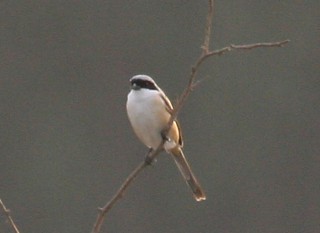
Author Archives: admin

Spain Andalucia 16th to 21st of September 2008

Spain Andalucia from 16th to 21st of September

And we go again

On the 16th of September: We had just last day came from Madeira, when we packed all new clothes to our luggage and drove back to Helsinki-Vantaa airport with our car that had been fixed during the last week. Our SAS plane left to Copenhagen at 12.50 p.m.

At 1.30 we landed to Copenhagen where we spent a couple of hours while waiting our Iberia flight to Malaga. The airport was surprisingly big and also cheap so the time ran fast.

We had already started to wonder why our next flight was taking so long when we surprisingly landed to Madrid instead of Malaga. Nobody had told anything about the stop in Madrid and the English call came when most of the Spanish were already leaving the plane – it told that we should go to the airport and find our next flight as soon as possible. Iberia always surprises!

In Madrid airport we met Jaakko Paju who was representing BirdLife Finland in this trip where we had been invited. After an hour at 8 p.m. started the boarding to Malaga so we were once again pretty much late. So I sent an sms to our contact person in Malaga that they’d know when to pick us up from the airport.
In Malaga we found our luggage easily and soon we met Mike Lockwood, a British living in Girona – he was our English speaking guide during the next 4 days tour in Andalucia. After we had found also a Belgian participant Sophie we were ready to carry our luggage to a small bus and start our way to Ronda.
During the 1.5 hours drive to Ronda we saw a Barn Owl crossing the road and finally about at midnight we were in our Hotel San Gabriel, where the rest of the participants had already had lunch and were already sleeping in their rooms. Luckily we had also something to eat in our room and soon we were able to go to sleep.

To the mountains

On the 17th of September we woke up before 7 a.m. and at 7 we had all the birding equipment ready and went to have a breakfast. There we met the rest of our group invited to this bird tour in Andalucia. There were participants from 10 different countries: Finland, Sweden, Norway, Belgium, Nederland, Germany, France, Britain, Ireland and of course Spain. Most of the participants were leaders of bird tours but there were also some journalists. Only familiar face was Swedish Christian Cederroth, whom I’ve met on my previous trip to Andalucia Donana when I was participating to the first international congress of bird-watching in Andalucia 1.5 years earlier. Mike introduced the rest of the tour-leaders of this trip Lola Crespo and Sergio Gonzales.

At 7.45 we packed all luggages to 2 similar buses and started our first birding near Ronda. After some driving we met our guides of the day from Ornironda and followed them to Cueva del Gato limestone-ridge, where a river was coming out underneath the ridge. There were lots of birds around: the bushes were full of Corn Buntings, Spottles Starlings were flying around, Cettis Warblers were singing, Robin was calling… I put my scope ready and started to watch to the top of the mountain ridge and the first bird I found was a Black Wheatear! Only Hanna managed to see the bird briefly before it dropped down and we could find only some Blue Rock Thrushes and Alpine Accentors anymore. Also the first mammals – Spanish Ibexes were seen.

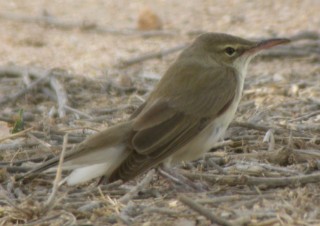
We walked down to the riverside where we found Grey Wagtals, Dippers, Chiffchaffs, a Garden Warbler, a Blackcap and a Sardinian Warbler and soon Christian found a warbler from the closest bush and after some work we managed to identify it as a Western Olivaceous Warbler!

After some hundreds of metres walk we headed to a cave where we were told that plenty of different bat-species were living, but there were also birds around. Crag Martins and Alpine Swifts were flying in and out from the cave and it was nice to hear the Alpine Swift call so well. A couple of migrating flocks of Black Storks were found from the sky where also a Short-toed Eagle, Booted Eagle and an Osprey were found soon. Luckily we found soon also several Black Wheatears from the ridge so everybody now saw this species too.

The schedule was tight so soon we walked back to buses but luckily from the next bushes we managed to find another Western Olivaceous Warbler. This bird we managed to see better. We would have enjoyed staying in this place much further but we continued to Sierra de las Nieves.

We started to climb higher along a bad road between karst-rocky mountains and from the windows we saw some more Black Wheatears, Black Redstarts, Stonechats, Yellow Wagtails, Rock Buntings, some Griffon Vultures and a Common Whitethroat. After all there weren’t many birds in this dry habitat. We walked a kilometer or so in a pasture where were lots of cows, pigs and sheep and saw 2 flocks of Rock Sparrows, some Thekla Larks and lots of Spottles Starling before we arrived to a oak-forest where were totally different birds. Nuthatches, Firecrests, Short-toed Treecreepers and different Tits were calling, an Azure-winged Magpie was also calling somewhere in the forest, some Redstarts, Pied and Spotted Flycatchers, Mistle Thrushes, Tree Pipits, Chaffinches, Wrens and a Sparrowhawk were seen. In a small spring that had been masoned to a drinking place for stock we saw Chiffchaffs, Willow Warblers, Firecrests and a Western Subalpine Warbler coming to drink and also a Cirl Bunting. While we’re already driving back down we found a Southern Grey Shrike perched on the top of a bush.

We continued to the next place where we had lunch in a small hut in the middle of the forest. Then we walked to a strange spruce-forest. Local sausage-dogs were leading us deeper to the forest. Some Common Crossbills were flying over us and we heard a call of a Green Woodpecker that we managed to imitate so well that it came closer and flew several times over us but never landed. A young Golden Eagle was soaring over the mountains but otherwise the place was pretty birdless. Of course the mid-day wasn’t the best time to do birding in a forest. Anyway we spent too much time in this place before we started a long way to our next hotel in Benalup-Cajas Viejas (Cadiz)

We were already badly late when we finally arrived at Benalup. On the way we passed a Medina lagoon that would have been one of the most interesting places to visit during the trip but we had spent so much time in the forests that we had to skip this place. Birds on the way were 3 Black-shouldered Kites, several flocks of Red-legged Partridges, Crested Larks, Cattle and Little Egrets and a Little Owl.

In Benalup we lodged to an extremely elegant Fairplay Golf hotel, where the price of our suite was 720€ without a breakfast! We hadn’t got time to enjoy our luxurious room or even a shower but we had to rush to a lunch to a city to a 1920s stylish restaurant. And as the habit in Spain the lunch was a spectacle that took more than 2 hours. But no nooed to opmplain, the food was excellent! After all we were back in our hotel after midnight.

La Janda

On the 18th of September we woke up later than we had planned but the last day had been very long so we changed the schedule. After the breakfast we met our guides of the day from Ornitour and started our way to Laguna de la Janda fields. Janda had been a huge delta like Donana some tens of years earlier but it had been dried for plantation.

Next 2 hours we were driving in the middle of huge fields without stopping at all. All the birds we saw were possible to identify from the bus: Turtle Doves, a couple of young Bushchat Shrikes, Kestrels and some flocks og Lesser Kestrels which I might have wanted to have a better look.

Finally we stopped to a small pool where we found some waders: Green Sandpipers, Wood Sandpipers, Common Sandpipers, Ringed and Little Ringed Plovers, Black-winged Stilts, a couple of Snipes and Ruffs and a Moorhen. After all the only better bird was an European Red-rumped Swallow that was flying in a flock of Swallows.
Soon we continued to other even bigger fields where we found lots of Pheasants and Red-legged Partridges, White Storks and some Glossy Ibises. A couple of Common Buzzards were soaring on the sky, a Kingfisher flew over the road, Zitting Cisticolas were beeping, a young Night Heron was escaping our bus from the reeds and a Hoopoe from the ground. Somehow Janda was a disappointment as was the quality of the local bird-guides too – again.

Tarifa

At mid-day we continued towards Tarifa. Once we were there we went to a raptor-watching place where we saw only some Honey Buzzards, a Peregrine and a couple of Montagu’s Harriers migrating, a Cormorant and some local Griffon Vultures, Short-toed Eagles and Booted Eagles. Unfortunately the weather was very bad during this 2 hours – it was raining.

Next we continued to the first BirdFair of Tarifa. We met some partners that had made this tour come true and then walked around the main tent. The Fair seemed to be pretty good – there were plenty of people even though it was only the first day! Local companys had really efforted to their offers as they had really good leaflets and lots of other material, but unfortunately everything was only in Spanish. So I coulnd’t find anything to buy. We checked briefly a carcass where an Egyptian Vulture was seen before we had to hurry to eat again. Again we spent a couple of hours eating but luckily the weather was now so bad that there wasn’t really mean to go birding either.

After the lunch we went back to the BirdFair to check another 2 tents but they weren’t that good – there were plenty of empty space in the art-tent, so I decided to go to the shore nearby to do some birding. Some trip-ticks were a Gannet, Auduoin’s Gulls, Whibrels, Kentish Plovers, Sanderlings, Sandwich Terns and so on.
In the evening we had again a longer way to drive to El Rocio Donana. We were there very late at night but again we went to eat for 2 hours before we were able to go to sleep. Luckily the schedule had changed so that now we’d stay in the same Malvasia hotel for 2 nights so we were able to open and unpack our luggage for the firts time during the trip.

19th of September – Donana

Luckily we had now an opportunity to do birding in Donana, where I had been once before but Hanna hadn’t. After the breakfast at 8 a.m. we met our local guides from Donana Nature and I managed to get my old friend Abel as a driver and guide of our 4-wheel drive. I knew he really knows the area well and is a good guide too.

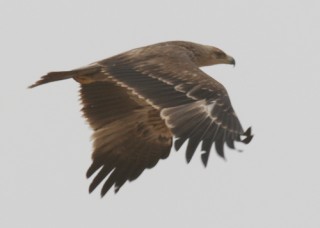
We drove first through the forests where the Iberian Lynxes are living but only mammals we saw were a Red Deer and a flock of small Wild Boars. Several flocks of Azure-winged Magpies were seen before we reached the dry clearing where a Tawny Pipit was seen and Short-toed Eagles and Griffon Vultures were perched on the poles. Some of the vultures were feeding on a dead horse carcass and finally we found an adult Spanish Imperial Eagle perched on the top of one of the poles. Unfortunately the light was very bad so the pictures we got weren’t really good but Hanna and many others got a good lifer! A couple of Hen Harriers, a Western Black-eared Wheatear and some Whinchats were seen before we found another good bird a Little Bustard!

Whole Donana was now extremely dry if comparing to my previous trip in early spring. Even the pool behind the information centre was completely dry. Nearby we found a pool where were lots of Dunlins, Little Stints and Curlew Sandpipers, Greenshanks, Redshanks and Spotted Redshanks and a local rarity a Red-necked Phalarope. Some Little Grebes, a Great White Egret and lots of Flamingos and Spoonbills, Lesser Black-backed Gulls, Common and Sandwich Terns, a flock of Greater Short-toed Larks and a single Mediterranean Short-toed Lark and a Spectacled Warbler were added to our trip-list too.

We stopped to eat to a same hut where I have been 1.5 years earlier too. After the dinner we continued to the only really good waterbird place this time of the year to Dehesa del Abajo. Already on the way we saw a couple of Purple Herons but the lagoon itself was a bird-paradise! There were crazy numbers of birds! Flamingos, White Storks, Spoonbills and Glossy Ibises were in big flocks. With all the common ducks we found 3 Marbled Ducks and 2 Red-crested Pochards, Black Terns were flying around and catching insects and lots of waders were on the shores. We checked all the Coots carefully but couldn’t find any Crested Coots, so soon we continued to the another side of the lagoon where were a couple of bird-hides where to continue birding in a shadow as it was really getting hot – it was 33 degrees now!

From the flocks of waders we found some Turnstones, a flock of Collared Pratincoles, some Bar-tailed and lots of Black-tailed Godwits and some Lapwings. The huge surprise was swimming in a flock of Black-headed Gulls and a Common Gull – a young Sabine’s Gull! Even thought the gull was really far it was easy to identify – a really good lifer! An sms-answer from my Catalan friend Oriol told that the bird had been found already 2 weeks before but we hadn’t heard about it at all.

We were very happy when we drove back to El Rocio where we had finally some free time to take a shower and also go for shopping. We also bought something to drink for the next days birding as we had really suffered dehydration during the trip. We still managed to rest a half an hour before we went to eat again. I had already used to eat different kind of seafood.

The dessert was a birthday cake as our new friend Simon had told someone that he had a birthday so our guides had planned to surprise him. After some celebrating we managed to go to sleep earlier than in previous nights.

Marismas del Odiel

On the 20th of September after the breakfast we drove west through the city of Huelva and close to Portugal border to Marismas del Odiel pools, where we were just right on the high tide so the pools were full of waders. Our local guide was trying his best to show us some birds but as it was already our last birding-day we had already seen almost all the species many times. Caspian Terns, Slender-billed Gulls, a couple of Pochards, Grey Plovers, some Knots and Curlews, a flock of almost 1000 Avocets and altogether 750 Black-necked Grebes were very good! We spent some time while watching Flamingos, Yellow-legged Gulls and other species and I managed to get some good pictures of Auduoin’s Gulls and together with Christian we managed to read rings of a Lesser Black-backed Gull before we continued to have cold dinner to a parking place of the information centre.

Behind the centre there were a couple of pools that should have had some Crested Coots but we never found one, a couple of Purple Swamphens were nice to see and hear anyway. Black Terns were easy to photograph as they came very close to fly and Christian took many gigas of pictures of gulls!

Quality seawatching

In the afternoon we continued to a long cape of La Cabeza Alta to do seawatching. This couple of hours was really good! Right away we found some 30 Mediterranean Gulls, Gannets were fishing on the sea and some Cory’s Shearwaters were found immediately. Soon we found also some European Stom-Petrels and after some time we had found at least 40 of them! 3 Balearic Shearwaters, a couple of Arctic Skuas, a Pomarine Skua, a Great Skua and a couple of Gull-billed Terns were seen too!
We were more than happy after the quality-seawatching when we continued to Sevilla. At 9 p.m. we were having our last lunch in our good hotel and finally we had also something else than seafood. We were chatting with our new friends for a long time before we had to go to sleep because of we had an early plain to catch.

Back home

On the 21st of September we woke up at 4.30 a.m and after 15 minutes we and the rest of the Nordic people – Jaakko, Christian and Stejn who flew back to Norway via Barcelona, were on our way to the airport. Christian and some others had been in Sevilla city at night so it was amazing to see that Christian wasn’t sleeping at all but he started to do his work right away we were in the airport and he continued again in Madrid where we had 3 hours wait for our flight to Copenhagen.

In Copenhagen Christian continued to Sweden by train but we had more than 4 hours wait for our flight to Helsinki. Finally we were back in Helsinki at 10 p.m.
From Helsinki we drove straight to Parikkala and we were at home at 3 a.m. After some hours sleep I had to go to work…

Summary:

During this bird-trip in Andalucia we saw about 190 bird-species, that nobody could see all, as there were altogether 29 participants in this tour. All longer drives were made by 2 buses and in Donana we were having four 4-wheel drives.

All the birding places in Andalucia are excellent but they are surprisingly far from each others. Many different kind of biotops are found so the numbers of bird-species are really huge! I am sure that it is easy to make a week bird-tour and see much more than 200 species – I am pretty sure that our company Ornio will make it soon in the future.

Big thanks to all the people that made this trip come true: Maialen Gutiérrez Garcia from Spanish Tourist Office, Lola Crespo, Mike Lockwood and Sergio Gonzales from Plegadis and of course all the other participants of the tour!

J.A.

Madeira 8th to 15th of September 2008

Madeira 8th to 15th of September 2008

8th of September

The trip started when my father drove us to Helsinki airport and after some waiting our Finnair holiday-flight to Madeira left at 10 a.m. A long almost 6 hours flight showed that Finnish people can behave. The service was really good and finally at 2 p.m. we landed to Funchal.

We found our luggage soon and we continued to the hall where we should find an AutoEuropre officer with our name on plate as we had rent a car. But we couldn’t find anyone. After a half an hour waiting we called to the office and they promised to come to pick us up to their office. Another half an hour and nothing happened so we called again, and then one more hour and we called once again and I was already very angry! Finally after more than 2 hours waiting somebody came to pick us up and we continued to Santa Cruz to AutoEurope office where we still had to wait for a half an hour before we finally got our Toyota Yaris. We left as soon as possible and drove directly to Funchal. On the way we had the first tripticks Feral Pigeons, Kestrels and a Hobby.

We drove directly to Funchal harbour where it wasn’t very easy to find a parking place but after some waiting we managed to get our car just next to harbour. Soon we were looking at Yellow-legged Gulls (atlantis), some Lesser Black-backed Gulls and Common Terns. Even though the variation of the plumage of Common Terns was huge we couldn’t find anything like Roseate Terns. Some Canarys were calling, Plain Swifts were flying high on the sky, a couple of Grey Wagtails were passing by and on the big jetty there were some Turnstones.

We went to eat to the restaurant near the harbour and we had excellent pepper steaks! So finally we started to feel like on holiday, I had been so angry because of the AutoEurope. I called to Hugo Romano (MadeiraWind) as we had planned to go to try to see and hear Zino’s Petrels but the weather was too windy and rainy so we decided to try some other night. Because we had organized a trip to Desertas for the next 1.5 days with Ventura do Mar we called to Catarina Alves who also told us a hotel in Funchal where to stay. We had to wait for a half an hour to get a taxi to Residencial Gordon (room was 50 €). Of course this taxi drove us to a wrong place (even though we had written the name of the hotel and the street to a paper) and we had to walk with our luggage to the hotel.

Soon we went to have a short walk in St Catarina park where we saw some Canarys, Plain Swifts and some Blackbirds. When we were back on the hotel I realized that we could drive to Ponto do Garajau where should be a colony of Cory’s Shearwaters and a possibility to hear Madeiran Storm Petrels. So we walked to our car that we had left to the park in harbour. Somehow the engine wasn’t starting easily but soon we were in Ponta do Garajau.

First we walked to a big Jesus-statue and then continued down to a rock but we couldn’t find anything. Several young romantic couples were disturbing our birding so we decided to drive down very steep and curvy road to a restaurant where we found beautiful cliffs. A Cory’s Shearwater was flying there around but only thing we called was a young Cory’s begging call – and we heard it only twice. Finally we decided to go back to Funchal but now our car wasn’t starting at all anymore! Finally on about 10th try it worked and we drove back to the harbour where we decided to leave our car as we were anyway leaving to Desertas from the harbour at next morning. It was already 1 a.m. when we finally went to sleep.

To Desertas

On the 9th of September we woke up before 8 a.m., had a breakfast that was offered in a garden of the hotel, where we saw the 1st Blackcap of the trip and then we took a taxi down to the harbour. We left our luggage in to our car and called to the AutoEurope once again and solved what was wrong with our car. It was a surprise for us that when starting the engine of Toyota Yaris also the brake must be pushed very hard! I was very angry once again to AutoEurope that they never told this when we rent the car! I’ll never use AutoEurope again!

We walked to the harbour where we found the Ventura do Mar office, we paid 140€ per person for our 1,5 days trip to Desertas and walked to our boat. (Normally the price of this trip is 120@ but we had found only 7 participans and normal minimum is 8.). We met the crew marine-biologist Luis Diasin and Marco Gamelas and soon German Ingo Weiss and Marcus Römhild, Hungarian couple Istvan Katona and Gabi Katona-Urban and a Swedish whose name we never asked came too. I had done a big work to find all the participants to join us to Desertas which we hoped to be the highlight of our trip. Big thanks to Niklas Holmstöm whose excellent internet sites helped me to contact to Germans and Hungarians and to Ventura do Mar that found the Swedish and organized everything.

I had really hoped this trip come true. I had been envious to the recording that Jarmo Pirhonen had managed to get of Cory’s Shearwater previous autumn and he had also heard several Madeiran Storm Petrels. Of course on the way to island all groups had seen lots of different seabirds and also other animals.

At 10.30 a.m. we left toward the Desertas. In the harbour a couple of Sanderlings passed us and on the jetty there were a couple of Kentish Plovers and a Ringed Plover with Turnstones. Soon we were at sea and found first Cory’s Shearwaters. I was a pleasure to watch these big seabirds becouse of the wind wasn’t too strong.
Soon Luis found whales and we joined a couple of whale-watching boats and went to photograph amazing flock of Bryde’s Whales! These whales let us go very close but always when they dived we lost them for some time and found them in some other direction than we’d thought. We were following these whales for some time and then continued towards the open sea.

Soon I found the first black long-winged and tailed shearwater – a Bulwer’s Petrel! The first lifer! The bird was flying in between the waves so it disappeared behind them and then rose back towards the sky surprisingly far again. It was really flying fast. Soon we found more Bulwer’s Petrels and we realized how difficult it was to follow their flight because of when they were behind the waves they often turned and flew to opposite direction until they turned again. Cory’s Shearwaters were now everywhere and the closest ones were coming very close to us. Some flocks were swimming and we tried to go slowly very close to photograph these amazing birds. Always they left when we were on 15 to 20 metres and landed again a little bit further. Our skippers were absolutely skilful and they really knew what we wanted! We had to just point the direction od only look to one direction a little bit longer with binoculars and we were heading towards the birds.

In the mid-way there wasn’t that many birds but soon we found the first Fea’s Petrel (actually these birds will soon be Desertas Petrels). These birds were flying uniquely, even more up and down than other seabirds. Also a couple of flocks of Manx’s Shearwaters were migrating fast on the sea.

In the afternoon we landed to Grande Desertas for an hour. There was only a small flat area where we were aloud to go. There was also the scientist’s house. Luckily we found a couple of young Bulwer’s Petrels that were still on their nests. On of these was just in the middle of 2 rocks so we could take some pictures. We also found some Berthelot’s Pipits and Yellow-legged Gulls were calling from the steep cliffs where they were breeding. Otherwise there wasn’t much to see so we went to seawatch with Germans.

In the evening we went close to island of Bugio where we found big flocks of Cory’s and some Bulwer’s and Desertas Petrels. We managed to get some pictures of also these species; there was even a flock with 3 different species swimming – 1 bird of each species.

During the day at sea we had seen hundreds of Cory’s, 50 Manx’s, 30 Bulwer’s and 15 Desertas Petrels.

The night on the boat

We parked our boat close to the house under the steep cliffs of Deserta Grande. While we were having a dinner the sun set and it came dark. We were very excited as we started to wait for the seabirds to come to their colonies.

After a couple of hours we haven’t heard anything but then a Cory’s Shearwater flew over us and shouted its nasal call just above our heads. But then it was quiet again. After a long wait we heard a Madeiran Storm Petrel calling a couple of times – the call was typical for summer breeding form. But then again it was absolutely quiet, only the hard wind made the waves hit to the cliffs very noisy. Finally we were too tired to continue and fell asleep.

During the night we woke up several times when some Cory’s were calling briefly while they arrived from the sea but mostly the calls were weak behind the wind and waves. Anyway in almost full moon light we could see these birds flying over us. It was amazing even though we had expected to hear much more birds.

And back to sea

On the morning of 10th of September we woke up a couple of hours before the sunrise but nothing was calling. Soon the gulls started to call and fly around the night was over.

After the breakfast we went close to Bugio again and found big flocks of Cory’s but only a couple of Bulwer’s and Desertas Petrels. The way back to Funchal was after all better: a couple of flocks of Atlantic Spotted Dolphins came to swim and jump in front of our boat. These funny animals were photographed even more than Cory’s that were again everywhere. We also found a flock of Pilot Whales and we managed to get good pictures of them again. We were already pretty close to Funchal when we found a couple of Desertas Petrels swimming and finally we managed to get pretty good pictures of this species too.

Very close to the harbour we found an Arctic Skua swimming and in the harbour we saw a Little Egret. Soon we parked our boat and it was good to have a stable ground under our feet again. We met Catarina briefly but soon we were on our way to Porto Moniz!

Through the island to west

On the way toward the western Madeira we found a big flock of Plain Swifts and just a few kilometres before Porto Moniz we stopped at Ribeira de Janela river-mouth where a Green-winged Teal male was found with a flock of feral ducks. We were photographing this small duck lifer for some time before we headed to Porto Moniz. We found our hotel Residencial Calhau easily (35€ per night for a double). We managed to get one of the rooms we had tried (the rooms 1 to 4 are the best) from the second floor and with a big balcony. From these balconies there was a perfect view over the rocky natural swimming pools to the sea and this sea is one of the best seawatching places in whole Western Palearctic!

At 4.30 p.m. we started seawatching and saw altogether 548 Manx’s Shearwaters migrating to west, 15 Bulwer’s Petrels, a Desertas/Zino’s Petrel and 7 Arctic Skuas that were flying either west or east much less straight than Manx’s Shearwaters, sometimes they even landed to the sea. We also saw a Whimbrel, a Sanderling and a Turnstone. Some of these waders were on the pools which were full of swimmers. Unfortunately the heavy Southern wind seemed to push all the birds pretty far to the sea. It has also stopped the migration of all other species than Manx Shearwaters as the Germans (that were having their last seawatch-evening on their balcony) had seen lots of Terns, more skuas and tens of Great Shearwaters and also 10 times more Manx’s Shearwaters.

In the evening we went to eat with the Germans and also to try to find Storm Petrels in Ribeira de Janela as I had got information from a Swedish birder that had seen and heard them a week before. But only birds that were calling back to our tape were a family of Barn Owls. It was again late when we went to sleep.

To find endemics

On the 11th of September we woke up a couple of hours before the sunrise and left towards the centre of the island to Rabacal and Risco levada. After some up to mountain roads we climbed to a foggy cloud. And after that we were driving only 40 km/h until the Paul da Serra where we realized we had missed Risco parking place for some time ago. The fog was so deep that we could see only some 20 metres. Once there was a cow sleeping in the middle of the road and we really had to break not to hit it.

When we parked to Risco the fog started to move but when we started to walk down to levada at 8.30 a.m. thee wind started to blow very strong. Luckily the mountains gave us some shelter so in Ribeira de Janela valley we could observe birds pretty well. Right away we found several Madeira Firecrests and after 5 minutes walking we found the first flock of Trocaz Pigeons that were drinking on a small waterfall. Also several Madeira Chaffinches were calling here and there.

We were walking down for an hour and found much more Madeira Firecrests and finally we headed to a high waterfall. There we found many Trocaz Pigeons, some of them were calling very low. Altogether we saw about 30 Trocaz Pigeons and some of them were close enough for digiscoping.

On the walk back up to our car the clouds had got thinner but it was still very bad light for photographing. Luckily the Madeiran Firecrests were so easy to get close by hissing that Hanna managed to get some good pictures. Tourists had also woken up and came to walk to this levada and a couple of hundred of Central-European tourists was now walking towards us. Luckily we had been there so early! Walking up was of course slowly and finally we were back to our car at 11.30 a.m. On the way we had seen also more Madeira Chaffinches, some Robins and a Sparrowhawk.

We continued to the westernmost point of Madeira to Ponta do Pargo, where the wind was now very stormy. On the way to Farol lighthouse we saw lots of Goldfinches and Canaries and some Linnets. On the lighthouse we were watching the stunning views and then walked to the meadows where we found 2 big flocks of Red-legged Partridges – about 50 birds. Other birds there were a leucorhoa Northern Wheatear and 2 Spectacled Warblers. The wind was so strong that it was difficult to stand so we left pretty soon. On the way back we still saw a flock of Rock Sparrows flying and some Common Buzzards and Kestrels.

We drove back to Porto Santo where we were in our hotel at 2 p.m. An hour later we started seawatching again but after a half an hour it started to rain. So we went to have a lunch.

The rain stopped finally and from 6.30 to 8.30 p.m. we were seawatching again from our balcony. We had missed the best migration that had gone right after the rain, but we also managed to see some good quality birds! We counted 222 Manx’s, 22 Great, 3 Bulwer’s and 2 Sooty Shearwaters, 1 Desertas/Zino’s Petrel, 4 Arctic Skuas and a Whimbrel.

Too much wind!

On the 12th of September we woke up at 6.45 a.m. and we had no plans for the day. The weather was till horrible. We planned to go first up from Ribeira de Janela to a starting point of a levada where was good place for Trocaz Pigeons. On the way we saw many Blackbirds on the road but also a Woodcock. When we reached the place we realized it was far too windy, so after we had seen a Trocaz Pigeon we drove back down to Ribeira de Janela and started to check all the terns we found. We stopped also at Seixal and Sao Vicente but found only Common Terns, Turnstones and a Grey Heron. A little bit east from Sao Vicente we saw a flock of 6 Trocaz Pigeons from the main-road. But nothing else was found so we drove to photograph the Green-winged Teal.

At 10 a.m. we drove back to Porto Santo. The harbour had plenty of Common Terns and a weak Manx’s Shearwater was swimming on the shore. The gulls were just waiting for to get it as a breakfast. Soon we went to our hotel where the pools were closed as the waves were hitting almost to the walls of the hotel.

We did seawatching from 10.30 to 12.00 a.m. but didn’t see much: 94 Manx’s and 1 Great Shearwater and now maybe some hundreds of Cory’s Shearwater than earlier – maybe close to a thousand birds.

After a short walk on the village we went to photograph the Common Terns that were in so many different plumages than in Finland. Then from 1.30 to 2.30 we seawatched again, but only 47 Manx’s and 1 Great Shearwater and a Grey Heron were seen. From 3.45 to 7.45 we saw 313 Manx’s, 3 Bulwer’s and 1 Great Shearwater, 2 Desertas/Zino’s Petrels, a Pomarine Skua and some waders.

In the evening we went to eat together with Istvan and Gabi to a restaurant nearby.

Again more seawatching

On the 13th of September the weather was still stormy. We decided to do seawatching as much as was possible. We started at 8 a.m. but it was very quiet. During the first hour we saw 34 Manx’s, then second 43 and third 47 – so altogether 124 Manx’s Shearwaters in 3 hours. A beautiful young Gannet passed us very close over the rocky shore and also 4 Bulwer’s Petrels and 2 Arctic Skuas were seen.

As it was so quiet we went to a Aquarium nearby and then do some shopping. Then we drove to Sao Vicente and checked again all the terns on the way back to Porto Santo. Luckily the storm wasn’t that bad anymore so the view-roads were finally open and cleaned from the stones that had dropped down on the storm.
In Porto Moniz we finally med my old friends from MadeiraWind Hugo Romano and Catarina Fagundes, that I had met in Andalucia 1,5 years before. We went to check a small water-reservoir a little bit up from Porto Moniz but all we saw were a couple of Grey Wagtails and a Trocaz Pigeon.
Hugo and Catarina continued to Ponta do Pargo and we went to Porto Moniz for an evening seawatch. From 5.00 to 8.00 p.m. we saw 230 Manx’s and 2 Bulwer’s Petrel, an Arctic Skua, a Great Skua, a good looking candidate for a Zino’s Petrel and finally a Little Shearwater!

In the evening we went to eat to the same good restaurant and after that we packed our luggage.

To the Eastern part

On the 14th of September we woke up already at 5.30 a.m. packed our car and drove to Ribeira de Janela to try to hear Storm Petrels. The weather was really good now, the moon was almost full and Barn Owls were calling again. Down on the river-mouth we managed to hear a Storm Petrel calling but only once but nothing else was heard.

We got gas in Sao Vicente and bought good breakfast from pastellaria and drove through the island to Ribeira Brava. After some driving west we found Lugar de Baixo pool where were a Little Egret, a couple of Ringed Plovers, 5 Moorhens and 12 Coots. After some searching also a flock of 20 Waxbills were found from the reeds.
In Funchal harbour we had again same gulls and Common Terns, so soon we headed to East. We decided to drive straight to the easternmost point to Ponta do Sao Laurenco, where we walked for 3 hours in levada that was in beautiful landscape. The wind was getting stronger again but Berthelot’s Pipits, Canaries and Rock sparrows were found easily. There was eve a pool for birds where Canaries were easy to photograph.

During the midday we headed to Canical harbour where in a huge flock of Yellow-legged Gull there were 2 Black-headed Gulls. Also a big flock of Common Terns were flying close to the jetty and we found also a young Arctic Tern that was really difficult to identify for 100% sure. So we took lots of pictures and the bird was identified at home later. From a reed-bed nearby we found some Spanish Sparrows too. Next we continued to Machico, but this place seemed to be so boring that we didn’t get up from the car at all. Maybe we couldn’t find the right place or then the river was just drier than normally?

In the afternoon we continued to North to Porto da Cruz for a short seawatch. The place was close to amazing high cliffs but there was really nothing on the sea. Of course some Cory’s Shearwaters but in almost 2 hours we saw only 7 Manx’s Shearwaters and 2 Grey Herons. So we decided to drive through the island once more but now along small curvy roads through the mountain-forests. The village Santo da Serra was absolutely full of cars and people so we were in a middle of a traffic jam. Somehow we managed to get through the village and getting down towards Funchal was again easier.

After all we drove until Ponta do Garajau where we had pizza and then went to a parking place near the Jesus-statue to rest. We tried to sleep in a car but it was too hot now. A couple of Pallid Swits were seen with several Plain Swifts. Anyway we spent an hour or 2 while waiting for the evening.

Finally to a Zino’s trips

At 9 p.m.we had arranged a meeting with Hugo and Catarina. Soon we were driving towards the highest peaks of Madeira to Pico de Arieiro. We left our car to a parking place of a restaurant in Poiso and continued by the Transit of MadeiraWind towards the 1800 metres high mountains. At 10 p.m. we started to walk towards the only breeding place of Zino’s Petrel. We were wearing all clothes we had with us but the flashlights weren’t needed, the moon was so bright. The wind was again very strong but only occasionally, but there were also calm moments. We knew we were also too late for the season for the Zino’s as they usually stop calling in the end of July. So we weren’t very optimistic, we also knew that a couple of groups had been there without any records.

About 10.30 p.m. we had walked to the cliffs where Catarina told we should watch straight down where it could be possible to see these amazing seabirds. There was only small wire-fence where to hold on while watching down. The cliff was so steep that I almost felt sick, but we had to start watching down – it was our last change to see Zino’s Petrels. All 80 to 100 pairs of Zino’s Petrels of the World were breeding here on the top of the highest peaks of Madeira!

First we couldn’t see or hear anything else than the wind blowing. Then a Barn Owl was calling somewhere – what a strange place for a Barn Owl! But then after a half an hour we first heard a couple of times wing-beats of a bird passing us very close, then we heard a couple of high cvik calls and then finally a long call of a Zino’s Petrel! We also managed to see one bird flying down in the cliffs on the moonlight and then we saw a couple of times either a bird or its shadow against the wall. Then after another half an hour it was quiet again even though we were watching up and down while our eyes were watering both because of the wind and a lifer! We had some hot tea and still tried to see something more for an hour. It was really cold so we gave up pretty soon and walked back to the parking place. After all we were back to our car at 1 a.m. there we said goodbye for Hugo and Catarina and went to sleep to our car.

Some relaxing on the last day

On the 15th of September we woke up at 7.30 a.m. and drove back to Pico de Arieiro to photograph the mountain views. From the hotel we could see what did the Zino’s Petrels breeding grounds looked like. Then we drove to see Ribeiro Frios forest-hills.

At 9 a.m. we were again in Funchal where we went to Jardim orchids, where we were for an hour before we continued to Jardim botanic where we spent an hour while watching plants and parrots and eating some snacks. On the parking place we packed our luggage and soon continued to the parking place where we left our car to a parking place with the keys inside. We had after all driven for 556 kilometres around this small island of Madeira. At 2.25 our flight left to Helsinki.
A boring flight was over at 10.00 p.m. and my father picked us up and we drove to Kirkkonummi to eat and sleep. On the next day we were going to Spain Andalucia…

Afterwords:

During this week in Madeira we saw altogether 54 bird-species. Our main target was to do seawatching and of course to see all the endemic species of Madeira. We didn’t really concentrate to find any American or European vagrants. Anyway we tried to visit all the best birding places and check them carefully. Unfortunately the weather wasn’t good this week, the hard Southern wind stopped most of the migration and pushed the movements of seabirds far from the Porto Moniz coast. Altogether we seawatched for 21 hours, a couple of rainy days dropped the hours a little bit. Luckily we managed to find all our target species, we knew it was a little bit too late for Roseate Terns, Storm Petrels were even more difficult than we had thought, luckily a Madeiran Storm Petrel was heard. A possible new species Grant’s Storm Petrel wasn’t heard or at least identified but luckily we still managed to see and hear Zino’s Petrels outside the season. Other endemics Trocaz Pigeon, Madeiran Firecrest and Macaronesian endemics that were already familiar from Canary Plain Swift, Berthelot’s Pipit and Canary were very easy birds to find. This time of the year it is a peak of Manx’s Shearwater migration and they can be seen almost in any time of the day but the evening seems to be the best time. Great Shearwaters can be seen in big numbers too but their movements are impossible to guess, but this time is the best possibility. Desertas Petrels are easy to see on the sea but some can be seen regularly from Porto Moniz – but positive identification is difficult from the land. Little Shearwater, Sooty Shearwater, Gannet and Skuas are then the gems for seawatcher.

Big thanks to Madeira Wind – Hugo and Catarina, Ventura do Mar – Catarina, Luis and Marco also Niklas Holmström, whose good internet-sites helped us to find participants to join us to Desertas and Jarmo Pirhonen and Sampsa Cairenius, who gave me good tips here in Finland. Of course big thanks to Ingo, Marcus, Istvan and Gabi who were really good company while birding.

J.A.

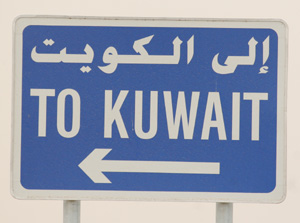
Kuwait 3th to 13th of April 2008

Kuwait – 3rd to 13th of April

3.4. The story begins

We’re driving in a morning traffic from Kirkkonummi to Helsinki-Vantaa airport when I received a call. The rest of our group, Janne Kilpimaa, Petri Kuhno, Tero Linjama and Tero Toivanen, were already at the airport and they had found out that our flight to Frankfurt had been cancelled! Finally we managed to get to the airport too and luckily we had got new flights so we’re now going to fly first to Stockholm, then to Istanbul and then finally to Kuwait city.

So we had a little bit longer time to wait for our first flight and we decided to go to eat to a restaurant. At 1 p.m. our plane left to Stockholm where we were an hour later. Surprisingly we had a lunch also in this flight and at 2.10 p.m. we had the next flight to Istanbul and we ate again…

The Turkish Airlines plane was extremely hot but finally at 6.35 p.m. we landed. The only birds we saw I the last light were Yellow-legged Gulls, Cormorants, Magpies and Hooded Crows.

At 9.45 p.m. took off our last flight to Kuwait city. Also this flight was sweaty but once again we had good dinner so at least we weren’t hungry.

The 4th of April. To Kuwait

Finally at 1.15 a.m. we landed to Kuwait city! Right away we went to get some local money. Then we managed to find a place to get visas and after finding our luggage we went to Trifty office to get our rental cars that we had already booked by internet. We had two really good Mitzubishi Pajeros and I took the wheel of another car and Janne Kilpimaa and Petri Kuhno also had international driving licenses and they were the drivers of the another car. Tero Linjama had also recording equipments so he came to our car with me and Hanna.

Tertsi (Toivanen) was reading the maps and soon we hit the road. It was good to have the first touch to local driving at night, there weren’t too much traffic so we managed to find to Salmiya and our hotel Arinza tower easily.

Even though we had booked two rooms by internet we were offered only one room which wasn’t enough for 6 of us, the rooms were for 4 persons. But after complaining we got to rooms which were unfortunately in different floors. Anyway we’re just so tired that we wanted to go to sleep. In both apartments there were 2 rooms, so we had plenty of space. After all we went to sleep at 4 a.m.

The first day – tough birding

Sulaibikhat

After one and a half of an hour at 5.30 a.m. we woke up and soon we were driving towards Sulaibikhat – a place where a Long-tailed Shrike has been wintering for two winters. Last month the bird had been extremely difficult to find and a year before the last observation had been just on these days.

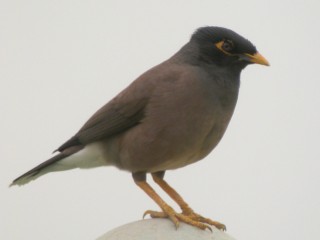
On the way we got the first lifers and wp-ticks when we saw some Common Mynahs and White-cheeked Bulbuls. But it was impossible to concentrate on birds because of the terrific traffic! We passed a couple of traffic-accidents and on the 4-line road the cars were driving really fast! Some of the sportiest cars passed us more than 200 km/h. And on the outermost line the trucks and buses were driving really slowly.

We arrived at Sulaibikhat at 6.20 a.m. and soon we met Pekka Fågel, a Finnish birder who had been living in Kuwait for 2 and a half years in two periods. Tertsi had been in contact with Pekka many times and they has arranged almost everything ready and Pekka would be birding with us on local weekends which means Friday and Saturday. Brian Foster was with Pekka and soon another 4-wheel drive parked next to us and we met a British group that Brian was going to guide. Surprisingly most of the group was the same than had been in same time in Turkey than rest of our group.

Then we continued inside the fenced birding area. This was one of the many birding places where was impossible to get without the help from local birders. Right away we saw a couple of Isabelline Shrikes, Bee-eaters, Swifts, Delicate Prinias, Eastern Black-eared Wheatears and Pied Wheatears.

The Long-tailed Shrike wasn’t found easily so we spread and kept on searching carefully around the whole area. Soon the Brits found a flock of 6 Grey Hypocolius and a little bit later even better bird a Common Babbler! This was the second observation in the area and also in a whole country outside Abdaly Farms! But the shrike wasn’t found so soon we decided to continue to Jahra east outfall. Brian and the Brits continued somewhere else.

Jahra east outfall

Jahra east outfall was an amazing good looking reed bed area with a sewage-water canal and the shore was muddy because of the tides. On the canal there was a place where several crakes had been discovered recently and the reed bed was full of warblers and the shore full of waders and sandy areas full of pipits and Yellow Wagtails. We found some Spotted, Little and Baillion’s Crakes, Great Reed, Reed, Clamorous, Sedge, Moustached and Savi’s Warblers and much more, but we couldn’t find any Basra Reed Warblers yet. Other nice birds were 100 Flamingos, a couple of Bluethroats and a Little Bittern.

Doha

Next we continued to Doha which is a great place to watch waders – at least on high tide. On the way we saw a Long-legged Buzzard. In Doha we saw lots of waders but it was a low tide and the light and haze were really bad. We saw a nice flock of 60 Crab Plovers, managed to identify a huge flock of 300 Lesser Sand Plovers. Also 30 Terek Sandpipers and 200 Bar-tailed Godwits were counted from the big flocks. Other nice birds were 80 Lesser Crested Terns, a Caspian Gull, some Heuglin’s and Steppe Gulls, 4 Garganeys and 2 Teals and so on.

Soon we drove to Doha South pools where we easily found some Grey-headed Swamp-hens, Coots and a Little Grebe. Also Steppe Grey Shrike was nice to see.

SAANR Talha

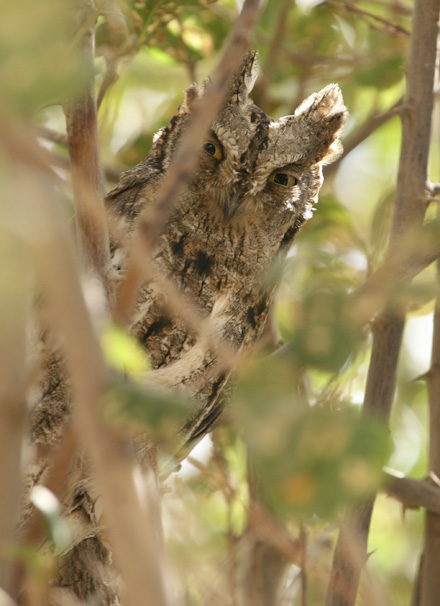
When the day was its hottest we drove to Saba Al Ahmad Nature Reserve (SAANR). Again Pekka helped us to get in from the gates and we were told that we were able to get in also later once the guards knew us. But this was possible only in current situation it is not guaranteed that this or any other of these closed places stays open for birders. Soon we were stopping in a desert in hope to find some desert species. We found some Bar-tailed Desert Larks and a nice Hoopoe Lark. Soon we parked in a beautiful oasis. Talha was an oasis with a pool and some hectares of trees in the middle of the desert, so it was a real magnet for the migrants and also many desert species came to drink from the pool. And even now in mid-day the trees were full of passerines and in the pool there were some waders and even a Spotted Crake. We met the Brits again and they had found 2 Scops Owls sleeping in a dense tree. But soon Kilpimaa found a much better bird – a Basra Reed Warbler was jumping on the sandy ground and it was easy to study and also photograph. Other nice observations were some White-throated Robins and Rufous-tailed Bush Robins, a Booted and a Short-toed Eagle, a Masked Shrike and so on.

Jahra farms

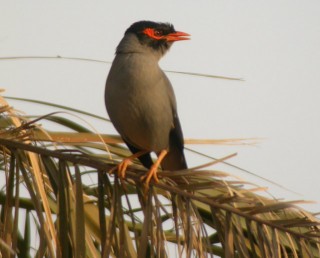
In the afternoon we headed to Jahra farms where we found the famous Bank Mynahs already on the parking place. Soon I saw briefly a Semi-collared Flycatcher and from the farm we found some Rosy-ringed Parakeets, a White-breasted Kingfisher, a Song Thrush and so on.
Once we had managed to get away from the jammed and dangerous traffic back to the hotel we’re so tired that we went to sleep right away at 9 p.m. We had seen altogether 124 species during the day which we later heard was the new record for Kuwait – and we hadn’t really tried (but the recent records were made by using bird race rules). I had already got amazing 9 wp-ticks!

The 5th of April – To new places with Pekka

In the morning we started again in Sulaibikhat, where we were already at 6.10 a.m. Again we failed to find a Long-tailed Shrike, but other good birds were seen, the best one was a Desert Wheatear.

Pivot fields

Soon we continued to Pivot fields, one more place that is impossible to get in before you have been there with a local birder. And if you manage to get in you must know that it is aloud to stay there only between 8 and 12 a.m. The fields are really good for birds: Swallows, both Bee-eaters, lots of wheatears, thousands of House Sparrow and also an Imperial Eagle, 2 Greater Spotted Eagles, 40 Namaqua Doves and a couple of Quails were found easily. While we’re driving from the drier part to the greener we saw a flock of 5 male Black-crowned Sparrow-Larks. A flock of Lesser Kestrels were soaring on the sky and on the wettest field we found 100 of Cattle Egrets, 12 Starlings, more than hundred of Collared Pratincoles and a couple of Caspian Plovers.

Abdaly farms

At the mid-day we started our way to North and drove more than 100 kilometres to Abdaly farms. The Brits that had come to twitch the Caspian Plovers were again with us. After we had parked to a semi-deserted area with low bushes we started to walk in line and soon found a noisy family of Common Babblers. 5 adult birds were feeding 3 still flightless young birds. After some photographing we continued only a couple of hundreds of metres to the field-area where I managed to find a Red-wattled Lapwing standing on a high sand-dyne. But only Hanna and Linjama managed see the bird before it got scared and flew behind the dynes. Unfortunately we couldn’t go to that place because of there were no access to those farms, so we had to just wait for the bird to come back. But after some waiting Pekka went to see if there was some place where we could see the place behind the dynes and he found it. And again when some of us managed to see now 2 birds they got afraid and flew away, even though we were hundreds of metres from the birds. Still not all of us had seen them! But finally after a half an hour searching we saw 2 birds flying on the sky and we could happily keep on going.

We decided to drive straight back to hotel, where we ordered some food to our rooms and after counting the day’s observations we went to sleep at 10.30 p.m.

The 6th of April – To south

Again we woke up at 5.30 a.m. and hit the road. We headed to SAANR where already at the gate we spotted a nice male Semi-collared Flycatcher. We were walking a bit on the first gorges hoping to find Persian Wheatears but they were already gone but some of us managed to see a flock of Pale Rock Sparrows. Also the first big-eared fox was seen. Close to Talha we saw a couple of and near the pool we saw a flock of 30 Pale Rock Sparrows. Also a couple of Turkmenistan Short-toed Larks, Turtle Doves, a Short-toed Eagle, a beautiful leucocephala Yellow Wagtail and altogether 3 Basra Reed Warblers were found. We managed to record their calls too.

At the mid-day we headed to our hotel where we rested a half an hour before we continued South. At 3.30 p.m. we were in Power plant reeds where we found a couple of Barred Warblers and an Eastern Orphean Warbler. At 4 p.m. we were together with Brits and a new Austrian-German group in a parking place of Ras Al Zur harbour-area. Again we were heading to a place where’d be impossible to pass without a man inside – an American birder Mark O. Chichester was working and living in the area where 150 families were living inside a fenced area. Mark told us the area was a Saudi-Arabian harbour and after some id-checks and instructions we drove to the shoreline.

Ras Al Zur

In the village we saw a female Blue Rock Thrush and right away we have parked to the shore we found a couple of White-cheeked Terns. All the Cormorants were unfortunately common ones and the other terns were just Lesser Crested and Sandwiched Terns. A Hobby was seen too.

We were watching to the sea from a couple of places until the darkness but the first Socotra Cormorants and Bridled Terns for the spring hadn’t arrived yet. So we had to plan to come back again.

After a long drive we were back in the hotel at 9 p.m. We were a little bit disappointed, but we knew we still had plenty of time.

The 7th of April – Now west

We started at traditional time and went first to Jahra east outfall. We had only an hour before we had a meeting with George Gregory and British. Se we spread and some of us went to photograph crakes, some record warblers and Tertsi to scan all the pipits and wagtails. Tertsi was the one to find the best birds when he found and directly identified an Oriental Skylark! The bird was surprisingly easy to identify and it was photographed and even recorded. Also 4 Glossy Ibises were seen before we had to hurry.

Al Abraq

At 8.30 a.m. we had driven 50 kilometres west and we met George and the Brits and then we continued another 40 kilometres to Al Abraq farms to try to find passerines and Shikra etc.

It was a bit too late so there weren’t many birds around but while walking around the farm we found a Red-breasted Flycatcher, 4 Upcher’s Warblers and an Eastern Orphean Warbler.

At mid-day we left and drove across the country to Doha where the tide was now high. So soon we were counting Crab Plovers and all the smaller waders. We could find 10 Greater Sand Plovers from the flock of Lesser Sand Plovers and counted 1000 Dunlins, 25 Broad-billed Sandpipers, 150 Turnstones, 20 Marsh Sandpipers, 600 Curlews, 500 Bar-tailed Godwits, 40 Redshanks and an Avocet. Also a Great Black-headed Gull and a Western Reed Heron were seen.

In the afternoon we went again to outfall where the Brits had found out that there were now 2 Oriental Skylarks. So in the evening we were photographing these Oriental Skylarks, pipits, crakes and warblers. There were also lots of birds on the shoreline so there was easy spend the rest of the evening. The best observation was a female Citrine Wagtail; it was also fun to watch a big rat and a Little Crake fighting.

When we were back in the hotel we went to an Indian restaurant to eat. There we also counted the day’s birds and surprisingly we had seen 128 species – again a new record. We were able to go to sleep at 11 p.m.

The 8th of April – To Green Island and south

Green Island

We were lazy this morning and woke up at 5.30 a.m. and 20 minutes later we were driving towards the Green Island. Surprisingly the Brits were there too and because of they had been there also earlier it was easy to locate the best trees for Grey Hypocolius and Red-vented Bulbuls. The weather was really windy but after 10 minutes we could find the target species. Altogether 4 Red-vented Bulbuls were found, Grey Hypocolius, White-cheeked Bulbul and Common Mynah were more common, also a Semi-collared Flycatcher and some White-throated Robins were found, a flock of 5 Purple Herons were migrating and a flock of 21 Lesser Kestrels were soaring on the sky.

At 10 a.m. we started to drive south again. We picked up Pekka from his home and we saw some Pallid Swifts and a Rock Martin species briefly above his house.
South again

In South we went first to Power plant reeds and then to a couple of other places but nothing special was found, some Rufous-tailed Rock Thrushes, White-throated Robins, Rufous-tailed Scrub Robins, Menestrie’s Warblers and so on. The wind was now really strong so there was lots of sand in the air and the birding became soon impossible. We were thinking if we should go to Ras Al Zur at all but the Brits were going anyway, but luckily we decided to go because of we saw a nice flock of 30 Grey Hypocolius on the way. And so we were again at the gate at 4 p.m.

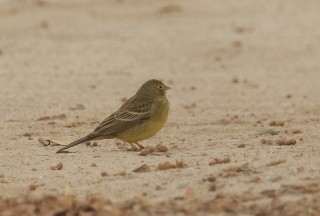
Because of the sandstorm the visibility to the sea was bad so Mark decided that we should go to walk to a semi-deserted area where were lots of bushes to try to find an Egyptian Nightjar or something else. Right away when we were spread and started to walk we flushed a flock of 4 buntings and 2 of them were common Ortolan Buntings but 2 were a pair of Cinereous Buntings! We flushed also a couple of Quails and s flock of Pale Rock Finches before we continued to the shore. The weather was getting better all the time but we saw even much less birds than in our first visit – only 8 Cormorants, some White-cheeked Terns and a Western Reef Heron.
In the afternoon we went again to Power plant reeds but nothing better was found. We were back in the hotel at 9.30 p.m.

9th of April – The day without wp-ticks, but not for all

In the morning we headed to Sabah Al Salem where we tried to find Village and Streaked Weavers. But we could find only some waders and altogether 45 Pied Wheatears. We also went to check another reed bed that we found on the way and while we were walking towards the reeds I found a small pale warbler – an Asian Desert Warbler! The bird was very active but luckily we all managed to see it pretty well – it was a lifer for everyone else than me and Hanna.

We continued once again to Jahra east outfall which was good again! On the way we saw 4 Rollers and 3 Caspian Plovers. On the reeds all the warblers were singing, at least 5 Basra Reed Warblers and 5 more that weren’t singing! Also some Clamorous Reed Warblers were nice to record. The Oriental Skylarks were still there and the shore was full of waders, 2000 Little Stints, also more than 60 Caspian Terns, 38 Little Egrets and from the reeds 12 Purple Herons and 3 Night Herons were flushed. When we were leaving a Bimaculated Lark was found.

Next we drove to Talha again but there weren’t anything new – a flock of 30 Pale Rock Sparrows again. These birds are really shy; they are not coming to drink if there are people moving near the pool.

We drove next to a Sabriya farms where Shikra had been seen earlier but we found only a Scops Owl.

In the afternoon we went to Jahra farms where we had again some Bank Mynahs, a White-breasted Kingfisher, a Semi-collared Flycatcher, lots of Redstarts and an escaper Senegal Parrot.

In the evening we went to a restaurant again, Petri was sick and Kilpimaa too tired to go, it seemed that the drivers were always the most tired because of the crazy traffic!

10th of April – a long day

With Hanna and Linjama we started early. At 3.45 a.m. we headed to Jahra east outfall. We had decided to try to record crakes and Basra Reed Warblers when they are most active. But unfortunately the tide had been so high that it was impossible to get to outfall, the whole sandy area was just mud.

So we decided to drive to Sulaibikhat to try to find the Long-tailed Shrike. We had some problems to wake up the man to open the gate for us, but once we got in we saw amazing 138 migrating Purple Herons, in the biggest flock there were 49 birds. The former day-record in Kuwait had been 22 birds! Also the Common Babbler was found again.

Kabd KISR

Then we had to hurry because of at 7 a.m. we had to be in Kabd Shuwaikhi in KISR (Kuwait Institute for Scientic Research) gate to meet Gary Brown with whom we could go to the research area to see Arabian Larks. We were there a little bit early and after a short discussing with Gary our second car arrived.

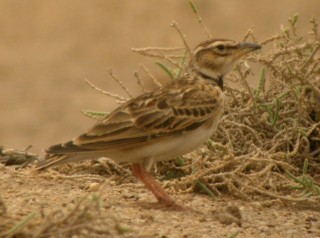
After a short drive we reached the lark biotope and soon we found the first 2 Arabian Larks! We followed Gary and drove along the small sandy roads and saw a couple of Arabian Larks more and the first Black-crowned Sparrow-Larks. Then we still had an hour and a half time to check the areas by ourselves. There was a pool made for the birds where were big flocks of Pale Rock Sparrows and Short-toed Larks but also some Black-crowned Finch-Larks and a couple of Turkmenistan Short-toed Larks coming to drink. But unfortunately we saw only one more Arabian Lark briefly in a big flock of Short-toed Larks so we couldn’t get any pictures of the species.

At 10 a.m. we headed to Pivot fields where we had only one and a half of an hour time to check the places. Lots of Pied and other wheatears and a flock of 129 Collared Pratincoles were seen but nothing really exciting.

Then we continued to Doha South pools where we saw again 4 Grey-headed Swamp-hens and 2 Shovelers with a Wigeon, 3 Crag Martins and a young Night Heron. Doha was also as every time so we continued soon to Doha pools. There we met again some shooters and it was very close that we didn’t get shot. A family, dad with a couple of boys were shooting at waders and when we were on the other side of the poll they started to shoot at exactly those waders that were between us. So we had to escape.

We were to eat to Pizza Hut and that like all the McDonalds and other western “restaurants” had a mosque in the neighbour. It was already getting dark when we drove to Talha where Pekka was already waiting for us. We had planned to try to find an Egyptian Nightjar. When we arrived at Talha Pekka had just photographed a Cinereous Bunting but he had also got news from the Brits – this was the only time during our trip that there were birders in Ras Al Zur but we hadn’t decided to go there because of we had been thinking that it there are now Socotra Cormorants or Bridled Terns they’ll be there also later – but we hadn’t expected that they’ll see a Lesser Frigatebird!

A little bit shocked we walked a little bit in Talha and Petri was the one to find a bird that made at least me and Hanna happy – a male Chestnut-shouldered Petronia, new wp-tick for us who haven’t been in Turkey yet. Soon the Green Toads (frogs) started to call but even though we waited until dark no sandgrouses came to drink at the pool.

Soon we continued to the desert where we stopped a couple of times and played mp3 to attract Egyptian nightjars without success. When we came to the gate Pekka asked if we could get through the gate to the other side of the main road. There we continued to the place where Pekka had found a calling nightjar the year before. When we stopped we could first hear only amazing loud calling insects but behind those there was an Egyptian Nightjar singing! We walked closer with Linjama to record it, but the bird was all the time moving further. Luckily the weather was perfect for recording and we managed to get really good recordings.
We still saw a funny Jerd (jumping rat) and the long day came to its end when we were back in the hotel at 10 p.m. After the shower we were ready to go to sleep. Still we were a little bit disappointed because of the Lesser Frigatebird but at least we knew what to do in the next morning…

The 11th of April – To south again

So we headed south again and drove directly to the southernmost place where it’s possible to watch to the sea to Khiran. Again we met some shooters that were shooting at all flying birds in the middle of the village. We got some dropping shots over us, Tertsi even to his head. But we didn’t let it disturb because of we had a mission going on; we waited for a big black bird to come. We could see many terns moving south and some of them were probably Bridled Terns but they were always too far, so only common species were identified. The funniest bird that we saw was a migrating Nightjar. First we thought it was a sparrowhawk and then some falcon before we realized what it was.

At 9 a.m. we were once again at the gate of Ras Al Zur. Now there were also another British group, Lee Evans with them. The tide was high so there were no sandy islands where we had seen terns before and had hoped a Lesser Frigatebird waiting for us. Luckily we now found several Bridled Terns and some of them came a little bit closer so we could see them pretty well.

Brian spotted an immature Socotra Cormorant too, but it was absolutely too far for us to be sure why it wouldn’t have been just a Cormorant. But it was enough for the Brits and they continued to the other places in the area. At 11 a.m. I found a cormorant flying very light and back-heavily from the sea. It flew far but luckily it seemed to go to one of the poles. It flew over several poles but then decided to land to one of them and luckily there were normal Cormorants already. Now we got a direct comparison and it was easy to judge as a Socotra Cormorant. When we zoomed the bird it was possible to see the white eye-brow too – an adult bird! We called to the Brits to come back but when we saw them running towards us there was a motor-boat that scared all the cormorants away. Only a couple of Brits managed to see the right bird flying away really far. In this situation the Bottle-nosed Dolphins didn’t make anyone very happy.

We still watched an hour to the sea and a flock of 30 Bridled Terns and an Arctic Skua were seen. At 12 a.m. we drove once again to Power plant reeds where were a couple of Basra Reed Warblers singing, a Water Pipit and some White-throated Robins.

The next stop was made in Fahaheel harbour where a couple of White-cheeked Terns were seen. In the park we saw a Rufous-tailed Rock Thrush and a Nightingale but nothing else interesting. Pekka continued home and we continued to Doha once again. We still hadn’t seen any Crested Tern that the rest of us were missing. But there were almost no terns in Doha se pretty soon we gave up and decided to go to the hotel and rest earlier than in any day before.

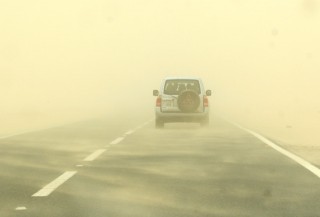
Luckily we had been so tired! When we were at the hotel we realized there was a storm coming. The wind was really storng and the sky was very dark and the clouds were lightening constantly! And when the real storm came it felt like a bomb! The sand came through the windows to our room and soon there was raining hails! But when the hails stopped started a rain that we had never seen before! Also the wind was something crazy the electric poles were bending a lot and we saw flags and even a couple of roofs flying with the wind! We couldn’t imagine how the traffic was? Luckily we weren’t there! When the rain stopped we walked again to the restaurant to eat. There were lots of water even in all shops.

The 12th of April – The last day, but one of the best

On the last day we left again to Al Abraq. We met Pekka about 40 kilometres from the city and continued to the farms. Now there were rally a lot of birds around the farm. The storm had really hit the farm last evening, several trees had fallen or broken.

We also found several Sparrowhawks and finally a bird we had been searching for – a Shikra! We saw it a couple of times with Pekka when we were trying to push it towards the others but it wasn’t that easy. But finally when we had almost lost our hope another young Shikra was seen by those wno hadn’t seen the adult bird.
We moved to check the bushes and a Red-backed Shrike, a couple of Upcher’s Warblers, Barred Warblers, Menestrie’s Warblers, Rufous-tailed Bush Robins, Pallid Warblers, Basra Reed Warblers, White-throated Robins and so on were found. Kilpimaa found a very interesting looking bird that we thought to be a Syke’s Warbler. It was very active but never said anything. We got plenty of pictures of it and thought that the final identification must be done at home from the pictures. (At home the bird was identified not a Syke’s Warbler but some Acrocephalus warbler but no-one seems to know which one!) Very strange bird indeed and I hope the mystery will be solved one day.

When we were leaving the big news came from Sulaibikhat where Brian and Lee had seen the Long-tailed Shrike in the morning – so it was still present! So we drove straight there but we could find only a couple of Grey Hypocolius, a Quail, a Stonechat and White-throated Robins. It was already 5 hours from the observation so we decided to give up but come back once more in the evening, even though nobody had ever seen the bird in the evening.

We continued to Jahra pools where were again 4 Purple Swamp-hens but also 7 Red-necked Phalaropes. In outfall we saw 64 phalaropes more and the skylarks were still there as also 2 Water Pipits and the first Corn Bunting of the trip. In Doha we didn’t see anything new, the best sum were 70 Broad-billed Sandpipers.

In the afternoon we said goodbye and many thanks to Pekka and continued to Sulaibikhat one more time. We had checked again every single part of the area when it happened – first a couple of us saw a long-tailed bird in flight and then Kilpimaa shouted that the Long-tailed Shrike was perched on a branch in front of him! We all went quickly there and luckily managed to see the bird! Petri who was pretty far from us was clever and checked by binoculars what we were shouting and saw the bird too. When he had ran next to us the bird left and flew somewhere behind the walls.

We were really happy because of we had already lost our hopes with this bird and now we saw it in our last evening only an hour before the sunset!

The rest of the daylight we packed our luggage and changed and so on. When we left Sulaibikhat we made sure the guard lets birders in also in the future and tipped him well. Anyway we had woken him up several times.

We still went to eat to McMosque and started our last drive in this horrible traffic towards the airport. We still had big problems to find the right road to airport but finally after altogether 2000 kilometres driven we parked the car to the airport.

In the airport we bought the new edition of the map of Kuwait and did some other shopping, but soon the check-in started because of the Lufthansa plane was so big that it took an hour to check-in. The plane took off in time at 0.35 a.m.

We landed to Frankfurt on time at 5.20 a.m. and still counted last days birds before our last flight to Helsinki left at 7.30 a.m. We were back to Finland at 10.55 a.m. but we all had still long drive back home.

We said goodbyes to the others and after a short meeting with my parents we started our way to Parikkala. We stopped only once on the way in Joutseno where we twitched a male Pallid Harrier. Also a Peregrine Falcon, Cranes, Curlews, Bewick’s Swans Bean and White-fronted Geese and so on were seen, but surprisingly it wasn’t that much spring that I’ve thought.

Thanks to all that helped us during our trip:
Pekka Fågel helped us with everything possible, both before and during the trip. We were really lucky Pekka still lived in Kuwait and we had 5 perfect days birding with him!
Our group, where were with me and Hanna Janne Kilpimaa, Petri Kuhno, Tero Linjama and Tero Toivanen.
Mark O. Chichester, with whom we were able to get to Ras Al Zur, not only once but three times! And without him I would have 3 wp-ticks less.
Gary Brown, with whom we were able to get to Kabd KISR to see Arabian Larks.
George Gregory, who was guiding as in Al Abraq in our first visit there and who has written the book The Birds of the State of Kuwait.
British group (Chris Lansdell, Justin Lansdell, Lee Gregory, Andy Wilkinson), who found a couple of good birds. We had a good time birding with these guys. And congratulations about the Lesser Frigatebird! Luckily we had still a couple of good days after you had left 😉
Brian Foster, who was birding actively and relocated the Long-tailed Shrike.
All the guards and gate openers and other people who let us to do birding in farms and other closed places in Sulabikhat, Ras Al Zur, SAANR, Jahra pools and KISR etc.
During the trip we observed altogether 188 bird species and all of us got about 20 wp-ticks! Amazing trip!

J.A.
Eastern Finland – Varanger 6.-22.7. 2007

We meet again

On the 6th of July we drove to Helsinki with Hanna and his little-brother Miika. After some shopping we continued to Kirkkonummi to my parents.

On the 7th of July Hanna went to Helsinki to do some more shopping but we woke up late with Miika. At 9.30 a.m. we drove to Espoo Finno to do some birding. We saw amazing 64 Gadwalls and 26 Moorhens. It was also nice to see some other birds that Miika had never seen before like Pintail, Shoveler, Teals, Goldfinches and so on. In Nuottalahti we saw an Eider.

At 11 a.m. we drove to Helsinki-Vantaa airport where our good British friend Paul French was arriving. Once we finally found a good parking place was Hanna also already there. Soon we found also Paul, it was good to see again! Then we continued directly to eat and to do shopping.

Paul had come to do birding with us for a couple of weeks. We had planned to see everything on the way from Helsinki to Varanger. Paul of course had plenty of target species – about 20 lifers and 20 other species that he wanted to see again. Of course we knew the time of the year wasn’t optimal for many species, so we knew we wouldn’t get all the species from the list. But we had decided to do our best.

Our first birding place was Helsinki Viikki where we went first to Pornaistenniemi bird-tower. But then it started to rain and very hard, so we had to wait for it to stop under the tower. One of our first trip-ticks was a Thrush Nightingale and once the rain stopped we saw much more from the tower: Barnacle Goose, Caspian Tern, Stock Dove and so on. Next we walked to Lammassaari tower and on the way we found a flock of Bearded Reedlings and heard some Water Rails. From Lammassaari we found an Icterine Warbler but then it started to rain again. Again we were under the bird-tower for a long time before the rain stopped. Pretty soon we found the first female Citrine Wagtail and soon we saw also a young fledling. Also more Caspian Terns, Mute Swans, Grey Herons and so on were seen before we continued to Etu-Viikki to twitch a Lesser Grey Shrike that had been staying there for some days. The bird was found quickly and we decided to continue still to Espoo Laajalahti to see if the rain had dropped some better waders there.

But unfortunately most of the waders had left Laajalahti when the rain had stopped. We met several birders there and also some birds were seen: a Spotted Redshank, Ruffs, a couple of Temminck’s Stints, a Little Ringed Plover, Canada Geese, Yellow Wagtails and so on.

Then we continued driving towards the east and had our next stop after a couple of hours in Hamina Lupinlahti, where a Great Reed Warbler was singing shortly and an another Caspian Tern was seen. After we had eaten again we continued to Hamina Kirkkojärvi, it was already 10 p.m. Unfortunately we didn’t hear a Little Crake even though we tried until midnight. Several Spotted Crakes were heard, also Cranes were shouting and Reed and Great Reed Warblers were singing.

Many good species

On the 8th of July after midnight we continued inland to Savitaipale Jäkälänjärvi where a Savi’s Warbler was singing continuously. Again also a Spotted Crake was heard. We kept on going to Lappeenranta Mentula, where a Booted Warbler had been earlier but it had left or was just silent. Several Corn Crakes were heard. And once we were in Joutseno we heard plenty of Corn Crakes more. In Korvenkylä a Lanceolated Warbler was still singing continuously but it was now as dark as it gets in Finnish summer-night so we decided to come back in the morning so we can photograph it better.

The next couple of hour we tried to find different kind of nightsingers around Konnunsuo but most of the birds were already silent, most of the species had already been breeding for a long time. Luckily in Pikku-Läykkä we found a Black Grouse, a Grasshopper Warbler and also a River Warbler. So in a few hours we had observed 4 species of Locustella-warblers!

In Kotasaari we twitched Marsh Sandpipers; a female and the only young that had survived were still there. Also 3 Temminck’s Stints, 2 Little Stints and several Little Ringed Plovers were found. In Perä-Ahola we twitched a common bird for Paul but not for us a singing Turtle Dove and of course Miika got another lifer. We also met our good friend Andreas Lindén who was coming back from North-Karelia where had been twitching a Long-billed Dowitcher. A Chiffchaff and a Wren were singing.

After we had been photographing the Lanceolated Warbler in morning light we continued our wasy to north. In Ruokolahti we saw a migrating flock of 60 Common Scoters but we continued to Rautjärvi Punasvaara old forest, but there we couldn’t find any grouses, just a couple of Chiffchaffs and Wrens. Somewhere there we found a Goshawk.

It was already a morning when we were in Parikkala. After we had dropped Miika home we went to our place to sleep.

But we slept only a few hours because we didn’t have too much time to waste. In the afternoon we went to Siikalahti where a female Smew, some Slavonian and Red-necked Grebes and a couple of Grey Herons were the best observations. In Kaukola we finally found the first Blyth’s Reed Warbler singing. We also went to try if our Ural Owl family would have still been bear their nest-box but they had moved somewhere to the deeper forest nearby. A flock of Long-tailed Tits and a Common Buzzard were found.

Parikkala-species in a hurry

On the 9th of July we slept again a couple of hours and went to try to find nightsingers to Saari. In Akanvaara Tetrisuo we saw a female Hen Harrier and in Akonpohja we found a singing Blyth’s Reed Warbler, a Grasshopper Warbler and a Marsh Warbler – and of course Corn Crakes like in almost every field. We decided to put up the mist-net and soon we had both a Blyth’s Reed Warbler and a Grasshopper Warbler ringed

So we had already found all the nightsinger species and we decided to drive back to Parikkala to try to find the first lifers to Paul. On the way we still stopped in Pohjanranta where we surprisingly heard a Quail calling!

In Argusjärvi I whistled only a couple of times before a Grey-headed Woodpecker already flew over us – it was the 1st lifer for Paul! After all we found at least an adult and 3 young Grey-headed Woodpeckers and they all were calling actively. Unfortunately they were a little bit too active because of we couldn’t get any pictures. Also a River Warbler and a Blackcap were singing.

In Siikalahti we didn’t need many minutes to find a White-backed Woodpecker and Paul got his second lifer. But also this couple was moving too quickly to get any photographs. But anyway we were lucky to find this species so easily because of it is normally very difficult in summer.

Next we went to forests to see the famous couple of Siberian Jays. But after an hour waiting we still hadn’t found them so we decided to try to find some grouses. But also grouses were totally missing but when we had almost lost our nerves surprisingly the Siberian Jays came to save our day. Paul was happy to get an opportunity to feed these beautiful birds from his hand. Also some Crested Tits, Treecreepers, a Coal Tit, a couple of Red-backed Shrikes, Wrens and Chiffchaffs were found.

Then we continued to a small lake where a Red-throated Diver was breeding. We enjoyed the family of divers for an hour before we felt too tired to continue and we drove back home to sleep.

In the evening we packed our luggage to our car and started our long trip to north. The first stop was made in Tohmajärvi Niirala where we were at midnight.

Some rarities again

On the 10th of June we slept about 4 hours in a car before it was the otimal time to try to hear a Booted Warbler. We met also Jukka Rokkanen and a group of young Spanish birders. These guys had been in contact with me several times before their trip and we had planned to do some birding together as they were also heading to Kuusamo and Varanger. They had already tried to find the Booted Warbler for several hours without success. Well I was sure that if we can’t find the bird until 4 a.m. the it’s not there or then it’s just quiet. It was exactly 4 a.m. when the bird started to sing in a middle of a field! Most of us managed too see the bird also briefly while also a Blyth’s Reed Warbler was singing behind it.

We continued to Kontiolahti to one old forest where we had notes to a nest of a Pygmy Owl. On the way we found a beautiful male Capercaillie. But the nest of a Pygmy Owl was already empty and when we were whistling for it the only bird that came to see us was a nervous Three-toed Woodpecker! The third woodpecker lifer for Paul! A Goshawk family was calling and several flocks of Common Crossbills were around too.

About in the mid-day we drove to Lieksa Patvinsuo where we walked altogether 8 kilometres to Tereti bird-tower and back. The bog-views were once again amazing, but we hadn’t many birds there! A Whimbrel, some Golden Plovers, Cranes, a Black Grouse, a Red-backed Shrike and 3 Rustic Buntings were found. In the afternoon we went to Suomu camping where we put up the tent and slept until the late evening.

At 11 p.m. we continued to Lieksa Sorsala where we met Jukka and the Spanish again. Soon we found what we were searching for – in the middle of a wet field there was a Great Snipe feeding, and soon there were 2 birds singing and jumping on the field! There were altogether 3 birds but we heard at least 2 of them. This was really something that I hadn’t thought to hear for a long time in Finland!

Bears – a lot of bears – and close!

On the 11th of July we woke up a little in the middle of Jamali fields where I tried to twitch a Corn Bunting while Hanna and Paul were sleeping a little bit longer. A Red-throated Diver was flying around and calling but the bunting was quiet.

Next time we slept in Sotkamo Vuokatti skiing resort, on the top of the hill. All the birds in the nice spruce-forests had been quiet. Almost in the city of Sotkamo we saw a Rustic Bunting before at 11 a.m. we met Ilkka Jarva and went to eat. We had fun and we could have been talking and talking for hours but Ilkka had to go to work and we had to keep on going because of we had to be in Suomussalmi Martinselkonen at 3 p.m.

So we had only one stop before Martinselkonen when we found 3 young Great Grey Shrikes fighting in one felling. At 3 p.m. we parked to Martinselkonen where we were because of the bears! After 45 minutes we and 7 other tourists and a guide started our way towards the bear-hides. First we drove a little bit and then walked a couple of kilometres. 2 of the foreigners went to a hide that was near a small bog and the Finnish went to a professional photographer hide alone, so to a big hide came 3 Italians and the guide with us. So we had plenty of room in the hide and of course we managed to get the best places.

It took only a couple of minutes when the first bear arrived! There were lots of salmon that they came to eat. Because of it was still early afternoon the light was really good for photographing. There were more and more bears coming all the time and the cameras were busy. Soon a Black Kite came to perch on the top of trees. It took its part of the salmon without landing between the bears and it always perched to the top of the trees before it flew away and probably went to feed its nestlings. On the best time there were altogether 12 bears, 2 Black Kites, a sub-adult White-tailed Eagle and a Heuglin’s Gull with a flock of Lesser Black-backed Gulls. The first Waxwings for the trip were heard too. Altogether we counted more than 20 Bears, there were young twins and one year old triplets that were a bit afraid of the bigger bears and were climbing to the trees when they got scared. Anyway the bigger bears were very calm so we didn’t see any bigger fights between them but we heard one fight – it was really amazing roaring! After the midnight it came too dark for photographing and also the bears came much less active. So at 1 a.m. we decided go to sleep.

To Kuusamo

On the morning of 12th of July only a couple of Bears came to lick the last smell of the salmon from the rocks. Also a Black Kite visited briefly so we could still get some pictures but when at 7 a.m. we started to pack our stuff there were no more movements on the forest. But when we were leaving one big old bear came to lie down to the feeder like waiting for the next salmon load to come. It was of course a difficult situation for us because of the Bear was only 10 metres from us. But the guide thought this Bear was so old and stupid that we could anyway start walking away. When we were all out from the hide the Bear decided to go a little bit further to wait for us to leave.

On the way back we photographed the footprints of the bears and an anthill a bear had destroyed and the trees that they had used to sharpen their nails. In the information centre we had a shower, charged all our batteries and photographed a couple of Siberian Jays that were visiting the feeder together with young Bullfinches, Redpolls and Greenfinches.

When we finally continued our way north we had driven only some 20 kilometres when we saw a Bear crossing the road far in front of us! In any other day this would have been maybe the best ever observation for me but somehow the last night was decreasing the value of this observation. Only a little bit later we saw an Elk crossing the road and even this felt better than the Bear right now.

We continued straight to Kuusamo and until Iivaara. After a short walk we heard a Little Bunting calling. We walked with our luggage under the Iivaara hill where we put up the tent. Then we climbed up to the top of Iivaara but because of it was an afternoon there weren’t many birds to see. But finally we found a family of Hazel Hens. Surprisingly we had managed not to find any before. It was another lifer for Paul. It wasn’t a surprise that we couldn’t find any Red-flanked Bluetails but a female Capercaillie was still found.

A Really long day!

On the 13th of July we slept some hours in the tent and after packing the tent we decided to leave Iivaara and to Konttainen. On the way we managed to get some pictures of a Goshawk that was perched on an electric pole. While walking to the top of Konttainen we found at least 3 Red-flanked Blutails that were calling to each others but we couldn’t find them because ot they stopped calling suddenly. On the top we found a tame couple of Siberian Jays that came to eat from our hands. Unfortunately the weather was changing rainy again so we decided to keep on going, but we were planning to come back later.

We continued to Vaimosuo where an Arctic Warbler was singing exactly on the place it was told to be. I got really good recordings but it was moving too quickly for photographing. A couple of Rustic Buntings were also found. Our next target was Ruka Saaruanlammet where we found a Grey Wagtail singing on the wires of skiing lifts. Again one more Siberian Jay was seen flying across the road.

It was already late morning when we were back in Konttainen. We climbed again to the halfway of the hill when we suddenly heard a Red-flanked Bluetail calling. We tried to get closer we heard another bird singing somewhere far on the Valtavaara. But again both birds stopped calling. Several flocks of Common Crossbills flew over us but still we hadn’t seen any bluetails. After some time we decided to walk back to our car and we were only 30 metres from it when a young Red-flanked Bluetail was jumping on the track just in front of us! Unfortunately Paul had his camera in a car and Hannas camera had some dysfunction and the pictures weren’t got. The bird ran to low bushes and disappeared. Luckily a couple of Parrot Crossbills landed to the top of the trees nearby and a flock of Two-barred Crossbills flew over us so we were more than happy!

At 8 a.m. we continued towards Kemijärvi. We were all extremely tired so only 20 kilometres before Kemijärvi I had to stop and sleep a little bit! Too many Reindeers had been running on the road so the driving had been pretty slow and tough. The short toilet-visit to the forest revealed the reason why the Reindeers weren’t there; the forest was absolutely full of mosquitoes!

After a half an hour sleeping we continued to my brother Pirkka who had just moved to a bigger apartment in Kemijärvi. After some coffee we drove to a factory area where Pirkka had a permit to do birdwatching. So we were able to twitch the famous Bar-headed Geese that come to spend the whole summer to this place. Altogether 22 Bar-headed Geese and 2 hybrids between Bar-headed and Barnacle Geese were seen. Also a rare Lappish bird an Oystercatcher and 5 Great Ringed Plovers were seen.

When we were leaving and going to order some pizzas Pirkka got a call from Jorma Halonen: “Have you heard about the Abdim’s Stork in Pekkala?”. ”WHAAT?” So soon we were driving to Rovaniemi Pekkala to twitch some strange stork that we managed to see a picture in a local paper and amazing it really seemed to be an Abdim’s Stork!

After a half of an hour we were in Pekkala which was a familiar place for Pirkka because of last summer there had been a Cattle Egret! And soon we had a strange looking stork in our telescopes! The bird was feeding on the field only a couple of hundreds of metres from us. Soon it flew shortly and soared above us and landed to an electric pole to clean its feathers.

I took more than 200 pictures of the stork. There were several journalist and more were coming even before the twitchers so we decided to leave pretty soon. We were much too tired to give interviews.

When we were back in Kemijärvi we put the pictures to the computer, photoshopped them and sent tem around the country so in the evening my pictures were shown in news and in the next morning they were in several newspapers around the country. And finally we had time to go to order some pizzas! We weren’t sure when we had eaten last time. After all we were so excited about the stork and good pizzas that we had also forgotten when we had been sleeping last time so we decided to keep on going towards north.

The next stop was made in Sodankylä Ilmakkiaap, where was very quiet. The view from the tower wasn’t very good eirther as the trees had grown too much in front of it. So only some Common Scoters were found.

In Sodankylä Vuotso we saw a Sparrowhawk crossing the road. In Inari Kaunispää we had saw plenty of Japanese tourists that where there to see the midnight sun. We laughed a little bit because they were just sitting in their cars and waiting for the midnight. But we wouldn’t have laughed if we’d known this to be the last change to see the sun at all for a long time! Well also a family of Dotterels was found – a dad with 3 small chicks. A couple of Whimbrels and Golden Plovers were also found but we kept on going.

We managed to drive until Ivalo Koppelontie where we put up the tent and went to sleep. And I think this had been the hardest but one of the best birding day ever!

To Norway

On the 14th of July we woke up and twitched another Arctic Warbler in Koppelontie. This bird was easy to photograph too. We also saw a couple od Lesser Spotted Woodpeckers. And when it started to rain again we noticed we had to try to find Siberian Tits before the rain was getting too hard. Luckily already the first stop to a good looking place was good and we found a flock of several young Siberian Tits – the 6th lifer for Paul. Soon the rain was getting too hard and we continued to north.

We drove directly to Utsjoki where we did last shopping and put the tank full Finnish cheaper gas. Anyway we decided to drive on the Finnish side of river Teno until Nuorgam – the most northern place in Finland. That was a right choice because of we found a family of Hawk Owls on the way! Four absolutely wet young owls were begging for food from their mother; again a lifer for Paul. Well I must say they were the ugliest Hawk Owls I’ve ever seen…

We crossed the border to Norway in a heavy rain and started to collect Norway trip-ticks! There weren’t many birds but a Short-eared Owl and a Dunnock were seen before we reached the sea in Varagerbottn where we of course got plenty of trip-ticks – Shelducks, Redshanks and Eiders and so on.

The rain stayed heavy, but anyway we were stopping on the good places on the coast. Arctic Skuas, Great Black-backed Gulls and then in Nesseby church Kittiwakes and lots of Eider families and a Shelduck family were seen. Because of the heavy rain we decided to sleep in a car in front of the church.

The weather stays awful but birds can be found

On the 15th of July we were sleeping until the morning even though the rain stopped for a while during the early hours. When we woke up the rain was even harder than earlier, so we had to start birding in a rain. Luckily when we walked behind the church the rain stopped for a while. 3 Shovelers, some Bar-tailed Godwits, a stunning Great Skua, a Grey Plover, 4 Greylag Geese and far on the calm sea together with some Black and Red-throated Divers was a young White-billed Diver. Still we found 4 Gannets and a Fulmar so the birdlife seemed to be good; we were just the bottom of Varangerfjord!

In Vadsö Island we found 14 Steller’s Eiders with Eiders. On the sand-beach there were also a couple of beautiful Curlew Sandpipers and a Dunlin. From the pools we found lots of Red-necked Phalaropes; altogether 60 birds, also families of Wigeon and Mallard. A couple of Ruffs were seen on flight too. A Temminck’s Stint was panicking on the meadow where were also several Red-throated Pipits while we were hurrying back to our car to try to get our optics and clothes dry.

We sent a message (again one more) to Spanish and soon they came to twitch Steller’s Eiders. They had been driving up and down along the fjord whole night and we got a couple of good tips from Vardö where we were now continuing.

In Eckerö the rain was still hard and Hanna and Paul climbed up to the hill to photograph a huge colony of Kittiwakes from above while I went to record them under the colony. Luckily we all managed to see the same Peregrine Falcon that came to catch some young Kittiwakes for a lunch. A couple of Rock Pipits were found and I saw the first Brünnich’s Guillemot too.

Finally the rain stopped and the next stop was made because of a huge flock of Redpolls that was feeding on the bushes along the road. Only one Arctic Redpoll was found but pretty soon we found a family of Gyr Falcons sitting on the electric poles. And luck continued when Paul found a Willow Grouse that was running under the sheep fences. When we stopped we found out that this female Willow Grouse had 9 youngsters following it. Pretty soon we found the first Rough-legged Buzzards of the whole trip.

In Persfjorden we found a couple of King Eiders that were in a huge flock of Eiders, one bird was a 2nd cy and another was 3rd cy male. We continued until the world’s end to Hamningberg where a deep fog made the visibility almost zero and soon the rain started again! So we couldn’t find anything else than a Snow Finch, a couple of Gannets, a Twite and a dozen of Brünnich’s Guillemots. All the divers were just Black-throated Divers even though other birders had seen there much more interesting species too. After some time the fog and the rain bacame too uncomfortable so we went to tent to get some sleep.

Hornöya day

On the 16th of July we woke up when the rain was still whipping our tent. The wind had also started to blow very hard it was almost stormy. So we left Hamningberg and started to drive back to Vardö. On the way we found a stunning 2nd cy Glauscous Gull that was on a big flock of gulls and also another Gyr Falcon family. The youngsters were fighting and calling and we saw even another adult attacking to a White-tailed Eagle that was flying above the edge.

But we were already in a hurry to get to Vardö where we had a boat to catch at 10 a.m. We were going to Hornöya bird-island! We made it t the harbour at 10 a-,- but we realized that we hadn’t a single Norwegian money. So we decided to take the second boat because of it seemed that the weather was also getting better soon. So we went to cash-machine and shopping before we had to be back in the harbour at 11.30 a.m.

Hornöya was as it always is – amazing! Thousands and thousands of Kittiwakes and guillemots and lots of Razorbills and Puffins! The weather was still bad for photographing and too bad for recording. The Fulmar was again in the same nest where it had been our previous visits and another couple was seen also little bit under it, but later there were just Kittiwakes sitting on these decks. Maybe the Fulmars were still there because ot there were small tunnels where they might have been incubating the eggs or warming the nestlings.

Hanna and Paul concentrated on photographing flying alcids and I climbed higher to a less windy place to digiscope Rock and Red-throated Pipits. Between the worst gusts I also managed to get some kind of recording under the colonies. We did find a place where a Twite was breeding but it was too bad wind to photograph such a small bird. Anyway the time went fast because of there were so much birds and it was fun to watch what they all were doing. At 5 p.m. we had a boat back to Vardö.
Because of the wind we drove until Nesseby where we put up the tent behind the church just next to a fence that protected us from the wind.

Lifer for us too!

On the 17th of July we drove directly away from Varanger to Teno river-mouth to Högholmen. There were only a few birds and the road was extremely bad but the views were stunning again!

We continued to fjelds where we saw 20 Rough-legged Buzzards and when we were on the highest part we saw also the first Long-tailed Skua, a couple of Snow Finches and Shore Larks. A little bit lower we saw a Merlin.

We drove fast towards the Porsangerfjord. A short stop was made in Silvarifossen where we found a nest of a Bluethroat. The male and also the nest were photographed and soon we hit the road again. Porsanger was a beautiful place; the views were stunning and there were also good selection of birds. When the weather was getting really good too it was really nice! Our target was to find a Surf Scoter that Pierre-André Crochet and his friend had seen a couple of weeks earlier. I had been guiding them one night in Parikkala so I had got instruction to the place where they had found the bird. But after all the instructions weren’t that easy and because of the sea was full of Velvet and Common Scoters and Eiders it seemed not to be that easy.

We stopped in several places around the bottom of the fjord and saw lots of Velvet Scoters and quite a few Common Scoters, Eiders and Long-tailed Ducks, also 12 Scaups and a Slavonian Grebe were seen. After having some lunch in one parking place I sent a sms to Pierre and asked about better instructions. Luckily he answered soon and even though it was still difficult to understand the exact place we finally thought we might know the right place.

So we drove 7 kilometres back from Lakselv to a place where the fjord was visible from the road, stopped and started scanning the sea with scopes. And there it was, a male Surf Scoter was sleeping in a big flock of Velvet Scoters and Eiders! First I could see only some white on its forehead but soon it turned and also the hind-neck came visible. After some time it finally woke up and we could see THE bill! A lifer for me and Hanna! Soon the bird started to swim actively and it funnily stretched up many times, a couple of times we saw its wings that almost didn’t exist – it was in a middle of strong moulting.

We were happy when we started our long way back to inland and towards Finland. In the evening we parked to a slope of Karigasniemi Ailigas fjeld where we put up the tent and when it once again started to rain we went to sleep.

Slowly towards Oulu

On the 18th of July once we had woke up we climbed to the Ailigas fjeld where almost no birds were at all. Normally this was the best bird-fjeld in Finland. We walked around the whole top of the fjeld together with 3 Finnish birder that we met but we couldn’t find anything else than some Snow Buntings. On the way down we saw briefly a Golden Eagle but anyway Ailigas had been a big disappointment. Luckily in Piesjänkä nearby we saw a family of Willow Grouses and a Lemming! Soon we found a breeding pair of Long-tailed Skuas. Their territory was full of pieces of dead Lemmings, mostly there was only head left. We photographed these skuas for some time before we left them and walked back to our car. On the way we saw also a couple of Arctic Redpoll, Bluethroats, Lapland Buntings and also a Reed Bunting which I think was in wrong place.

Near Nuvvus Ailigas we saw plenty of Rough-legged Buzzards and also a Merlin and a stunning Gyr Falcon that flew over us calling

In Utsjoki we did some shopping again and it started to rain very hard again when we continued 9 kilometres to Pohjan tuli hotel to eat some reindeer. This was a place to see Pine Grosbeaks visiting the feeders just outside the restaurant windows. The rain stopped right when we got our food to the table and exactly then an adult female Pine Grosbeak came to the feeder! 10th lifer for Paul! And the timing was perfect!

We were so happy when we had seen also this extremely difficult species that we decided to take a room and have a shower with sauna. And it was also good to charge some batteries, also our own.

On the morning of 19th of July we still tried to see Pine Grosbeaks better but only Paul saw the same bird while we were still sleeping. The wind was now stormy so we could easily decide to start driving a long way towards Oulu.

Somewhere in Utsjoki we saw a couple of Rough-legged Buzzards and a Short-eared Owl and right away when we had came to Inari we saw a Willow Grouse and a Long-tailed Skua. We climbed to Kiilopää because of we still hadn’t seen any Ptarmigans but we couldn’t find any. A family of Siberian Jays, a couple of Lapland Buntings, a Golden Plover and a Bluethroat were seen. In Sodankylä Porttipahta we saw the first Osprey of the whole trip (that tells something about the weather and our schedule!) and on the lake we saw a couple of Great Black-backed Gulls. After this we had just a long and boring drive until Rovaniemi where we had a must stop at the Arctic Circle, but soon we were on the way to Oulu. We were finally at Oulu at 11 p.m.

And as crazy as we are we decided to drive to Rusko rubbish tip to try to see an Eagle Owl. We had decided to have only a short stop there but we met a security-guard there who told that the best time to see the owl is between 2 and 4 a.m. So we slept a couple of hours in a car outside the rubbish tip gates!

In Oulu region

On the morning of 20th of July I woke up once again to check all the poles that were visibly from the rubbish tip and there the Eagle Owl was perched on a rubbish-hill against the sunset. Unfortunately it flew away almost right away but all of us managed to see it briefly. We still waited for a half an hour but then the sun started to rise and too many gulls and crows were coming to the rubbish tip so the owl was gone.

Because of at 2 a.m. it was difficult to figure out a good place to go to sleep (even though I have lived there for 15 years) I decided that we drove to Liminka Virkkula. So we just slept on the mattresses in our sleeping bags under the sky while a Spotted Crake was calling just next to us.

After some hours sleeping we walked to the bird-tower, where we could see amazingly few birds. A flying Bittern a White-tailed Eagle, lots of Greylag Geese, a Great Grey Shrike but nothing else interesting. So we continued to Lumijoki Sannanlahti where many ducks weren’t either but a Black Tern was a good one as was an Arctic Skua too! The craziest triptick that we had still missing was also finally seen, a Lesser Whitethroat.

In Lumijoki we twitched the Collared Doves and then had a short stop in Oulu Kiviniemi and Oritkari but only some Little Ringed Plovers were seen. At 11 a.m. we had a meeting with our good friend Mikko Ala-Kojola and we drove 100 kilometres to Vaala where we headed to a bog and a nest of an Osprey. It seemed that the local Ospreys were breeding in very ridiculous trees if comparing to those that breeds in South-Karelia. The first nest we visited was in such a tree that it was impossible to climb because of the tree might have been fallen! But the second nest was possible to climb with ladders and Mikko ringed the only but big nestling and we all got nice opportunity to have such a big raptor in our hand. Paul was so happy that we didn’t have to ask him to smile in the pictures! On the ways we saw also a Hazel Hen and a Great Grey Shrike.

We were absolutely tired when we drove back to Oulu. But we were also very thankful to Mikko to have an opportunity to join him ringing an Osprey. If it has been amazing experience for us it was even much more to Paul. In Oulu we dropped Mikko to Linnanmaa and continued to my brother Riku. Riku was with his two children in Kokkola but his wife Pirjo let us to lodge to their upstairs. We finally met their newborn girl too. After some dinner we were ready to go to sleep.

Back home

On the 21st of July we slept as long as it was possible. We didn’t plan any birding for the day but we were resting, went to walk to Oulu city and even went to cinema. Anyway we visited Hietasaari bird-tower and in Lake Pyykösjärvi, but we didn’t see anything special. In the evening Riku came home too so the rest of the day went easily while discussing and also packing. At 11 p.m. we took Paul to the train station and he took the train to Helsinki. The night train was the most relaxed way to get to Helsinki from where he had his flight to catch next morning.

On the 22nd of July Paul had a good time to take a bus to the airport because of his flight was at 2 p.m. We were relaxing until the mid-day when we had to start our long way to Parikkala.

On the way we saw a Great Grey Shrike in Rantsila and the only stop was made in Kärsämäki Nurmesjärvi where 3 Hobbies, a Honey Buzzard and a Hen Harrier were seen. Finally at 10 p.m. we were at home. We had had amazing 2 weeks; 4300 kilometres driven and 222 birdspecies seen, which is really a lot in July!

J.A.

Georgia 17th to 25th of May 2007

Georgia 17th to 25th of May 2007

To Georgia and Kazbegi

Finally the holiday had started and we had driven to Helsinki. At 6.30 p.m. we met Andreas Lindén, Kari Haataja and Keijo Wahlroos in Helsinki-Vantaa airport. We were on our way to Georgia (again) to Kazbegi mountain and Cashachuna semi-desert area for a 8 days birding.

On our last Georgia and Armenia trip on summer of 2006 we lost our hearts for Kazbegi and because of we then not succeeded to find a Caucasian Black Grouse we had decided to go back as soon as possible. So we had started to seek keen wp-tickers or other birdwatchers to join us and after all we now had a small but very good group with number one Finnish wp-ticker, photographers and recorders.

First we flew to Riga, Latvia where we were exactly on time at 9.25 p.m. and only an hour later we continued to Tbilibi, Georgia where we were at 3.10 a.m.

We had arranged everything ready with help of the guide we had on our last trip Giorgi Rajebashvili. Unfortunately Giorgi had been booked already but he had arranged his good friend Zura Javakhisvili to be our guide and Robinson as a driver. The first trip-tick Nightingale was singing in front of the shop nearby the airport when we were packing the big green Ford Transit. Soon we were on our way to north via military highway. During the first hour it was still dark but we were all watching out from the windows to see any birds. Surprisingly only Blackbirds were seen in the beginning. It might have been more clever to sleep because of we had a hard trip to come.

After a couple of hours driving we stopped to Ananuri fortress where we saw and heard a Robin, a Song Thrush, a Caucasian Warbler (P. trochilkoides nitidus), Buzzard, Greenfinch, Redstart (ssp samamisicus), Black Redstart (ssp semirufus), Grey Wagtail, Lesser Spotted Woodpecker, Rock Bunting and so on.

The road was climbing higher and higher and we saw snowy tops of mountains and soon there were lots of snow along the road too. There were huge numbers of cows, sheep and goats on the road. Shepards were leading them to the mountains after a hard and long winter.

The next stops were made in a couple of view-watching places and we saw for example Jays (ssp atricapillus, Tree Pipits, Common Rosefinches, Whitethroats, Cuckoos, Red-billed Choughs, Crag Martins, Twites (ssp brevirostris – Turkish Twite), Water Pipits (ssp coutellii), Ring Ouzels (ssp amicorum), Snow Finches and even 2 Caucasian Black Grouses that were seen far on one slope. So we had already one of the target species found and the only lifer we were expecting for me and Hanna!

The road kept on climbing and the travelling was slowly. Finally after 4 hours we arrived at the surprisingly big Kazbegi village. We parked in front of familiar Yugos house and while we were carrying our luggages in we saw some Griffon Vultures and first 2 Red-fronted Serins. Then we were ready to go to sleep for a couple of hours.

Once we woke up we went to the balcony where we could see incredible views to mount Kazbegi but also some birds: a Honey Buzzard, Golden Eagles, a Collared Dove and a couple of Lammergaiers; also a youngish Black Stork was seen soaring above the mountains. After the lunch we went birding to a riverside to a bushy area where we know we could find some Mountain Chiffchaffs (P. sindianus lorenzii). After a couple of kilometres driving we parked the car a immediately we found the chiffchaffs. There were plenty of them. Also a Garden Warbler, a Willow Warbler and some other common species were seen. We also saw a nest of a local Common Buzzard (ssp menestris). When the sun was already setting down we drove back to the house and after the dinner we went to sleep.

The first mountaineering

On the 19th of May we woke up early – at 5.15 a.m. After a breakfast we were already at 6 o’clock driving to the forest above the village. Then we walked through the forest where we saw a flock of 30 Common Crossbills, to the hill from where we had good views to all the closest mountain meadows. The first good bird was a Barred Warbler that was found from the bushes. By scope we could soon find at least 5 Caucasian Black Grouse males and soon we heard the first Caucasian Snowcocks too. And because of we wanted to see the snowcocks we started to climb higher to the steep mountain.

In the beginning the climbing was easy but soon it came really steep. Also the thin air was a problem. But soon we got the price when Zura found a couple of Caucasian Snowcocks that were feeding on the opposite cliff. The male was also calling a couple of times so recording and digiscoping was done of course!

We kept on climbing soon and the worst part was rocky and 65 degrees steep! Soon we had to have a break again and we started to scope towards the top of the mountain when Hanna surprisingly found a Güldenstädt’s Redstart on the top of the highest stone of the mountain. There were als a female and a 2nd cy male and we all managed to get pretty good views to these birds even though they were still really far!

We still climbed to the next ridge which was really the hardest climbing we have ever had! Unfortunately Great Rosefinch wasn’t found, but Andy saw a Wallcreeper and we all saw same birds than earlier: Alpine Accentors, Rock Thrushes, Ring Ouzels, Alpine Choughs, a Chukar and altogether 5 Caucasian Snowcocks were heard.

Luckily the way back down was easy so we could enjoy the warm sunshine and cool wind that made together the weather perfect. About at 3 p.m. we were back in our car. Of course we were a little bit disappointed that we hadn’t found the Great Rosefinch yet but at least we knew what to do during the next 2 days!

We had already lounch waiting for us and after a siesta we went to record and photograph Mountain Chiffchaffs. Meanwhile Kari and Kepa were photographing birds in the village. While recording the chiffchaffs and when the sun was setting behind the mountains we saw several male Caucasian Black Grouses coming to the lek and later one female arrived to the slope too. Males were jumping and really doing everything to attract the female. Once the toughest male was found it tried carefully to walk to the female but everytime the female flew away! No wonder this species is so rare!

Relaxed birding and to the real mountain – Kazbegi

On the 20th of May we woke up 5.15 am again. After the breakfast we drove some 20 kilometres to a valley behind an empty village. On the way we saw some Snow Finches, a Rock Thrush, Black Redstarts, of course Water Pipits and also a Roller. In the valley we saw plenty of Alpine Swifts, Red-billed Choughs and Mountain Chiffchaffs and heard a Wren singing. Hard wind made recording impossible and the edges were too steep to get closer to the birds so we decided to leave pretty soon. We had to save strength for the evening!

On the way back we had a good opportunity to photograph Griggon Vultures that were sitting on the riverbank and flying low over us. Also Common Sandpipers and Little Ringed Plovers were seen. We also met a French birders that were already on their way south but when they heard that we had seen Güldenstädt’s Redstarts they turned back and decided to have mountaineering day.

After the lounch we were ready to go to Kazbegi! We took a 4-wheel drive ride to the Tsimbda Sameba church up to 1900 metres and started climbing. The climbing was very easy though we had huge backbags because of we had already been training climbing and we had already been a couple of day so high above the sea level.
Right away we saw a flock of 30 Red-fronted Serins, but otherwise there weren’t as many birds as in last summer. Red-fronted Serins, Water Pipits, Ring Ouzels, Twites and Red-billed Choughs were nice anyway. A couple of male Caucasian Black Grouses were also seen flying and somewhere above us were Caucasian Snowcocks calling.
After a couple of hours climbing we were in 2730 metres in our tenting place and soon the tents were up. We started to scan the tops of the mountains but even though we saw many passerines they were still too far to identify. Only some Snow Finches were identified and also a couple of Shore Larks (ssp penicillata) were found just behind the tents. But there was still a long way to the Great Rosefinch places.

In the evening the wind started to blow really hard and we went to sleep in +3 degrees. It would have been very comfortable to sleep in a sleeping bag but when I first time turned the zipper went totally broke so I couldn’t sleep very well.

The best place on Earth

On the 21st of May we woke up early but it was still dark, the sun was still behind the mountains. A Caucasian Black Grouse was standing next to a fabric Black Grouse that we had brought at home, but it was too shy – when we got out from the tent it flew away. Luckily it landed shortly to the closest cliff and I managed to get a couple of digicoping pictures before it flew behind the edge.

With Hanna and Andy we left soon to climb higher towards the altitudes where we knew the Great Rosefinches live. The climbing was now easy because of we’d left most of our things into the tents. The wind was still very hard but on some places the recording was possible.

We climbed higher and higher and there were already lots of snow around. Finally we saw 2 big passerines flying above us and luckily they landed to a snow far in front of us. With scope we could identify these birds as female-plumaged Great Rosefinches. Soon the birds flew away and disappeared. With walkie-talkies we informed Kepa and Kari that first rosefinches had been found. And soon Kari reached us and when we decided to rest a bit Kari kept on going and Kepa was coming soon after too.
We climbed up to 3000 metres where the snow stopped us – we couldn’t get any higher. Finally we had a perfect view to the Mt Kazbegi! We had missed this view!
Soon 2 more birds landed pretty close to us and there they were again – 2 female-plumaged Great Rosefinches. Unfortunately Kepa wasn’t with us yet but when I talked with him by walkie-talkie he had also found his 1st one. Anyway we all wanted to see males too, so we started to walk around the plateau. We knew this was the right place to find these birds because of the landscape had changed more rocky.

So we walked around for a long time. With Andy we recorded snowcocks and surprisingly a couple of Great Rosefinches landed just to a next rock from me. And there they were just under us in a steep rocky cliff – altogether close to 10 rosefinches flying around and some even singing. We tried to record the calls and song and Hanna got really good pictures. Unfortunately Kepas walkie-talkie had accidently shut down so Kepa and Kari were already started their way back to the tents. But they had already seen these birds pretty well too. So once we all were back to our tents we were extremely happy, not only because of the last target species had been found but also because of we had had a great time in the Mt Kazbegi! We had been the 2nd group to see all the target species this year. Some of the first groups had missed either a snowcock or a black grouse and last groups had all missed at least a redstart, some also a rosefinch.

So we packed all our things and walked back to the Tsimda Sameba and straight through the forest, where we photographed some Mountain Chiffchaffs and Caucasian Warblers, to the Kazbegi village where Robinson was waiting for us.

We still charged all our batteries and had the last good lounch for the trip and even met with Giorgi who had come with another French group. But soon we packed our car and started our way to south towards the new birding places. Until now we had seen 75 bird species.

After 3 hours driving we were in Tbilisi where we bought drinks and something small to eat for the next 3 days because of the place Chachuna where we were going was far from the cities or any shops.

The sun set down soon so we could only see some trip-ticks like Starlings, Magpies, Lesser Grey Shrikes, a Corn Bunting and a couple of Scops Owls. At midnight we finally arrived at Chachuna after more than hours driving along really bad roads. A Nightjar and a Scops Owl were calling when we got our rooms and went almost straight to sleep.

Chachuna semi-desert area

After a couple of days in mountains we had now become to a totally different place. Chachuna is in the south-eastern part of Georgia close to the border of Azerbaijan. The area is a huge semi-desert but a river goes through it. On a place where we stayed this river was dammed in Soviet Union time and there was a lake. Also the houses were made during Soviet time but they had been rejected and everything had been stolen after that. Now 3 men were keeping 4 houses for hunters. The place was ok, but the electricity was done by agregats so there was elictricity only a short period in the evening.

On the 22nd of May we slept as long as we could. With Hanna we woke up when the sun was shining bright to our room and too many strange birdsongs were heard through the window. Before the breakfast we walked only a couple of hundred of metres just outside the houses and we could find lots of Black-headed Buntings, Corn Buntings, Nightingales, Olivaceous Warblers, Eastern Black-eared Wheatears, a Pied Wheatear and big flocks of Starlings and Rosy Starlings. All the birds were singing and further we could hear Stock Doves, Turtle Doves and Hoopoes. Rollers were flying around and I managed to be in the middle of a display-flight too. Surprisingly there was an Oystercatcher walking on the shore of the lake where were no other birds at all. 2 Ruddy Shelducks were flying around the lake but they never landed.

On the breakfast we decided just to do birding nearby because of there were plenty to see around and we were all still tired because of hard climbing days and a long drive. It was enough to try to photograph and record all the birds around the houses and nearby there were good-looking places around the lake too.

During the day we really saw a lot: 2 Lesser Spotted Eagles, a Black Vulture, a couple of Imperial Eagles – even a nest with a nestling, Long-legged Buzzards, a Levant Sparrowhawk, a Hobby, more than 100 Bee-eaters, more than 50 Rollers, Crested Larks, Rufous Bushchats, Lesser Whitethroats, Menestries’s Warblers, about 40 Olivaceous Warblers, Red-backed, Buschat and many Lesser Grey Shrikes, Golden Orioles and some Tree and Spanish Sparrows. In the evening we walked to a riverbank where was a good reed-bed where 3 Black Francolins were seen and heard, Great Reed Warblers and Nightingales were singing, a Penduline Tit, a Kingfisher, a Moorhen and a Coot were seen. When the sun was setting down we heard once a very clear whooming call from the bushy meadow behind the reed bed. Andy shouted right away – “a Small Buttonquail!” But the voice wasn’t heard again. So we decided that we must get back early on the next morning. When we were having a dinner we listened the call of a Small Buttonquail from the CD and it really was exactly the same we had heard. But of course we wanted to get a better observation. The only reason why we weren’t sure about the identification was that we knew we were really far from the places where Small Buttonquails have ever been seen. But this species is wery badly known and extremely difficult to see! But we had to try.

Easy but perfect birding

So as early as 4 a.m. on the morning of 23rd of May we were in the same place where we had heard the call with the recording on. After 15 minutes we heard the call again but this time much further. Again after a couple of minutes we heard it but then we heard only some weaker and not so clear voices which we weren’t sure what they were anymore – distant cows or what? But the recording had been on all the time so someone has to analyze the recordings later. There were some Cuckoos, Little Bitterns and many other birds calling all the time too.

After the breakfast we drove through the semideserts that were full of Black-headed Buntings, Isabelline Wheatears, Short-toed Larks and Calandra Larks and where also 2 Stone Curlews and Short-toed Eagles were seen to a forest. The forest was full of Rollers and Turtle Doves, Nightingales and Golden Orioles were calling also all the time. We saw Griffon Vutures, some Black Vultures, an Egyptian Vulture and a Green Woodpecker. Anyway we were in the forest a little bit too late get a Pheasant away from the category C–list – in Georgia the Pheasants are wild and original.

In the hot midday we were watching birds from our outer hall. We saw several eagles and smaller raptors like Long-legged Buzzards, Black Vultures, Imperial Eagles and Levant Sparrowhawks.

On the backyard both a Rufous Buschat and a Menestries’s Warbler were making their nests and on the closest roofs there were Eastern Black-eared and Pied Wheatears singing and having their territories. Spanish Sparrows were easily found in the flock of House Sparrows. And on the wires Black-headed Buntings were singing constantly. Andreas even recorded an Olivaceous Warbler, Menestries’s Warbler and a Rufous Bushchat from his window!

In the afternoon we drove to a gorge where a Finsch’s Wheatear was found easily. Also a funny family of Little Owls was photographed and recorded. Short-toed Larks, Calandra Larks and Isabelline Wheatears were again very common. 2 Ruddy Shelducks were seen flying over us.

After the sunset a Nightjar and Scops Owl started to call again in the garden. We really had enjoyed a relaxed birding we had been done in Chachuna so we decided to stay also our last day in Georgia here. Hanna has again heard the call of a possible Small Buttonquail too so we had still something to do. Unfortunately the reed-beds were now so full of mosquitos that it was impossible to go there anymore (we are Finnish but this was too much for us too). After all the bird was still a mystery but the recording will be analyzed and all the birders going to Chachuna should try to find out if there is a huge rarity hiding!

The last day

On the morning of the 24th of May we went with Andy, Zura and Robinson to another forest where were all the same forest species. The Pheasant wasn’t found but a Honey Buzzard was seen.

We continued to a gorge where we tried to find a Rock Nuthatch but we had no luck. It was really hot so it was really hard climb on the hills. We found a nest of a Long-legged Buzzard and the best observation was a big falcon that was sitting on the top of on edge very far. Luckily it flew closer and we could identify it as a Saker Falcon!

Meanwhile near our place the others saw a White-tailed Eagle, a Montagu’s Harrier and a Moustached Warbler. The last trip-tick we found was a Meadow Pipit that we saw when we were driving back. Altogether we had seen 143 birdspecies.

After some siesta we ate again the food which wasn’t very delicious here and packed all our luggages to car. When we were leaving it started to rain. We had been very lucky with the weather all the time!

We started our way to Tbilisi airport at 8 p.m. and at 11.30 p.m. we were there. We managed somehow to get enough money from the bank to pay everything for Zura and Robinson and then was time to goodbye them. We had still more than 3 hours waiting for our flight to Riga.

We all were sleeping in a plane and in Riga we had only a short waiting before our flight to Helsinki. Finally at 7.25 a.m. we were in Helsinki. We had had a perfect trip! All the target species had been found in Kazbegi and Chachuna had been even much better than we had expected! We had really had a good time! Thanks to everyone!

J.A.