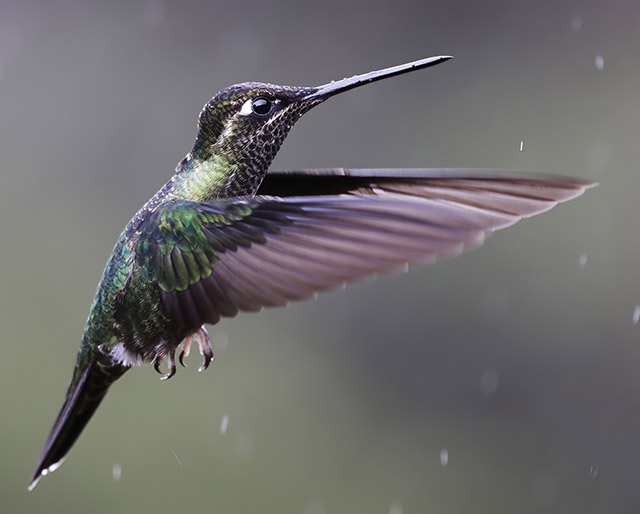
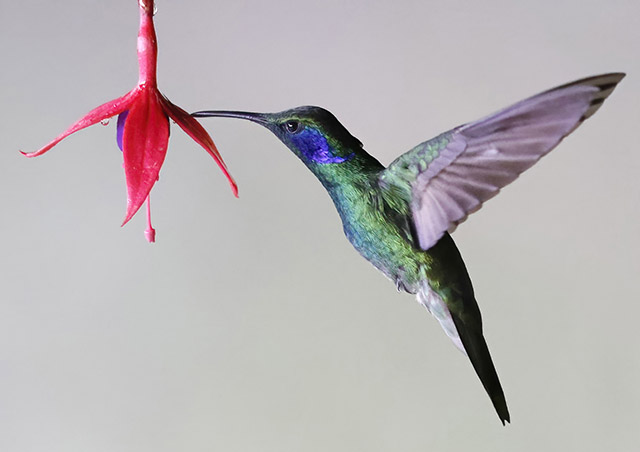
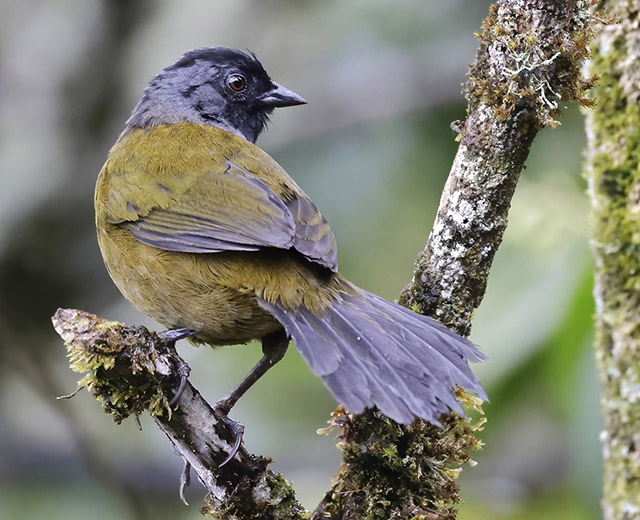
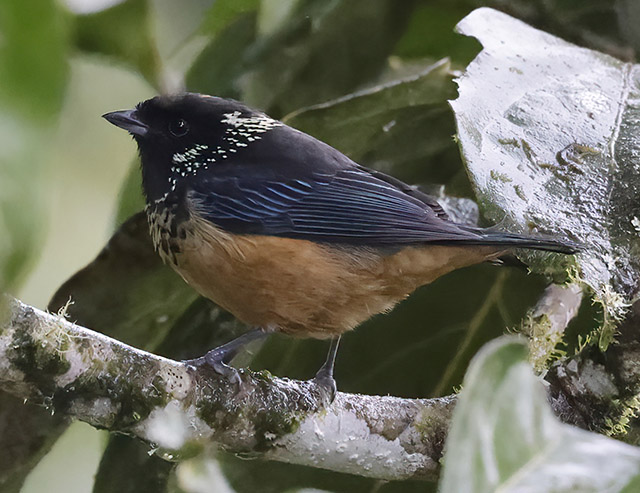
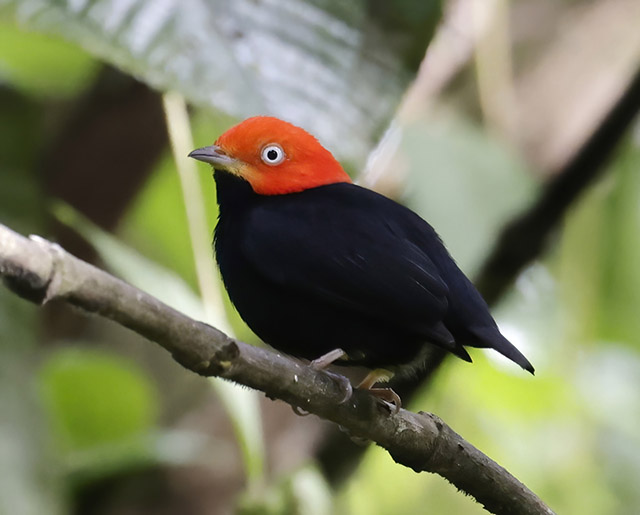
Costa Rica XI-XII 2025

Again to Costa Rica

When in autumn I was asked to lead tour to Costa Rica, it was an easy decision. The group was going to be small and we were going to visit many places where I had already been but also some new places.

We had been in Costa Rica a couple of times in last 2 years so I was quite familiar with most birds and other animals but of course I had to start studying before the trip.

We decided that I would go to Costa Rica a couple of days before the group was arriving so I could get rid of jetlag and so on – and of course to do some birding too.

Finally it was the 15th of November and I traveled by train to Helsinki-Vantaa airport. I had a room in Clarion Hotel where I could relax.

On the 16th of November my Air France plane left early to Paris and when the plane landed Charles de Gaulle airport was a mess because of thick fog. I had to walk a long way, queue a lot and even take a bus to terminal M from where my next flight left at 1:15 p.m.

Finally I landed to San Jose Juan Santamaria airport at 5:50 p.m. local time. After I had found my luggage, I walked out to search transportation to hotels. I had to wait for an hour until the right bus finally arrived and it was only a short drive to Hotel Double Tree Hilton.

El Copal

The 17th of November. I was very tired because of long traveling but anyway I slept only for a few hours as at 4:30 a.m. Erick Guzman came to pick me up. I had managed to contact Erick with help of Andres Chinchilla who had guided us on our previous trip in San Isidro area. Then I had booked Erick to guide me for at least one day but there was also an option for another day if everything goes well. Just a couple of days before we had agreed that we would go birding to El Copal where I had been once before but in a very rainy day. I had a feeling that there was still much to see there.

It was still dark when Erick picked me up and soon we drove out from San Jose and passed Cartago and Paraiso. When sun started to rise, we were already climbing higher along smaller roads and finally we parked to El Copal.

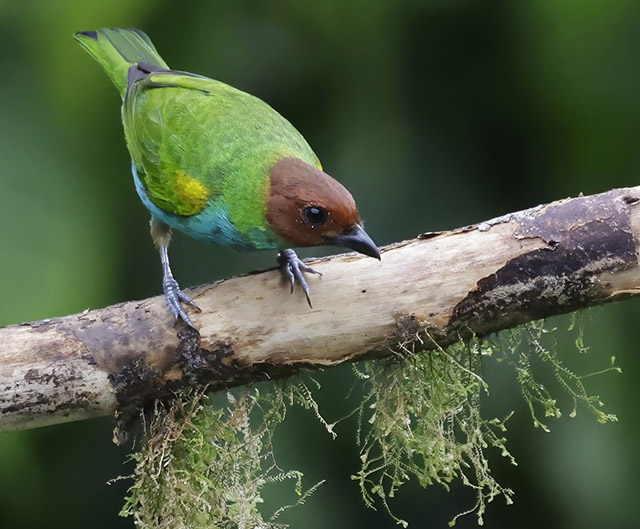
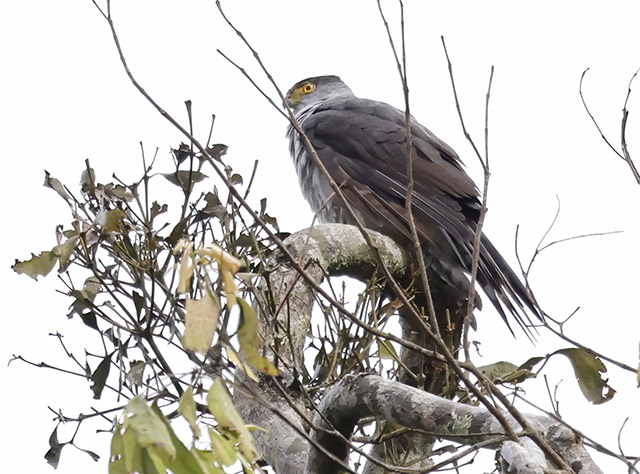
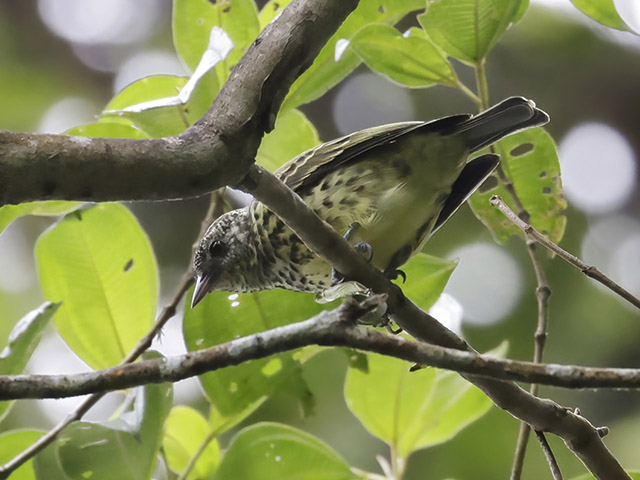
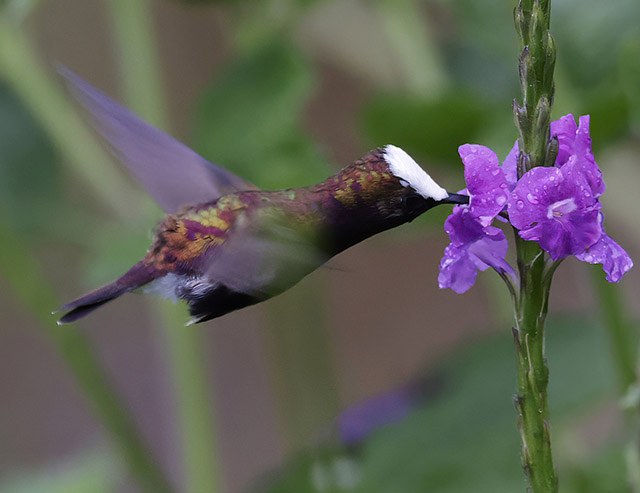
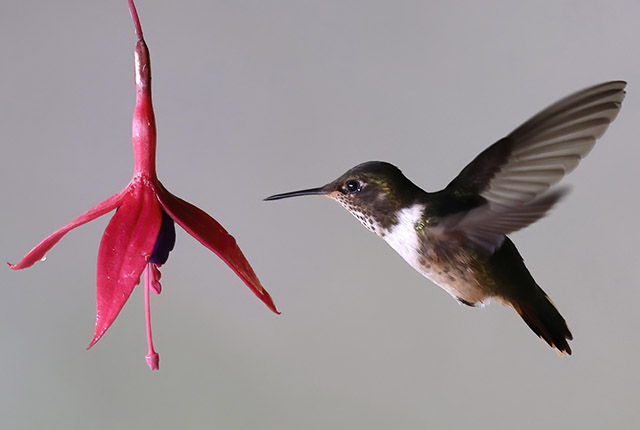
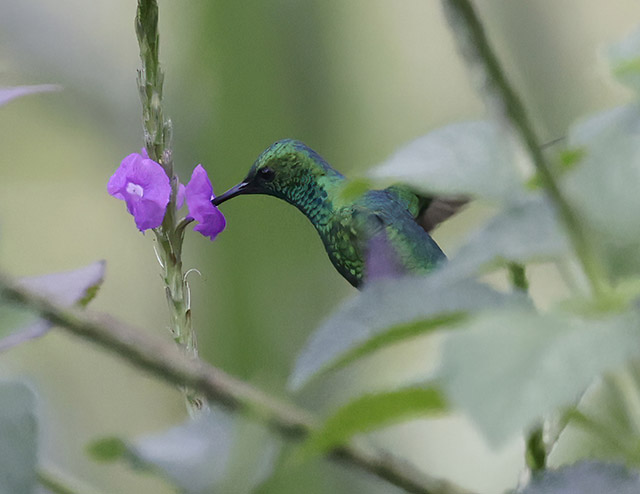
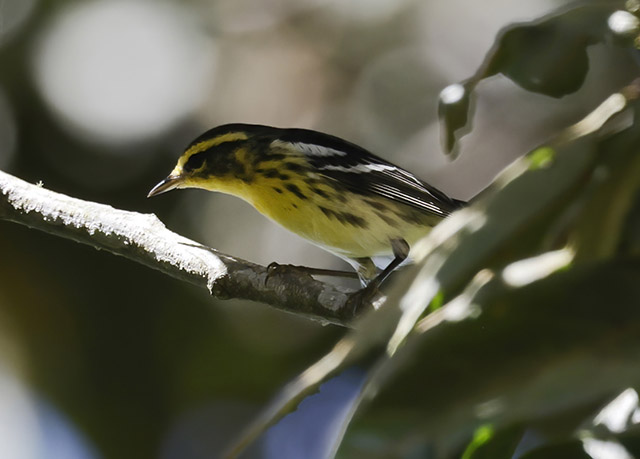
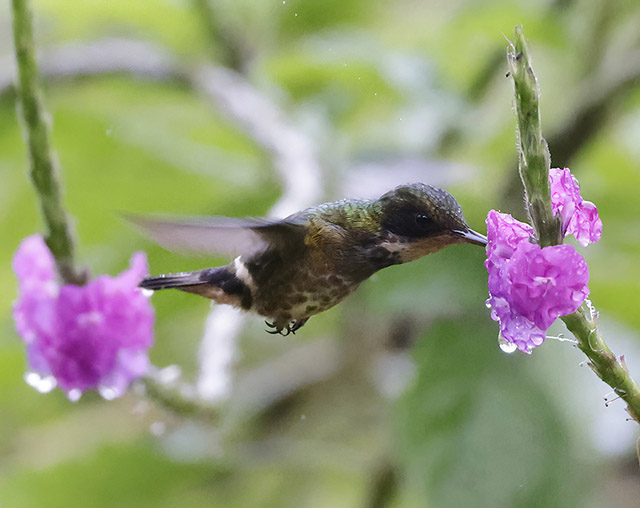
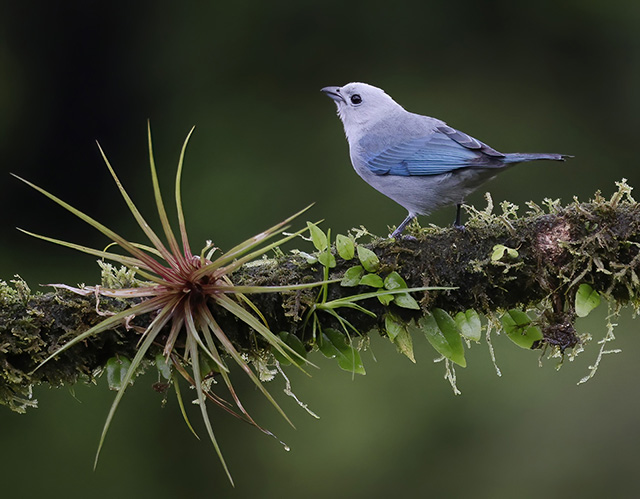
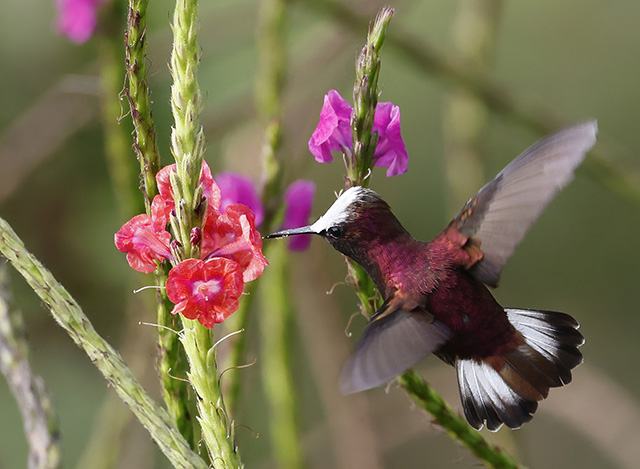
We started birding around the buildings and soon went to check the feeders. There were lots of tanagers with some better species like Emerald, Bay-headed and Speckled Tanager. There were a couple of Snowcaps on Verbena-bushes and like on our previous visit a Bicolored Hawk landed to a top of one tree. We also saw a couple of Blackburnian Warblers and Tropical Parulas too.

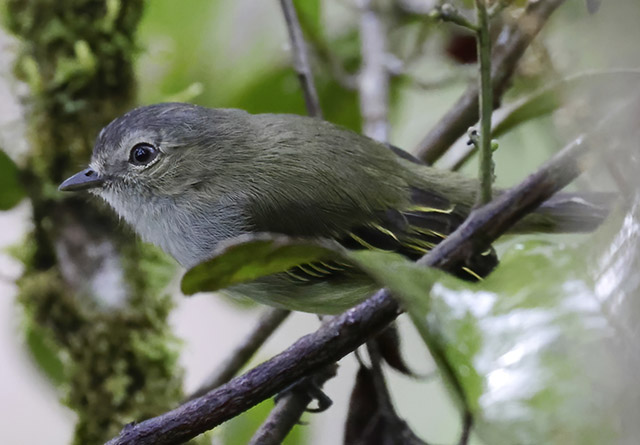
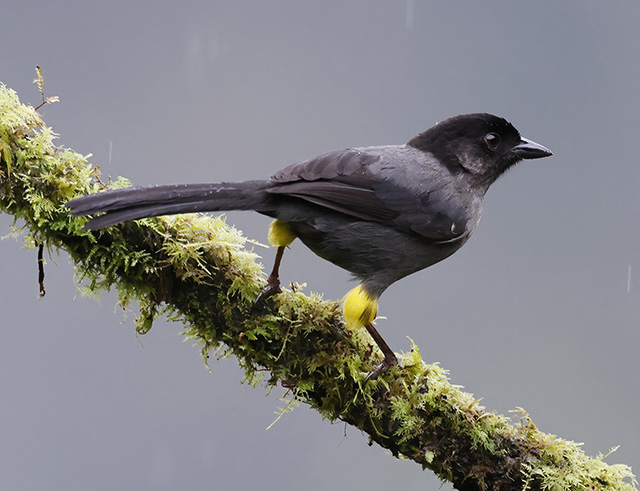
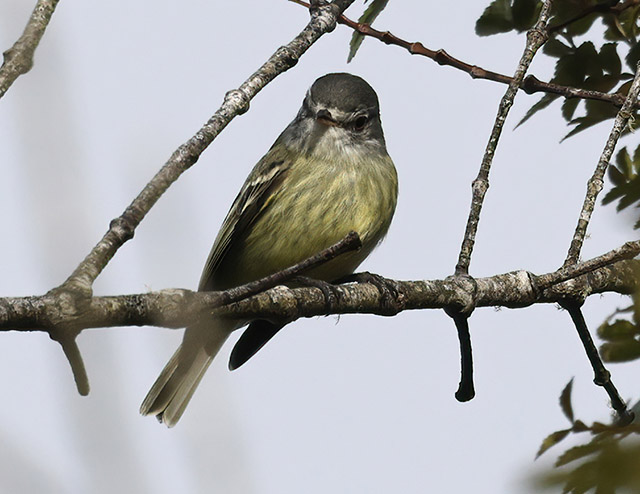
We had breakfast that Erick had booked and then headed to walk to the trail which we had planned to walk around. Soon Erick started to pick up some calls but most birds stayed hidden. But one of the first birds we saw were a a Rufous-browed Tyrannulet and then one of my main-targets, a Black-and-yellow Tanager. Unfortunately they both disappeared too soon to get any pictures.

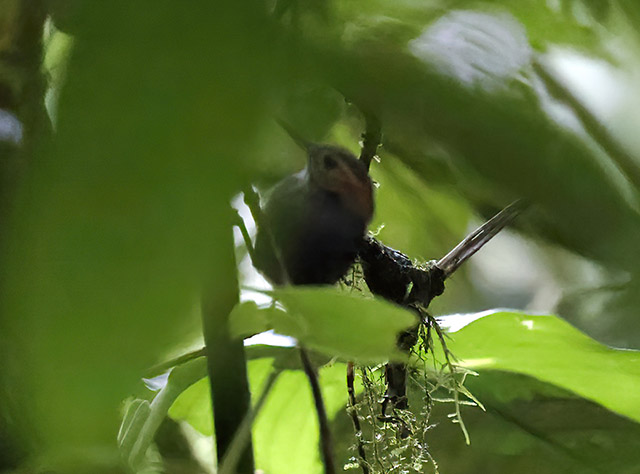
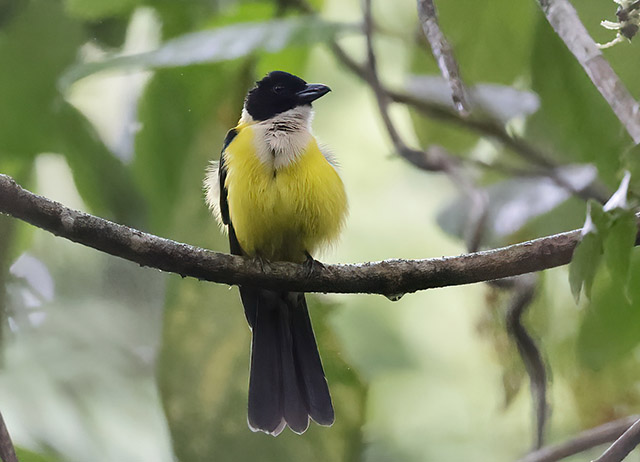
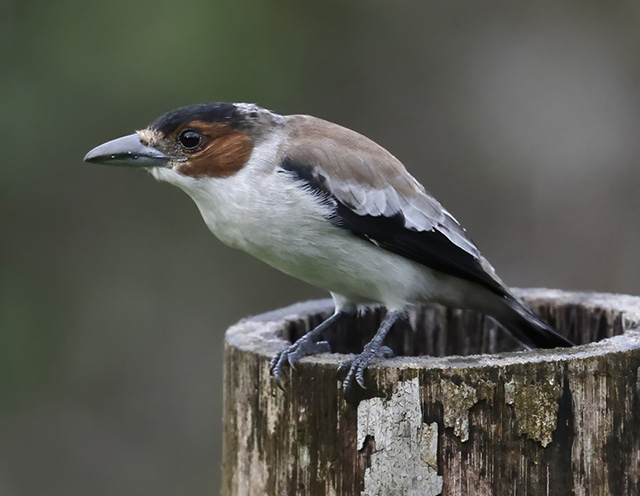
After some more walking I found a lonely bird hiding behind some branches. I first thought it looked like a piculet but when I saw its head, I thought I knew what I was watching. Luckily Erick found the bird soon and confirmed that it indeed was a Sharpbill! It was a really good bird – only the 2nd for Erick.

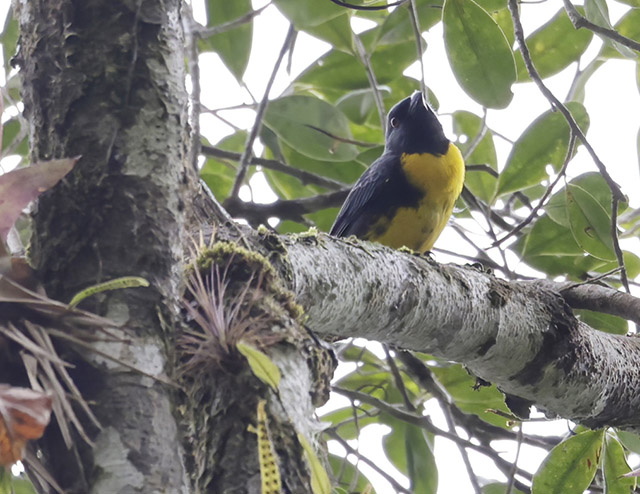
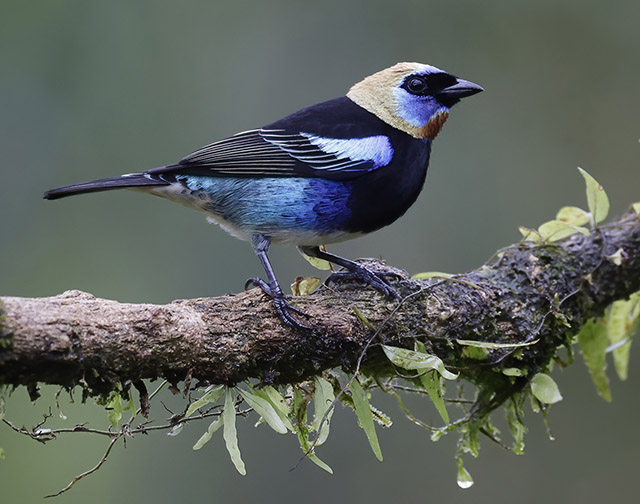
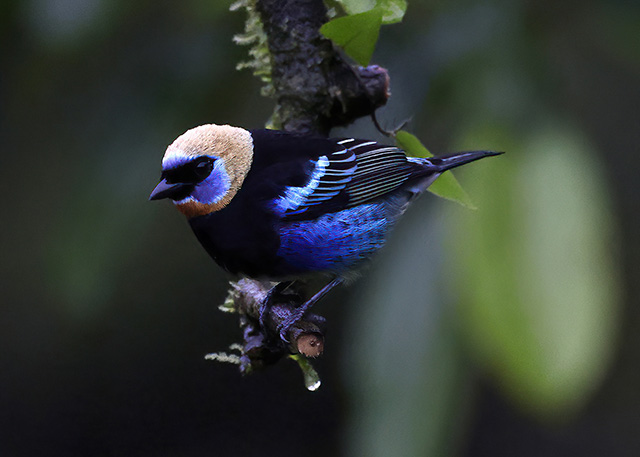
Soon we found a mixed flock of euphonias feeding berries on the top of one tree. Unfortunately beautiful Elegant and White-vented Euphonias stayed too high to get any pictures. And then Erick found another target-tanager – a Blue-and-gold Tanager which was also quite far but I got at least some kind of pictures..

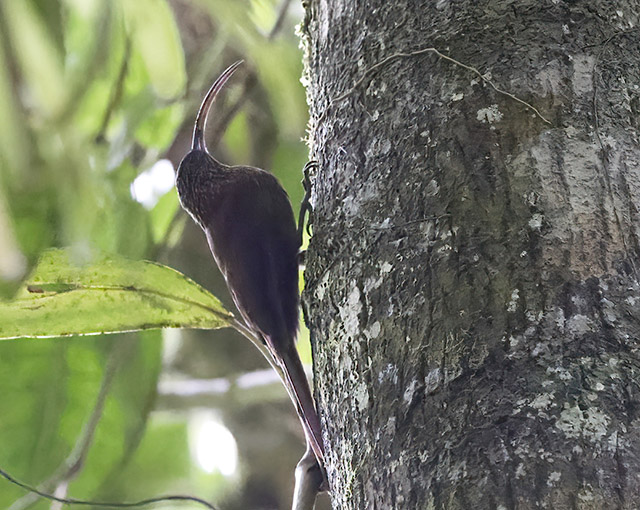
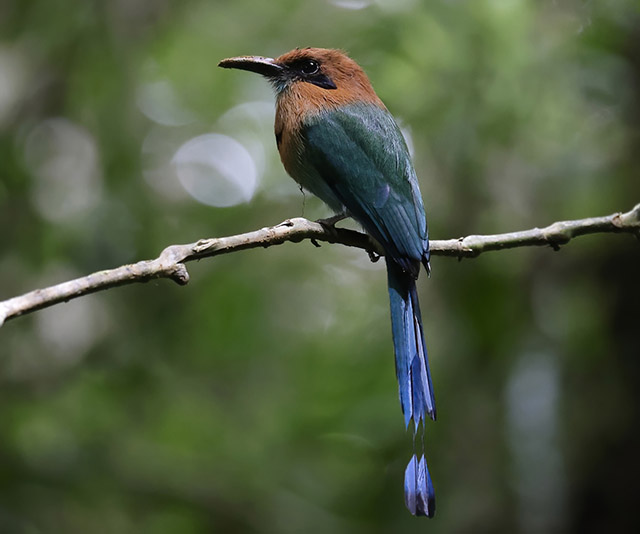
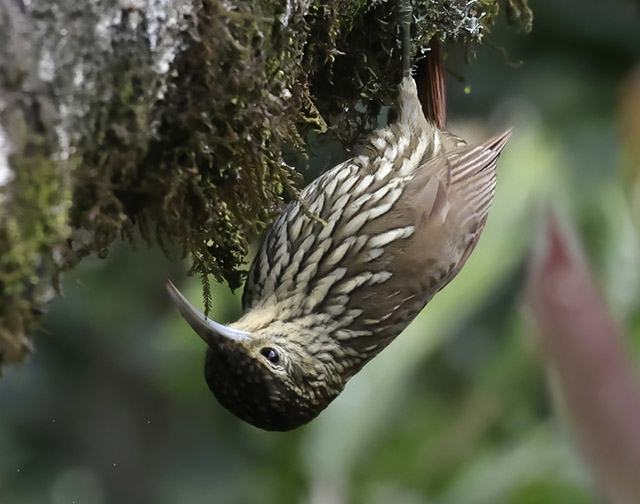
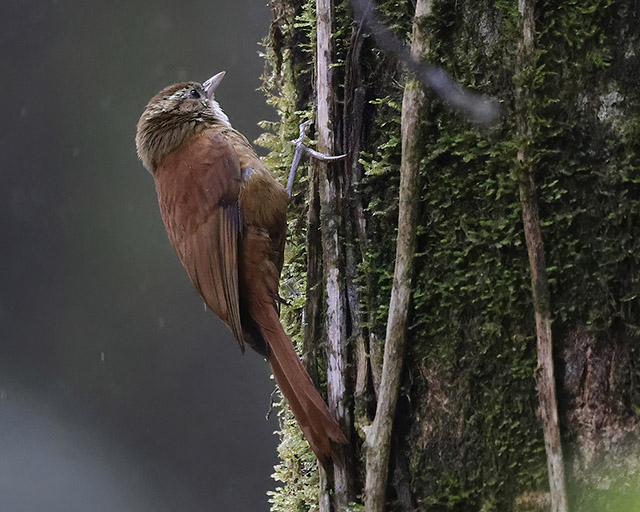
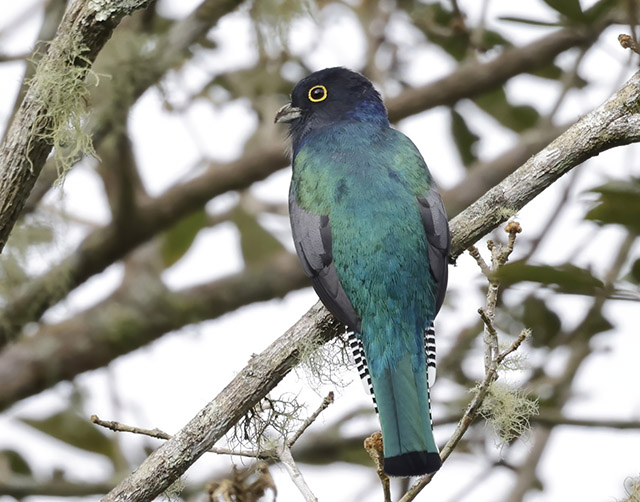
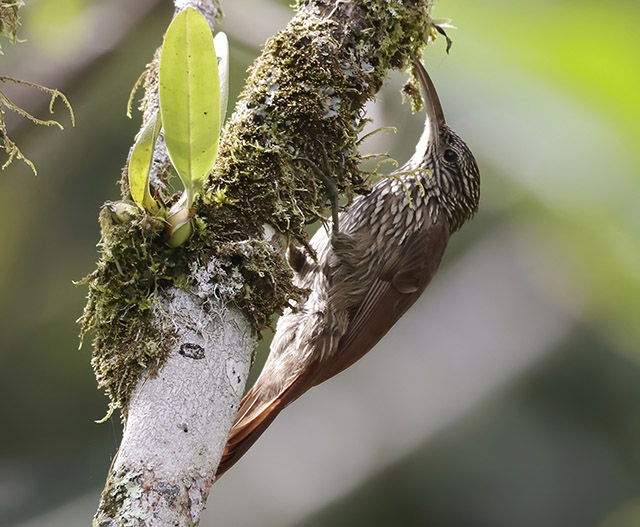
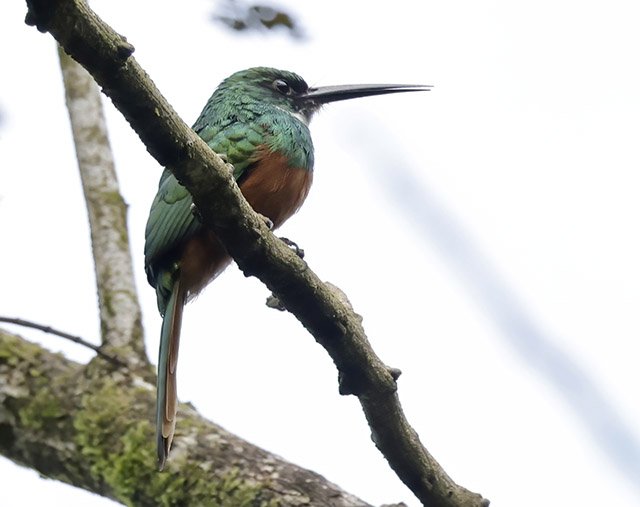
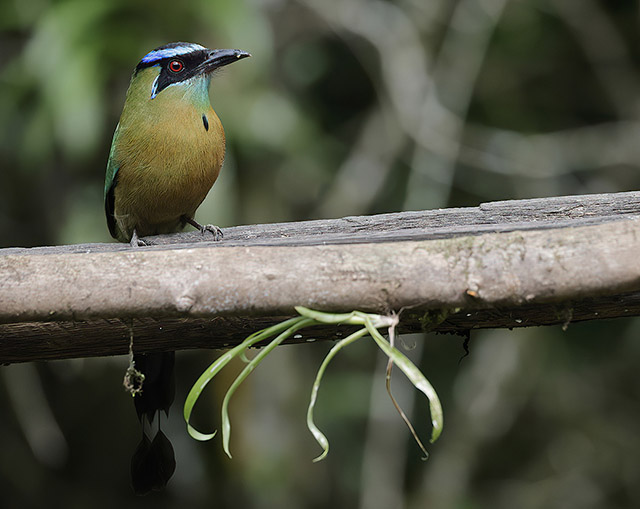
We continued climbing higher but there were surprisingly few birds, but all of them were good ones. We saw a Broad-billed Motmot, a couple of Olivaceous Woodcreepers and a Spotted Woodcreeper, a Brown-billed Scythebill, a Northern Plain Xenops, a Bicolored Antbird, a Sulphur-rumped Myiobius and a Red-eyed Vireo but a Black Hawk-Eagle, a Collared Trogon, a Rufous-tailed Jacamar, Fawn-throated and Buff-fronted Foliage-gleaners, Plain Antvireos, Spotted and Zeledon’s Antbirds, a Thicket Antpitta and a Black-headed Tody-Flycatcher were only heard.

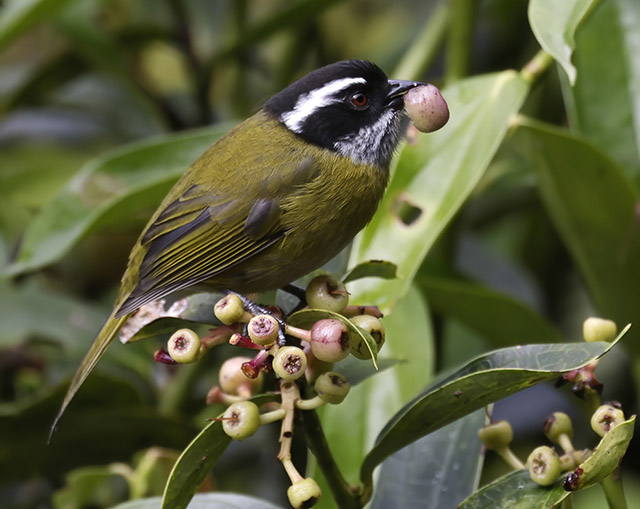
We still found a Band-backed Wren, an Ashy-throated Chlorospingus, a White-lined Tanager and saw briefly a Black-headed Nightingale-Thrush. Our walk had really been a success!

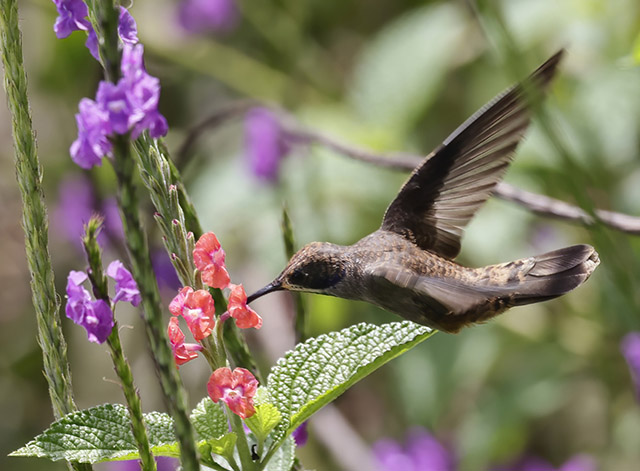
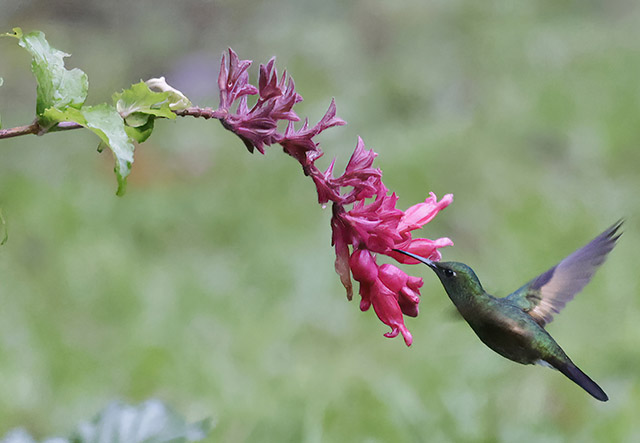
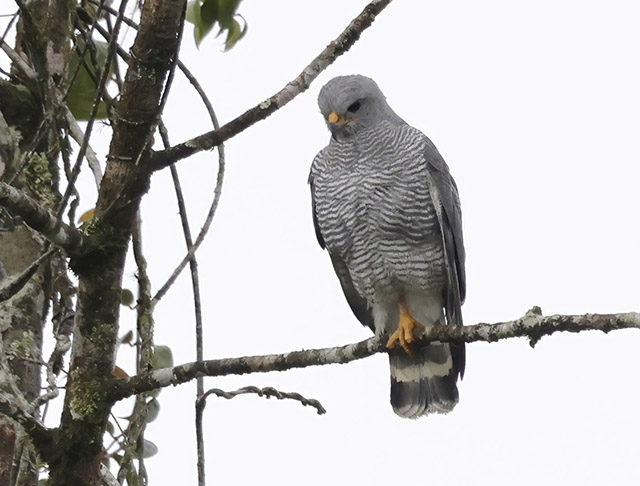
When we were back at the buildings we had lunch and then still spent some time at the feeder and around the buildings. A Barred Hawk was seen and I got some pictures of a Brown Violetear and a Green Thorntail but then we had to start driving back towards San Jose.

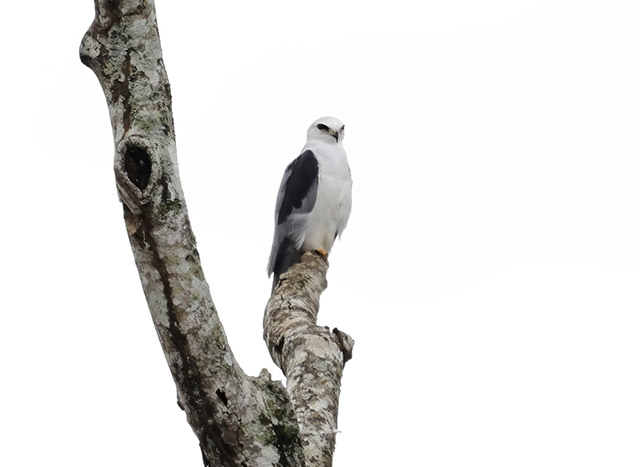
On the way we still saw a White-tailed Kite but nothing else really. There were lots of traffic but finally we were back at my hotel. And of course we had planned to continue on the next day too.

I was very tired so I only visited the closest shop and bought some snacks and drinks and soon I was ready to go to sleep.

Twitching

On the 18th of November we met with Erick again at 4:30 a.m. and soon we were driving towards west and Pacific Ocean. In Tarcoles we had breakfast and finally Erick got information that the most important target-species, at least for Erick, was still around. So soon we drove to one farm and met Erick’s friend who had managed to organize twitching on this place. The twitch cost a little bit but the some money went also for the owner of the farm. Luckily there were even rubber-boots as I hadn’t taken a pair with me at all.

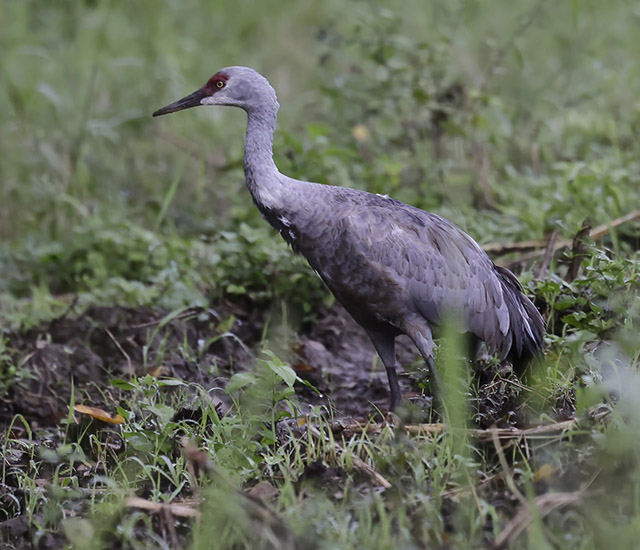
Soon we were following our guide with a couple of other twitchers to a wet field. We had to walk some hundreds of meters until we were on the right place where our target-bird had just been. And luckily after some searching we found the first ever Sandhill Crane for Central America feeding in quite long vegetation.

We were watching and photographing the crane for some time before walked back to the farm. Some other birds we had seen were flocks of Yellow-naped Amazons, a couple of White-fronted Amazons and when we were already next to our car, Erick found a couple of Scrub Euphonias – so also I got a lifer.

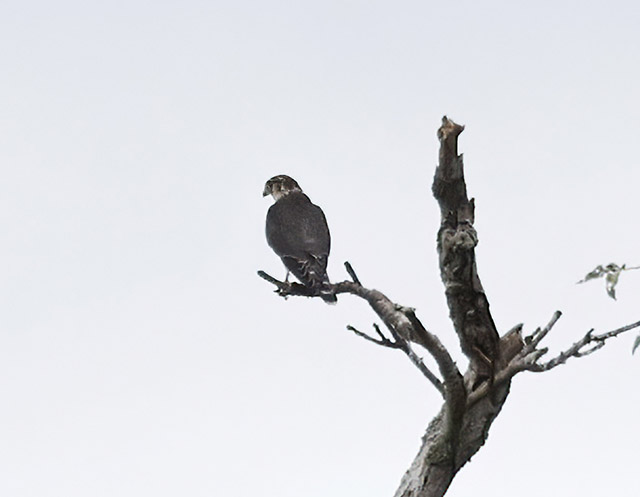
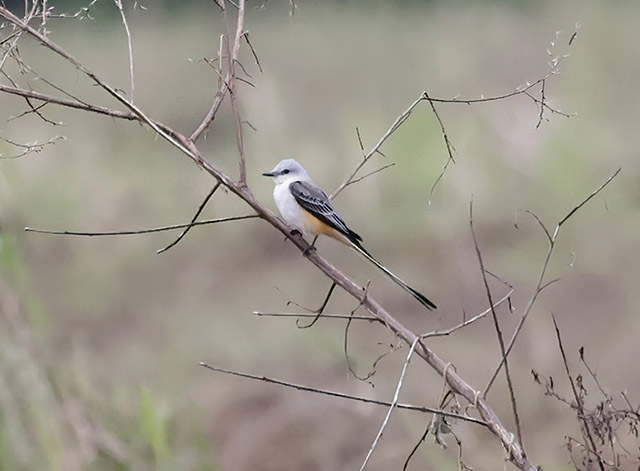
Next we continued some tens of kilometers south to Quebrada Amarilla where we soon met a twitcher with very nice motorbike who had been with us watching the crane. Unfortunately he hadn’t found our target-bird. We planned to check different places and once we stopped we almost immediately found a falcon perched on the top of one very distant tree. I took pictures of it and it really looked promising. Erick went to pick up his telescope and on the way he saw some Scissor-tailed Flycatchers flying over him. And of course while I was trying to find the flycatchers, the falcon disappeared. Motorbike-twitcher also arrived when we had just found a falcon but even further. It was impossible to be sure if we had the right bird or not. And after all on my pictures from the previous tree-top was a Merlin. We started to feel some pressure.

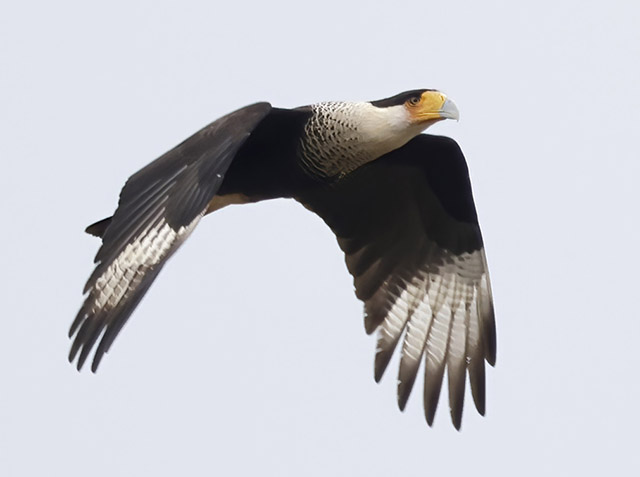
But luckily soon we saw the right bird flying above the field being chased by a Crested Caracara. And then this Aplomado Falcon landed to some farm-machine and we could enjoy watching it with telescope.

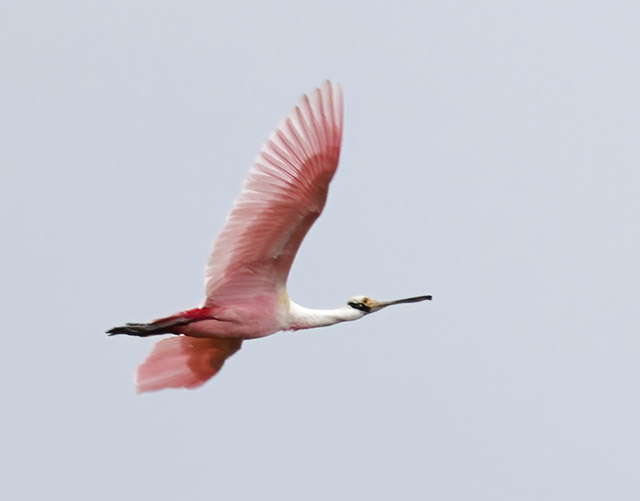
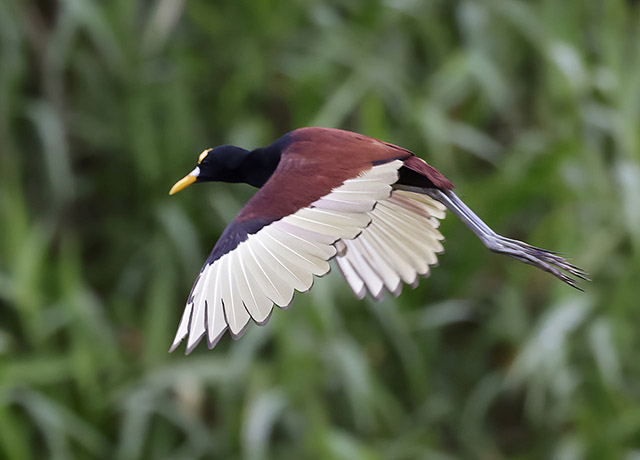
When we started to scan other birds, we found even 25 Scissor-tailed Flycatchers and also saw a couple of Muscovy Ducks, a Blue-winged Teal, Roseate Spoonbills, a couple of too distant plovers (which I think were American Golden Plovers), a Killdeer, a Northern Jacana, heard a calling Ferruginous Pygmy Owl, Plain-breasted Ground Doves, Scarlet Macaws, a Gartered Trogon, a Red-crowned Woodpecker, a Panama Flycatcher, Morelet’s Seedeaters, Western and Red-breasted Meadowlarks and so on.

Then it was time to start a long drive back to San Jose. Soon we still saw a Peregrine Falcon, later along the shore some Magnificent Frigatebirds and Brown Pelicans and then still a Zone-tailed Hawk and a White-tailed Kite.

Once we were back at my hotel it was time to say thanks and goodbye to Erick. I had got even 10 lifers and some Costa Rica ticks too. Then I had to relax for a couple of hours before I tried to contact Pablo who was going to be the driver on our tour. It took some time before he finally answered and he was in very bad traffic-jam as there was an important World-cup qualification football match near my hotel in the evening.

Group arrives

Finally Pablo was at my hotel so late that we had to leave to the airport immediately. Luckily the traffic wasn’t too bad to this direction so we managed to get to the airport soon and there we had to wait for our group for at least a half of an hour. Finally the group arrived and pretty soon we were back at our hotel.

We still went to eat together with very tired group but it was good to get familiar with them. Most of the group were photographers so it was good that we were going to many very interesting places with lots of birds and animals to see and what even most important, to photograph. Finally we managed to go to sleep pretty early.

On Quetzal’s land

On the morning of the 19th November I had told to my group that if they have problems to sleep because of jetlag, I would lead short walks outside our hotel both at 6 and 7 a.m. It wasn’t a surprise that only one person came to walk with me at 7 a.m. The traffic was noisy but we managed to find about 20 bird-species which one of them was even a lifer for me – a Cinnamon Hummingbird.

Before 9 a.m. we all had enjoyed good breakfast and then we were ready to hit the road with Pablo. On the way we didn’t see many birds but a couple of good ones – a Double-toothed Kite and a Sharp-shinned Hawk.

Once we reached our destination Quetzal Valley, we didn’t turn to our hotel but continued towards San Gerardo do Dota Valley. And after some more driving we finally stopped at Miriam’s Quetzal where we could start birding and photographing while having lunch.

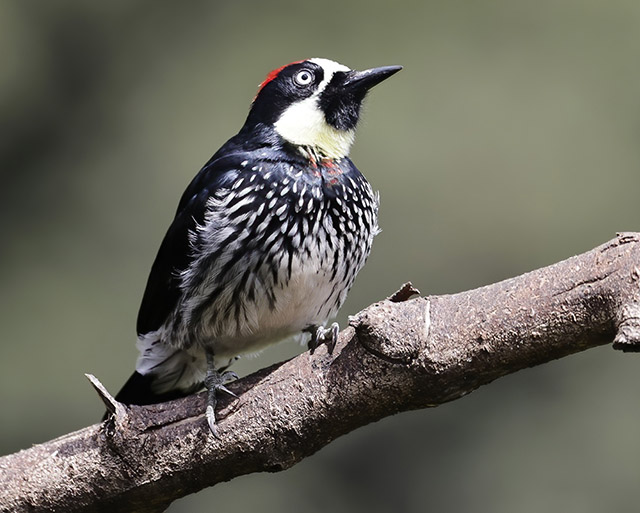
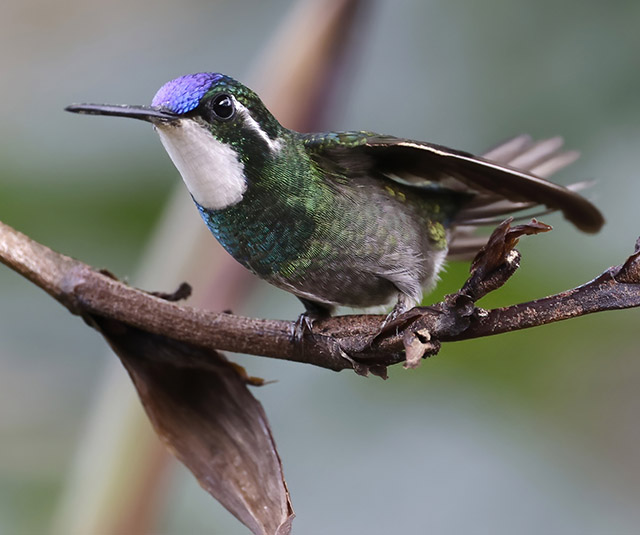
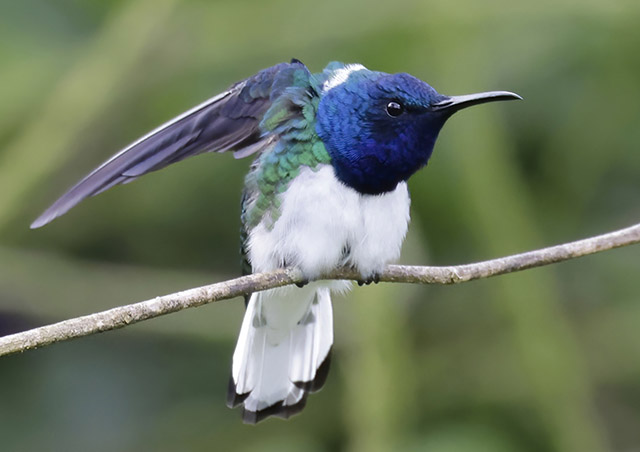
It was great to photograph hummingbirds and tanagers. Especially Acorn Woodpeckers and White-throated Mountaingems were posing well.

Next we continued along the valley to Savegre Hotel which also have great feeding place. There Lesser Violetears, Scintillant Hummingbirds, a Red-tailed Hawk, a Spot-crowned Woodcreeper, a Rose-breasted Grosbeak and several other beautiful and colorful birds were seen and most of them posing well for photographs.

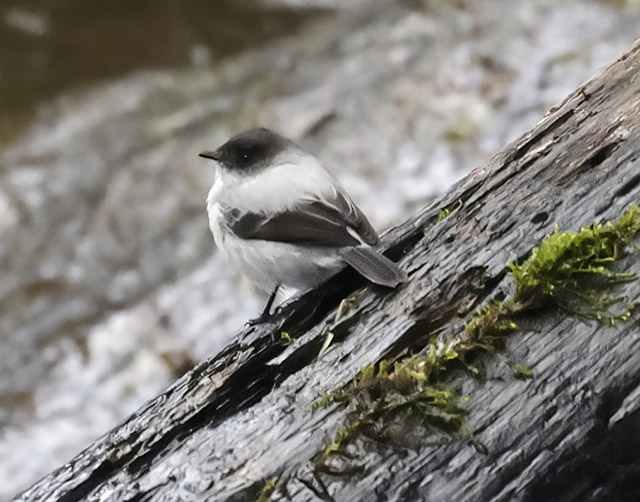
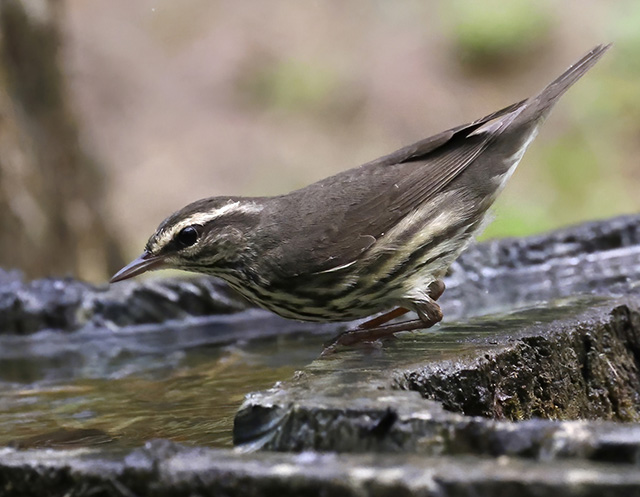
There was a construction zone close to Savegre so we had to stay there for a couple of hours as the road was closed. But it was just perfect time for us. When we thought that we had got pictures of all feeder-visitors, we walked down to a rapid where we still saw a Louisiana Waterthrush and a couple of Torrent Tyrannulets. Soon Pablo picked us up and we started to drive up towards uplands where our accommodation was in Paraiso Quetzal.

We got our cottages so that the group was at downhill and I was at uphill from the reception and restaurant building. When we had dinner we had to climb steep hills – it was a good practice for the rest of the trip as there was going to be more climbing.

Late in the evening I still went for a walk for more than an hour. I stopped many times and played Unspotted Saw-whet Owl calls from my speaker. When I was about 2 kilometers from the hotel an owl came to respond but unfortunately I didn’t see it even with my thermal-camera. I really wanted to see this beautiful owl but I was very happy just to hear it.

On the 20th of November we had very early wake up as our quetzal-trip had been moved to start already at 5:15 a.m. Our guides had told us that early mornings and afternoons were the best time to see quetzals and our trip had been ordinary booked at mid-day. So now we were already before the sunrise driving along the upland. After some driving we parked our car and climbed up to a steep hill and went under a small shelter to wait for quetzals to arrive to feed avocados from a tree in front of us.

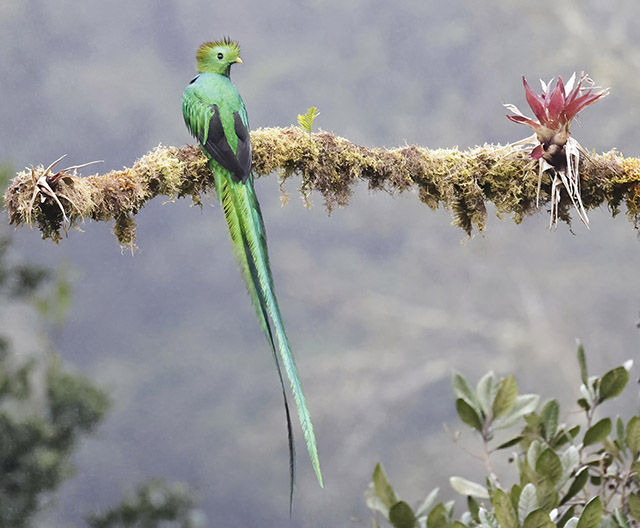
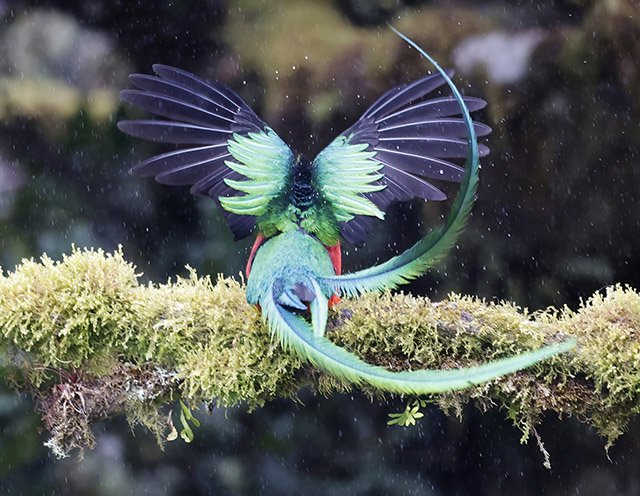
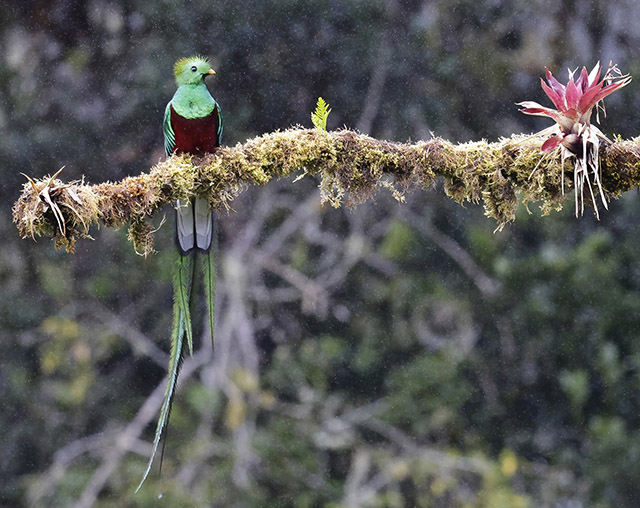
Our guide David told that there was already one Resplendent Quetzal inside the tree and I managed to find it with my thermal-camera. And it didn’t take long when it came visible and we managed to get first pictures of this magnificent bird.

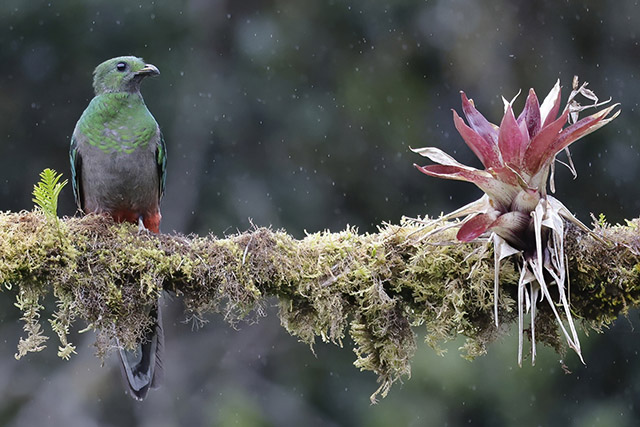
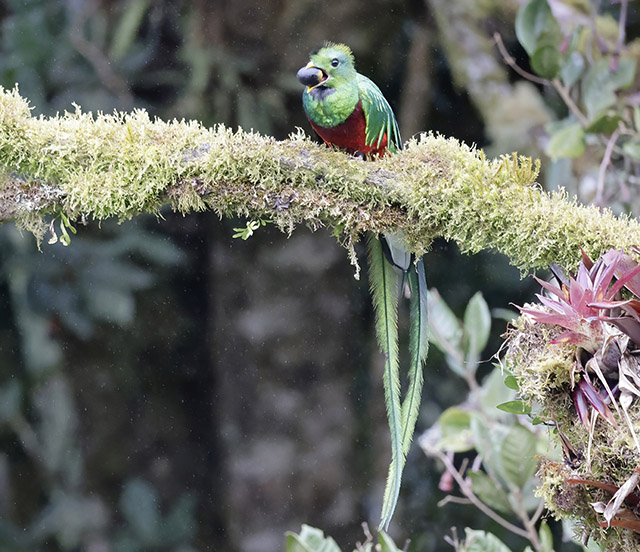
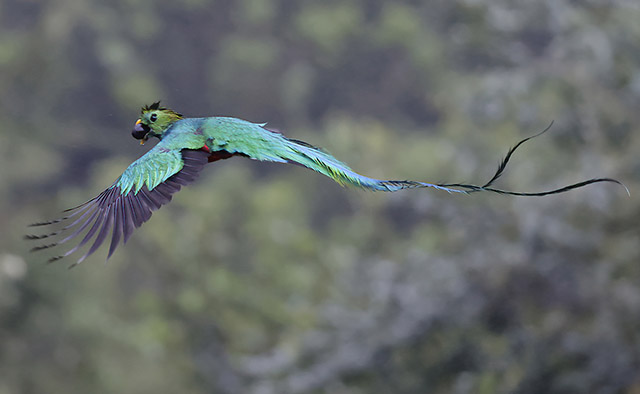
Also another group came to photograph quetzals and together we enjoyed a couple of hours photographing these stunning birds. At least two males had very long tails while 4 or 5 other birds were young males and females. At least I took far too many pictures even though the weather was cloudy and bit dark for flight-shots.

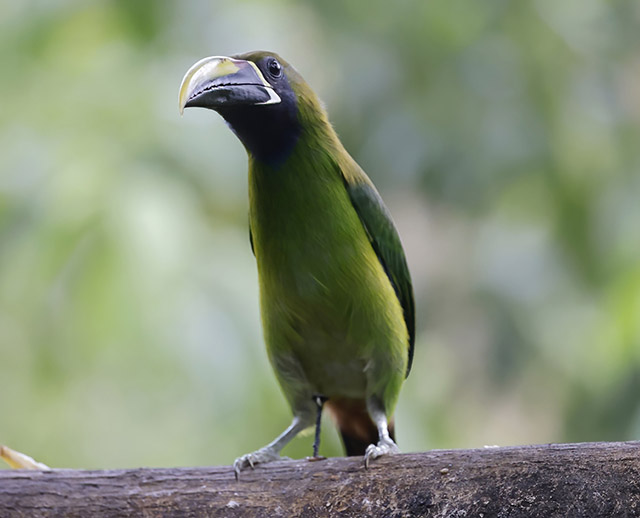
While enjoying quetzals we had also heard a Spotted Wood Quail, a Collared Trogon and a Rufous-browed Peppershrike but otherwise there had been surprisingly few birds. A Northern Emerald Toucanet which had been in the same tree with quetzals had been hiding so well that only I had seen it.

The rest of the day we spent in Paraiso Quetzal’s garden which had plenty of flowering bushes with lots of birds. Many birds were visiting the feeders next to a platform which had been booked for us and which was a perfect place for photographing. Fresh fruits and sugar-water were added in fast pace so there was good action until the evening.

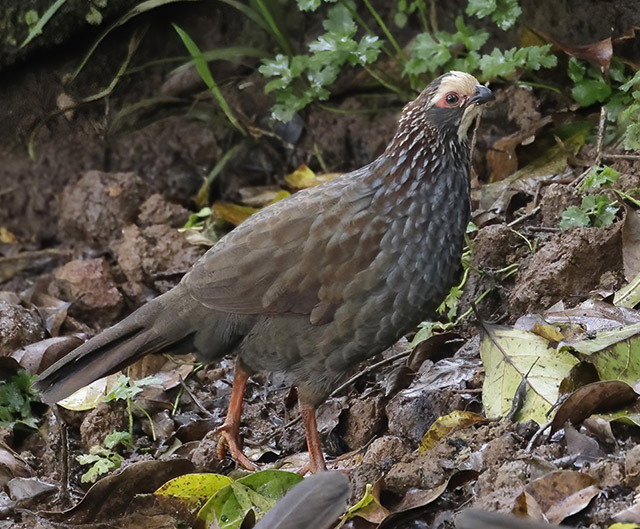
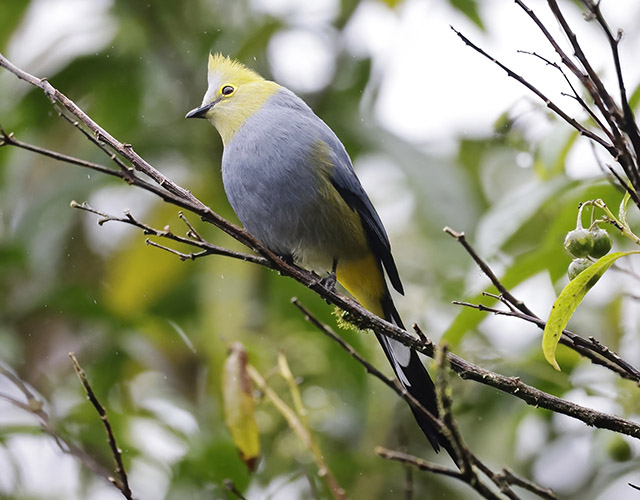
The best birds we saw were at least 15 Buffy-crowned Wood Partridges, a couple of Hairy Woodpeckers, amazing numbers of Fiery-throated Hummingbirds and Talamanca Hummingbirds, several Long-tailed Silky-flycatchers, Large-footed Finches, a couple of Yellow-thighed Brushfinches and so on.

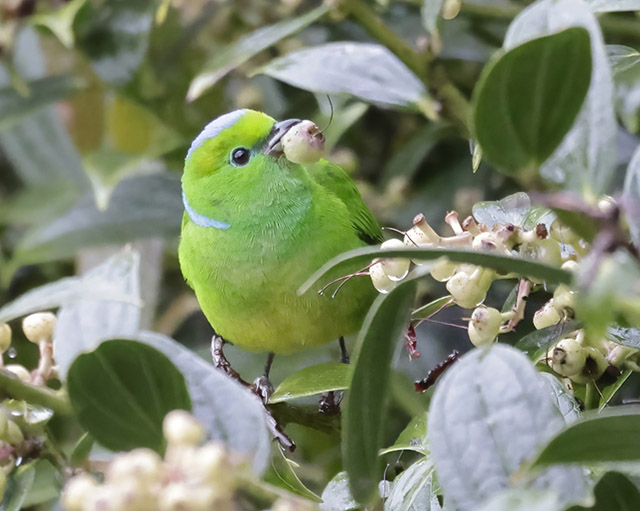
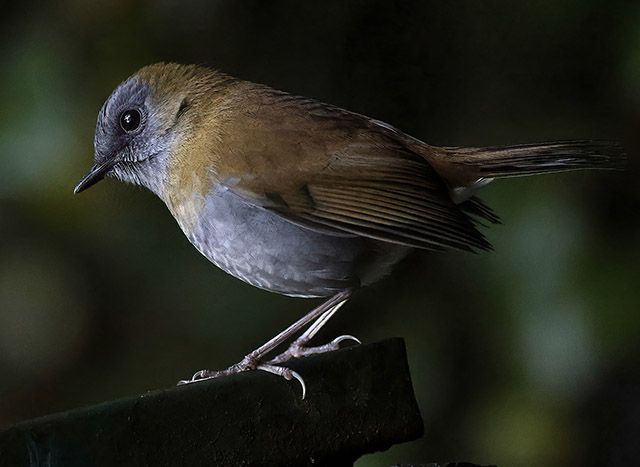
A couple of times I had to straighten my legs and walk in the garden and there I saw some Black-and-yellow Phainoptilas, a Wilson’s Warbler, beautiful couple of Golden-browed Chlorophonia and a Spangle-cheeked Tanager. From a view-tower we enjoyed the view but also saw a Black-billed Nightingale Thrush and a Northern Tufted Flycatcher. A flock of Chestnut-collard Swifts and several flocks of Band-tailed Pigeons were also seen.

On the 21st of November we had pretty similar day than the previous one but in opposite order. In the morning we were photographing birds on the platform and in the garden and in the afternoon we had a quetzal-trip again.

The weather was rainier but anyway we got plenty of pictures of the same species as on the previous day. I also found at least 6 singing Wrenthrushes near my cottage but they were impossible to photograph.

With half of our group we walked a short Colibri-trail and saw a Ruddy Treerunner, an Ochraceous Pewee, a Ruddy-capped Nightingale Thrush, Silky-flycatchers and Phainoptilas, a flock of Yellow-winged Vireos, a Flame-throated Warbler, Black-cheeked Warblers and Collared Whitestarts.

It was very rainy on our quetzal-trip but anyway at least 4 Resplendent Quetzals were seen and we got some different kind of pictures even thought it was quite dark again.

In the evening we had again delicious dinner before it was time to go to sleep.

Birding on the way

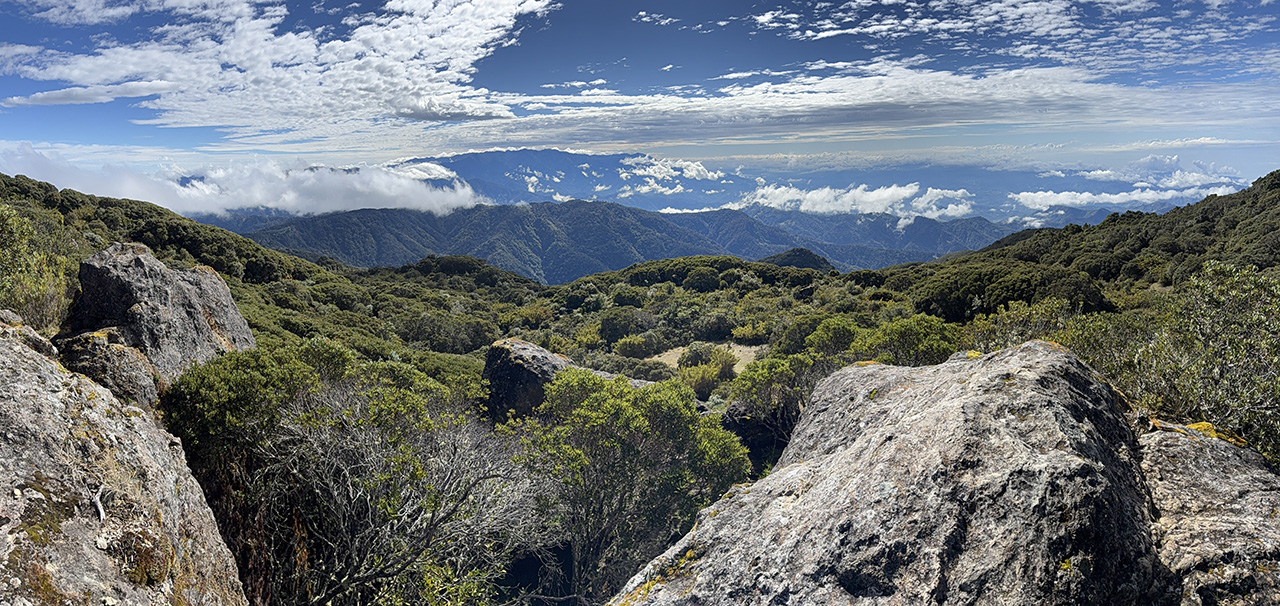
On the 22nd of November we still spent the morning in the garden but then it was time to pack our car and say goodbye to wonderful stuff of Paraiso Quetzal. We didn’t drive far as we soon turned uphill to the highest place that is possible to go by car to Antennas. Luckily the weather was now very nice and mountains sheltered us from the wind too. We could see the surrounding landscape perfectly and get some stunning pictures too.

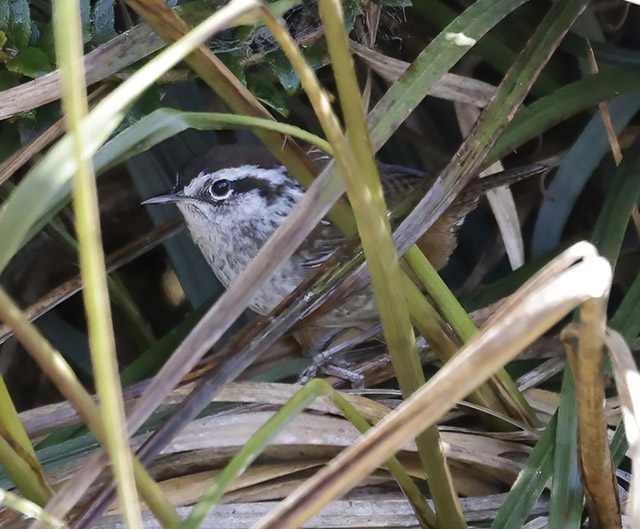
There weren’t many birds but after some searching we managed to find both targets – some Timberline Wrens and a single Volcano Junco. We also saw some Volcano Hummingbirds, Slaty Flowerpiercers, a couple of Black-capped Flycatchers and a Cooper’s Hawk briefly in flight.

Soon we were driving again and passed the former capital Cartago where we saw the fortress without stopping. We continued east and then again passed our next accommodation and continued a little bit more until finally turned towards Tranki Garden where we hadn’t got only lunch but also photographing opportunities.

Finally we parked our car at Tranki Garden and met (one more) David who was easy to identify as he had extremely long hair. Then we had lunch on his home-terrace and it was really nice to have so called home-food. The “restaurant” was maybe a little bit more ascetic than usually but our group really enjoyed it. And food was delicious.

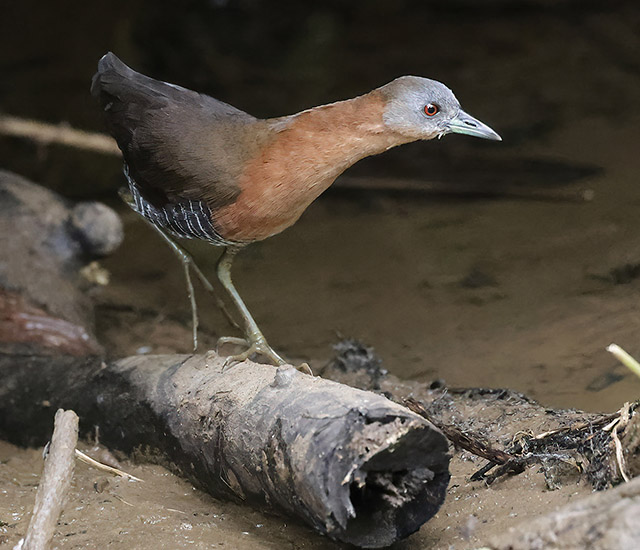
After lunch we followed David downhill to a small feeder where we didn’t have to wait for long until the star of the feeder came to feed rise – a tiny White-throated Crake was very shy but it visited the feeder so many times that we all managed to get really good pictures of it.

When we had photographed the crake enough we followed David to another feeding-place where we saw plenty of new birds for the trip.

We got lots of pictures of fruit-eaters but there were also doves, pigeons and other seed-eaters. A Band-tailed Barbthroat visited one big flower and other better birds we saw were a Cinnamon-bellied Saltator and a Black-cowled Oriole. But also many other common birds were photographed and they were all new to our group as we had only been on the mountains.

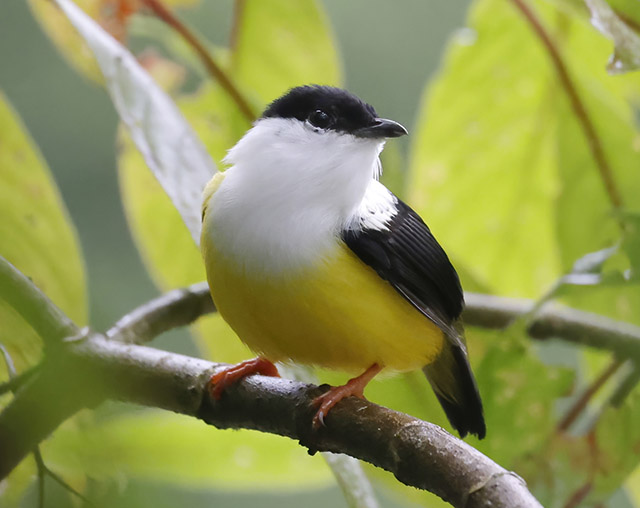
When we were already walking back to our car David still showed us a female Snowcap, a Garden Emerald and a White-ruffed Manakin. Luckily I had met one twitcher in Tarcoles who had been a guide in nearby Rancho Naturalista and he had told me about this place – Tranki Garden had really been a good place to visit.

Rancho Naturalista

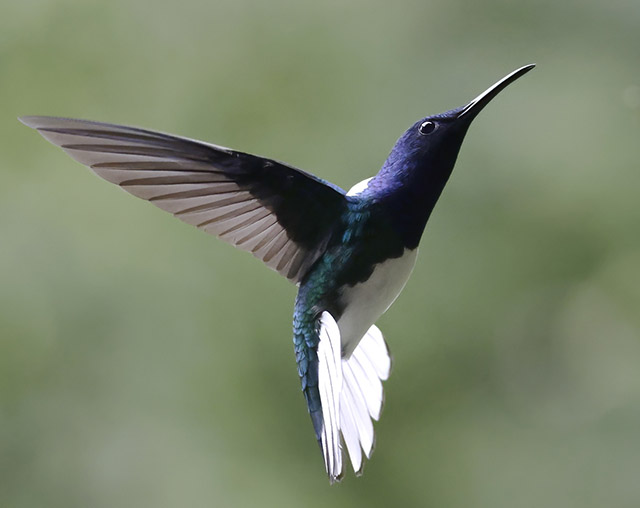
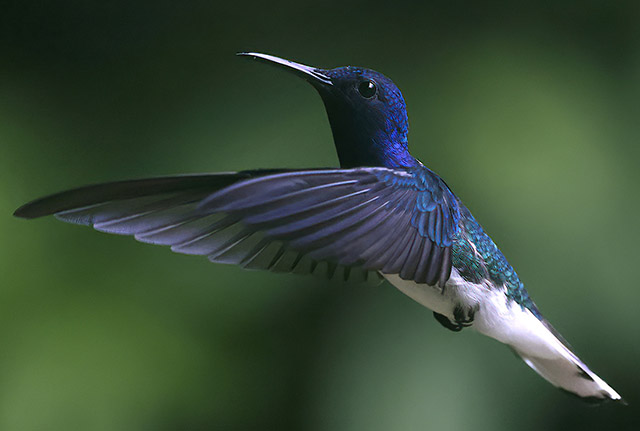
It was only a short drive Rancho Naturalista and it seemed that there weren’t any officers around but some gardener or other worker helped us to find our cottages. Rancho Naturalista really looked nice and I got a very nice room with a door straight to the balcony where hummingbird-feeders were and had a good view to other feeders in the garden. Immediately we saw some Grey-headed Chachalacas, White-necked Jacobins, Crowned Woodnymphs and Green-breasted Mangos.

As there was nobody showing us the place more, I decided to go out and tried to find what we could do on the next couple of days there when we had some free time. I was walking along the roads and tried to find a place where the trails were supposed to start but I couldn’t find any signs. The map I had found in the internet didn’t really help. While I was walking here and there I saw a couple of Black Guans, a Fawn-throated Foliage-gleaner and Orange-billed Sparrows. Then finally I found the trail that started behind a couple of cottages. But it was already getting dark.

Anyway I decided to climb a little bit uphill along the trail and check if the trail was in such condition that we could walk it later with the group. I had walked maybe 100 meters when I heard a Slaty-capped Flycatcher singing.

Once I was back at the lodge I met one of the managers who showed me the house and now there were also a couple of local bird-guides in the living room. Saul was going to be our guide on the next day.

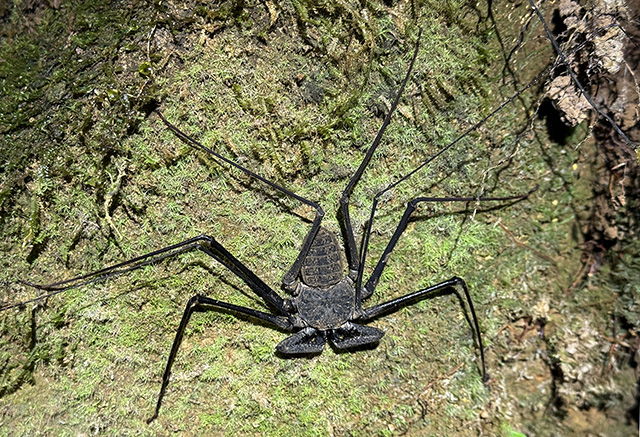
After dinner I still decided to go out to see if there were frogs and bugs to be found as I thought that we could do such a trip with the group on the next evening. Luckily another guide, Taylor was also going out in same purpose. So we walked to the trail and Taylor showed me several beautiful and not-so-beautiful spiders, bugs and frogs, also one small snake and so on. While we were already walking back we heard a Mottled Owl calling.

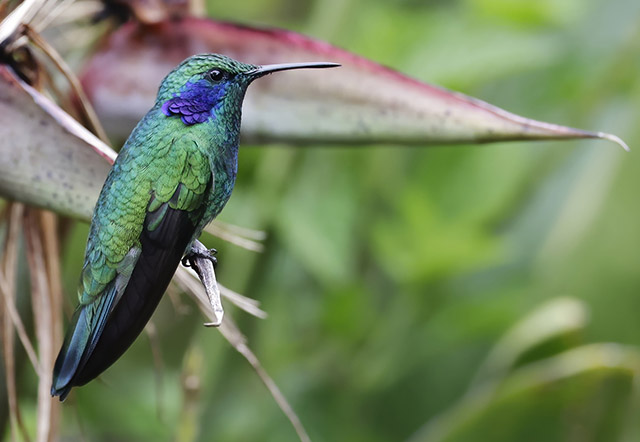
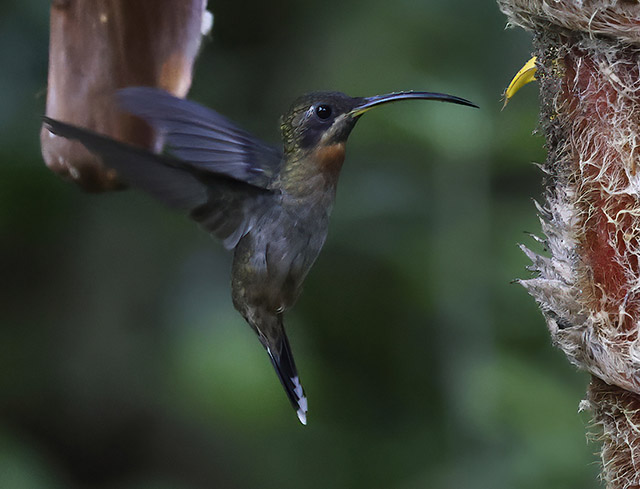
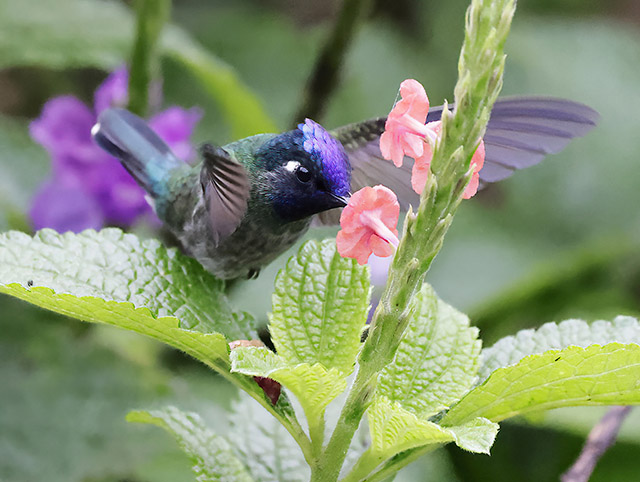
On the 23rd of November I woke up early and went to the balcony where Saul also arrived at 6:15 a.m. Soon we saw a Lesson’s Motmot visiting the feeder but unfortunately it didn’t come back after our group had arrived at 6:30 a.m. But with help of Saul we saw plenty of other birds like a Pale-billed Woodpecker, a couple of Golden-olive Woodpeckers, a Stripe-throated Hermit, a Violet-headed Hummingbird, a Brown Violetear and so on.

While we were having breakfast on the balcony Saul came to tell me that there was one good bird now on the place where the trail was beginning. I decided to go to twitch immediately and managed to see this Tawny-chested Flycatcher. It was still very dark so I couldn’t really get pictures of it but I thought we would see it later with the group anyway, but unfortunately it was never seen again.

After breakfast we were walking in the garden and saw a Checker-throated Stipplethroat, a White-collared Manakin and a Bronze-tailed Plumeteer but all very briefly. Then we drove a short distance downhill to Rancho’s another lodge where was a nice view to surrounding area and also lots of verbena-bushes with violet flowers.

Soon we saw a Ruby-throated Hummingbird briefly but also a male Snowcap. On the trees nearby we saw lots of tanagers which a Blue and a Scarlet-thighed Dacnis and a White-shouldered Tanagers were the best ones but there were plenty of other beautiful birds too. Soon Saul found also a Gartered Trogon and a Streak-headed Woodcreeper.

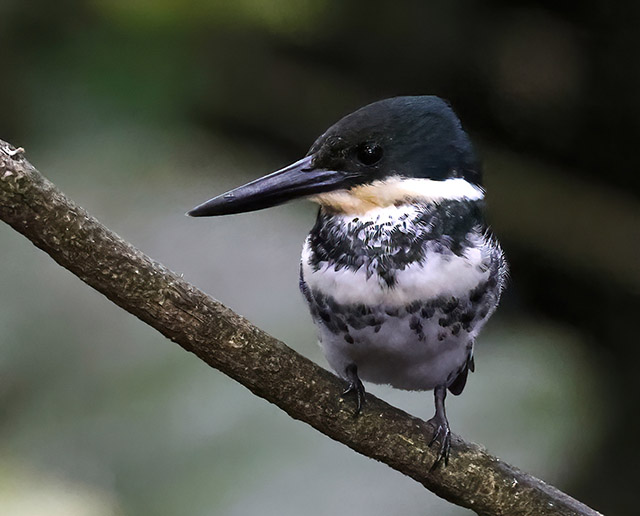
Then it was already 9 a.m. and it was time to head towards Rio Platanillo to search for our next target. First we stopped to a bridge and walked both directions along the river but couldn’t find anything else than a Green Kingfisher. So we soon continued to a beautiful valley where we kept on walking along the river but still couldn’t find our target. We saw some Northern Waterthrushes and Buff-rumped Warblers and a Torrent Tyrannulet. After all we drove back to the same bridge and tried once more there. Saul went to another direction and I went with one photographer to another while the rest stayed on the bridge. Luckily soon we heard a whistle and we could see Saul smiling.

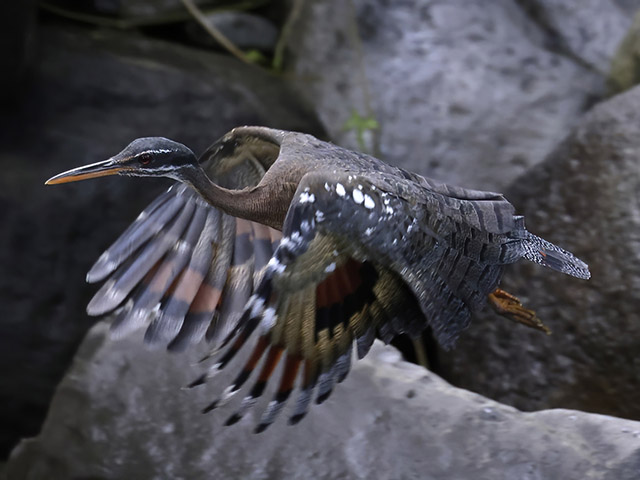
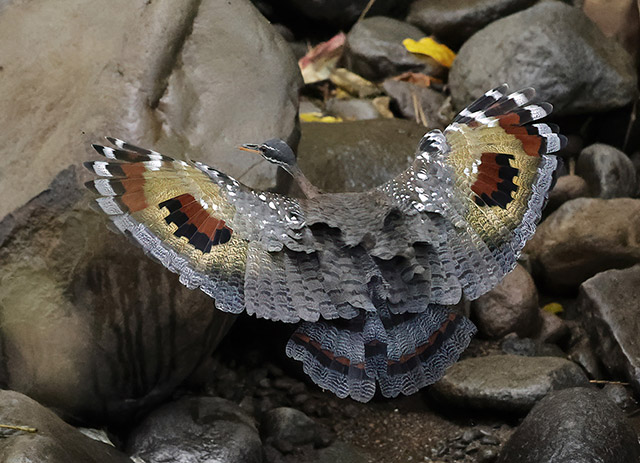
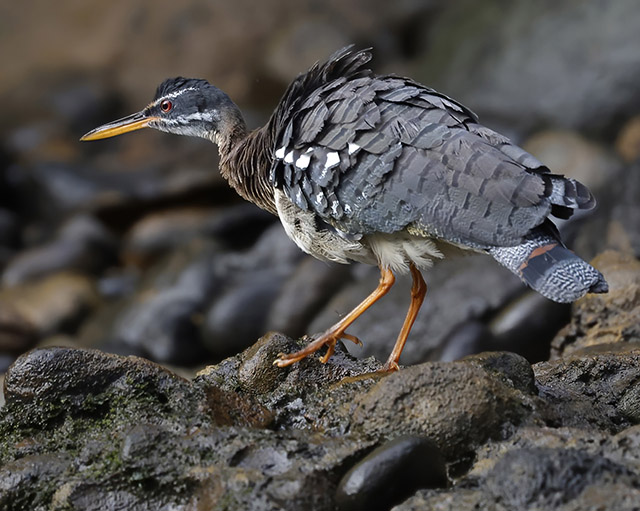
So we followed him and soon saw a couple of Sunbitterns feeding along a small ditch. Unfortunately birds heard us coming and they walked further and then flew to the river. We followed them and luckily found them soon and the next hour or so we were photographing these beautiful birds.

After lunch there was some free-time as we had got pretty intensive beginning on our tour. Anyway it was easy to do whatever anyone wanted in Rancho Naturalista, easiest plan was to stay on the balcony and photograph birds there.

I decided to go out for a walk and I managed to hear a couple of Dull-mantled Antbirds at so called hummingbird-pools. I tried to playback them visible but couldn’t see them at all. Then with one photographer we tried and managed to find a recently built view-tower but unfortunately trails were too muddy to visit the tower later with the whole group. We didn’t see almost any birds either but of course early morning visit could’ve been very different.

After dinner we went to walk along the trail with flashlights and managed to find almost all the same spiders, bugs and frogs that I had seen on the previous evening. It was surely unforgettable experience for all participants.

On the 24th of November because of the late evening-trip we had planned to sleep longer and meet at breakfast. So I was able to try something crazy. I woke up very early and already at 4 a.m. I started climbing up along the trail. It was a long, slippery and very hard walk to the furthest part of the trails until a view-watching place.

On the way I had seen only a couple of Wood Thrushes and I finally reached the view-place before the sun was rising. Soon more birds started to wake up and call and I heard a Barred Forest Falcon, a Rufous Motmot, a Fasciated Antshrike, Grey Antbirds, Checker-throated Stipplethroats, Fawn-throated Foliage-gleaners and Chestnut-capped Brushfinches. But I couldn’t hear my target-bird which had been called in different parts along the trails for last month. Taylor had even heard this Grey-headed Piprites in this exact place on the previous morning after one week absence.

Unfortunately I had only 15 minutes or so good weather before it started to rain very hard. I waited the rain to stop and then still walked a little bit along the trail and played calls and song of piprites but without answer.

Finally I had to give up and start walking back down along very slippery trail. I was even running as I wanted to get to breakfast and somehow I managed to get there exactly in time without falling on the muddy trails.

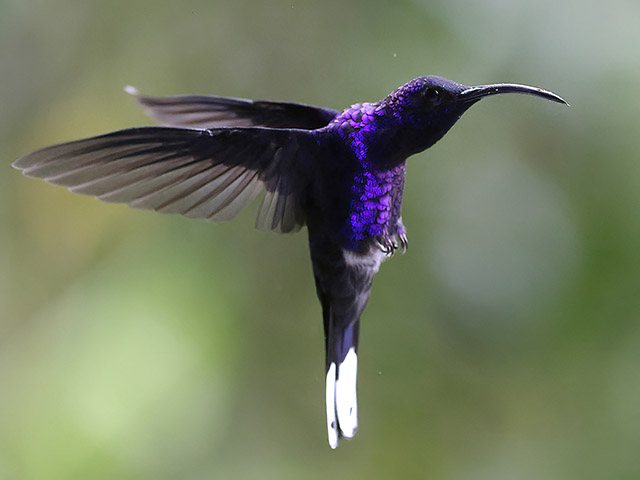
It was raining a lot in the morning so we were mostly staying on the balcony and just took it easier. Anyway we managed to see and photograph a Violet Sabrewing and a Green Hermit and I also saw a Green Thorntail briefly on verbenas. In the garden we also saw a Plain-brown Woodcreeper.

When it wasn’t raining too much, we were birding nearby until lunch but didn’t see much. I saw a Swainson’s Thrush and a Northern Plain Xenops and then from balcony I saw an American Redstart and a Blackburnian Warbler. But after lunch it was time to head towards new adventures.

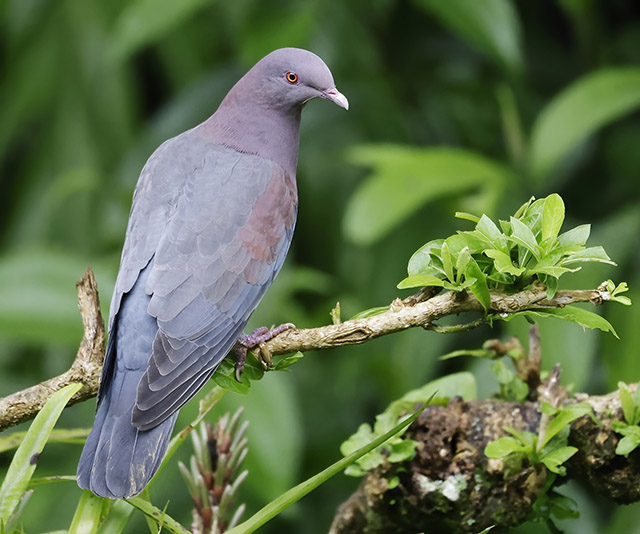
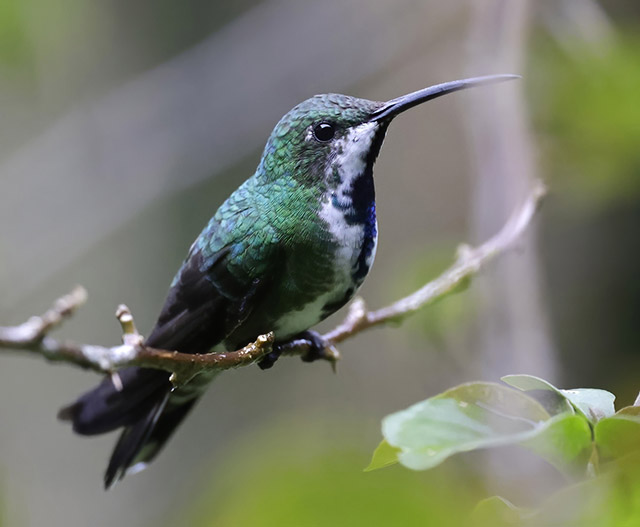
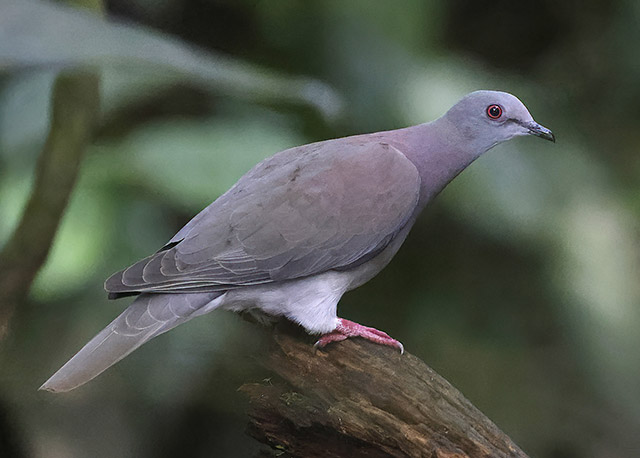
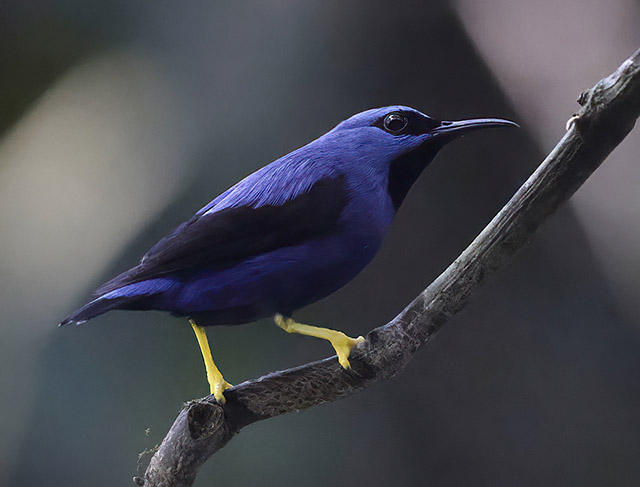
Red-billed PigeonGreen-breasted Mango

Photographing on the way

On the way we made a stop in La Hoja Garden which was very nice place to photograph common birds visiting the feeders. The background was very good for photographing and it was really a worthy stop.

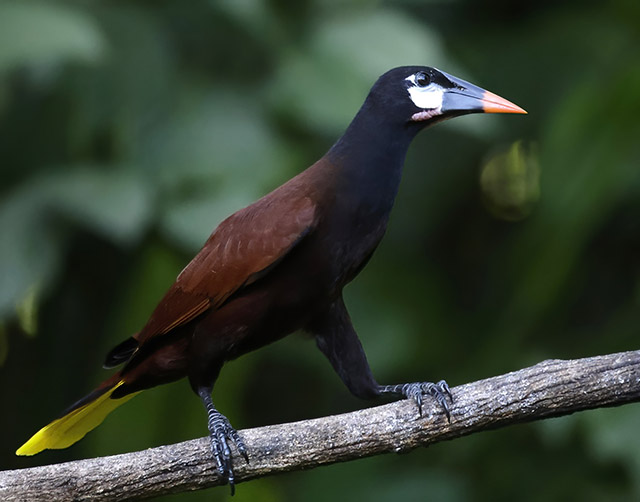
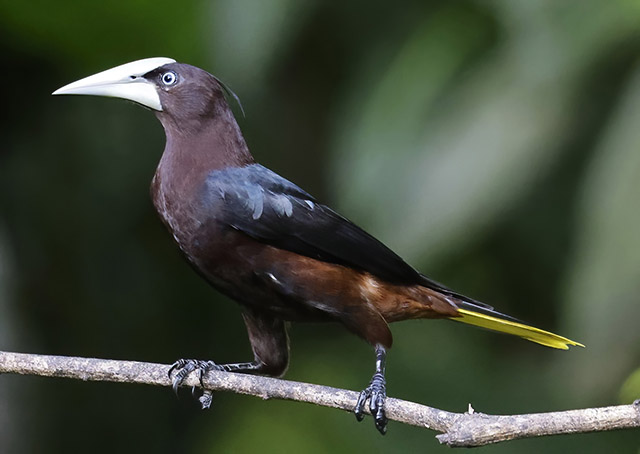
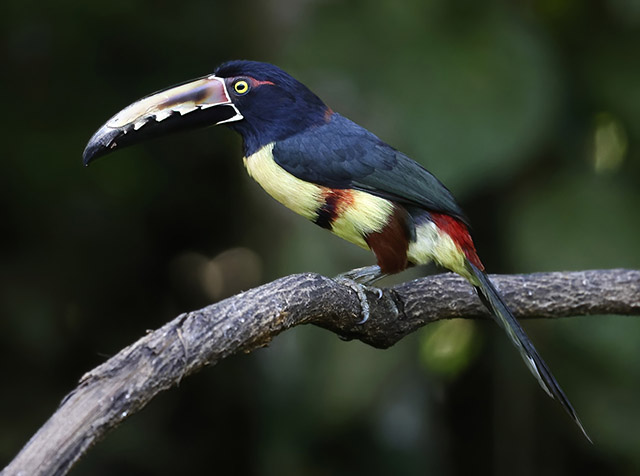
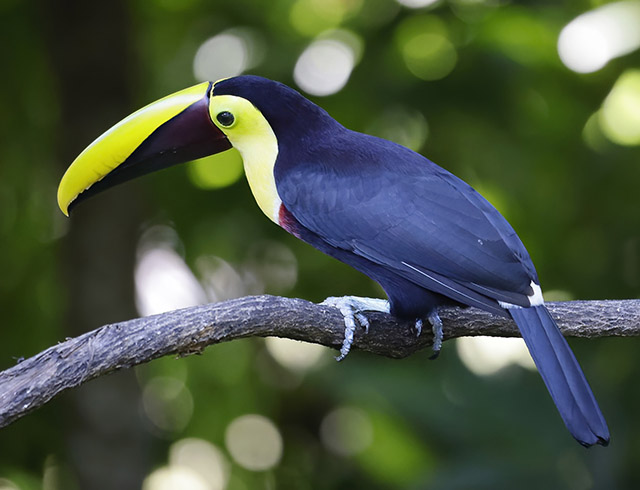
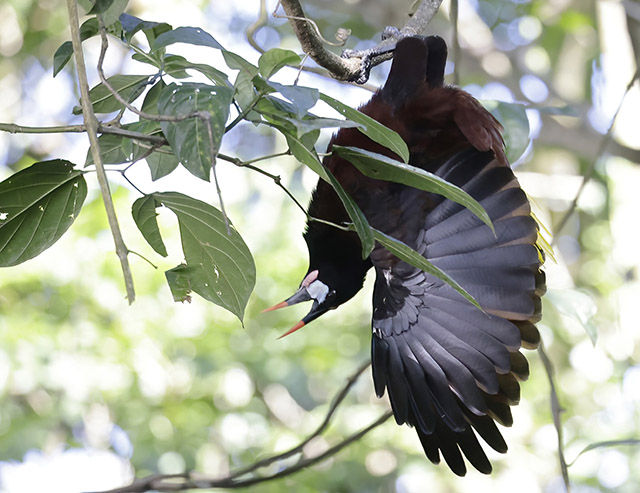
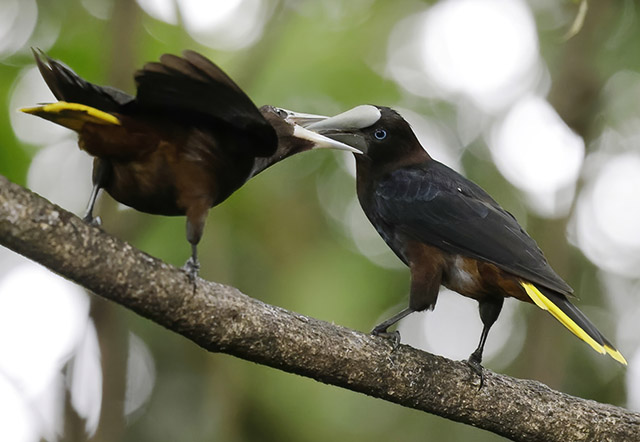
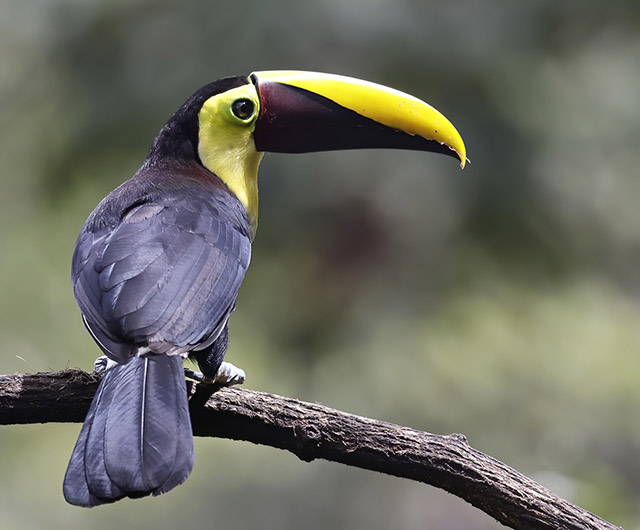
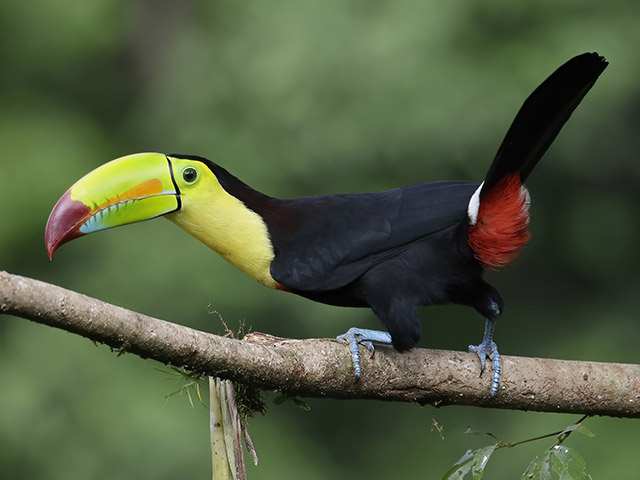
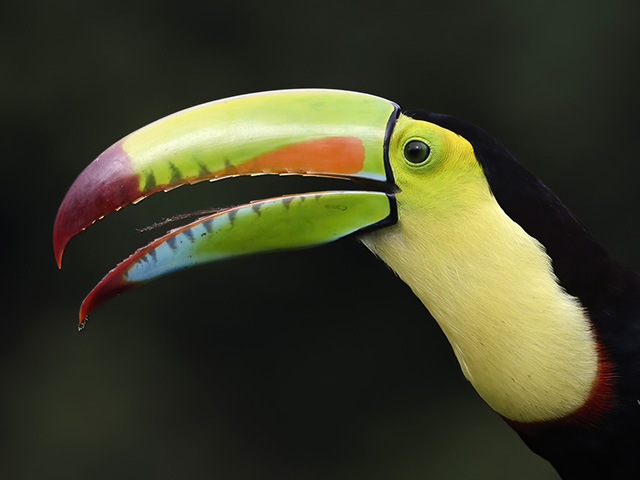
We got pictures of a Russet-naped Wood Rail, Red-legged and Green Honeycreepers, Montezuma and Chestnut-headed Oropendolas, Black-cheeked and Hoffmann’s Woodpeckers and so on. The main-birds here were toucans which we now saw the first time with the group. It was good to see and photograph Collared Aracaris and a Yellow-throated and a Keel-billed Toucan.

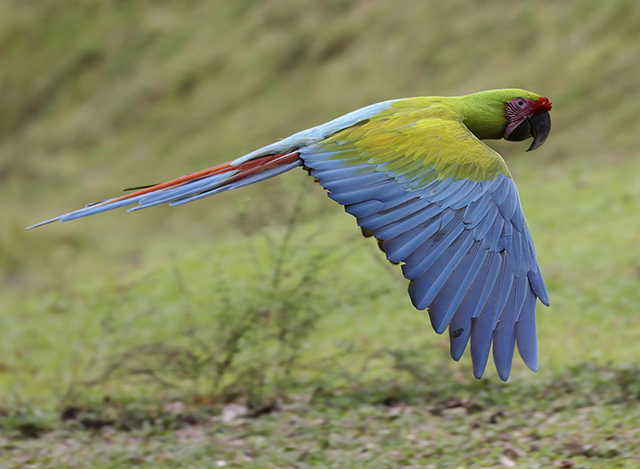
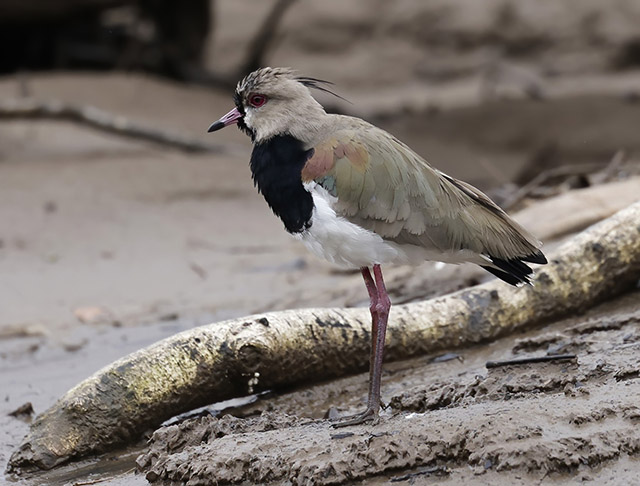
After La Hoja Garden we still had a long drive and somewhere close to Puerto Viejo we saw a Muscovy Duck and an Osprey in flight, some Southern Lapwings on one field and then the first Great Green Macaws in flight.

Around Selva Verde

We arrived at Selva Verde Lodge when the sun was already setting. So all we had in program was to get our rooms and then have dinner.

The morning of the 25th of November was again rainy. Anyway I walked around the short trail that was nearby. Even though we had been in Selva Verde Lodge before, our accommodation had been on the other side of the road on cottages and then we had been birding mostly there. I managed to find a Ruddy Quail-Dove, a Belted Kingfisher, Red-lored Amazons, a Wedge-billed Woodcreeper and a Chestnut-backed Antbird.

After breakfast we drove almost an hour to Cope’s Garden where we had booked photographing-session and also a short walk in a forest nearby to see some target-birds.

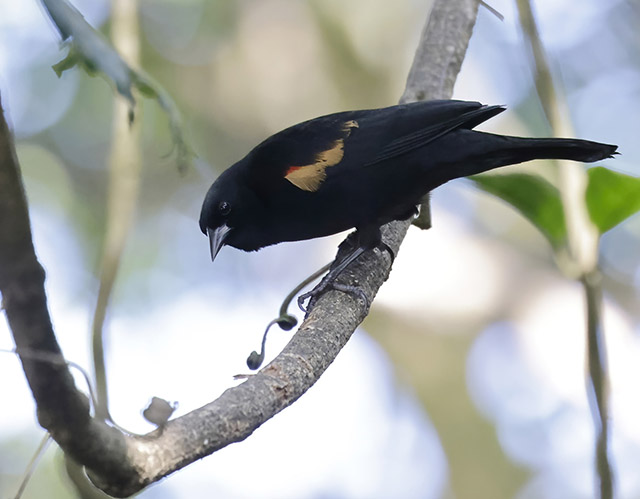
Cope’s Garden was really just a garden almost in the middle of a village, but what a garden Cope had! Even though it was pretty dark place, it was a perfect place to photograph birds that were visiting the feeders. We got good pictures of Pale-vented Pigeons, oropendolas, Shining Honeycreepers, Great-tailed Grackles, Red-winged Blackbirds and many other species.

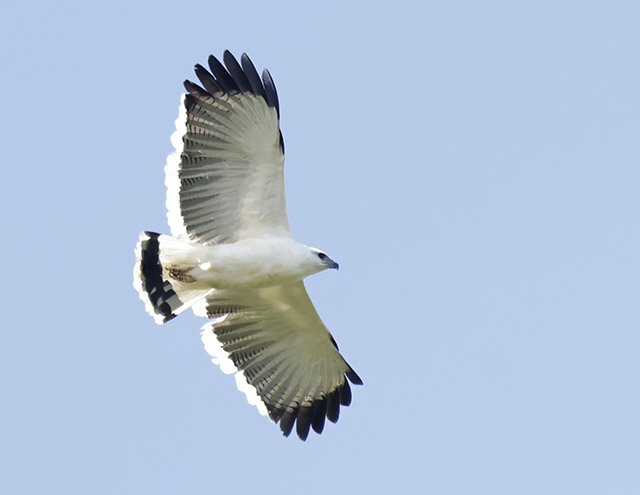
Once Cope shouted us to come to the road where our car was as there was a White Hawk soaring on the sky and we found also a Black Hawk-Eagle that was very high above it.

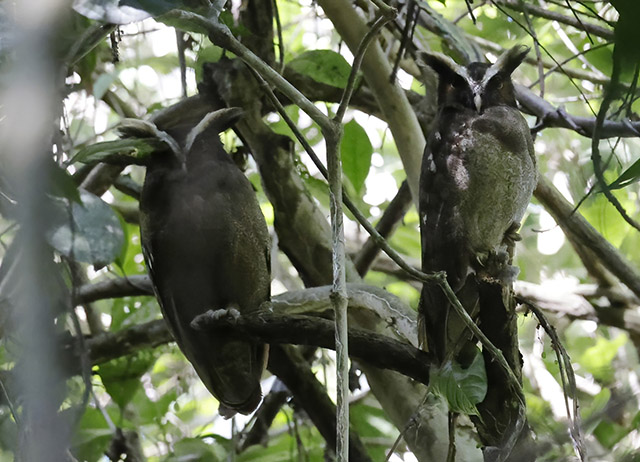
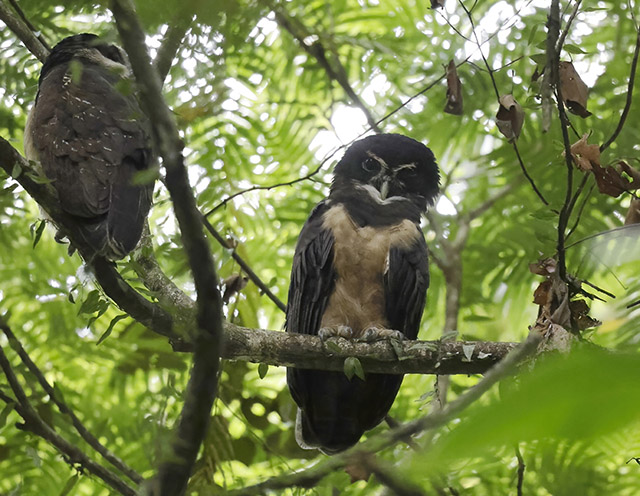
Pretty soon we got into our car again wearing rubber-boots that Cope had for us. We drove a short distance before parked our car and started walking along a small trail into forest. First we went to see a Crested Owl couple and then continued to another forest where we saw a Spectacled Owl couple. On the way we saw also small bats, Bullet Ants and our first Mantled Howlers.

When we were back at Cope’s Garden, we still photographed a Green Kingfisher that visited the pool a couple of times and of course some other birds before it was time to hit the road again.

On the way we saw a couple of Neotropic Cormorants before we parked to Frog’s Heaven which was much closer to our accommodation.

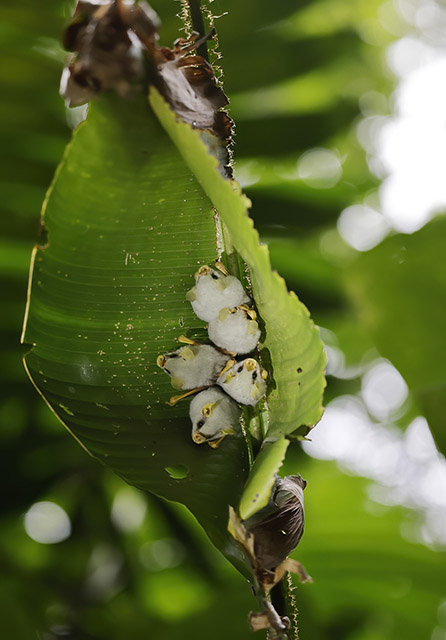
After lunch we walked along the trails with a guide and we saw a Wood Stork, a White-whiskered Puffbird, a Rufous-winged Woodpecker, a Thick-billed Seed Finch, a couple of Red-throated Ant Tanagers and so on. We also photographed Lesser Sack-winged Bats which were hanging on a tree-trunk and Honduras White Bats that were hanging under a big leaf. Then we stopped to a shelter where we had the next program – we were going to photograph different kind of frogs and snakes.

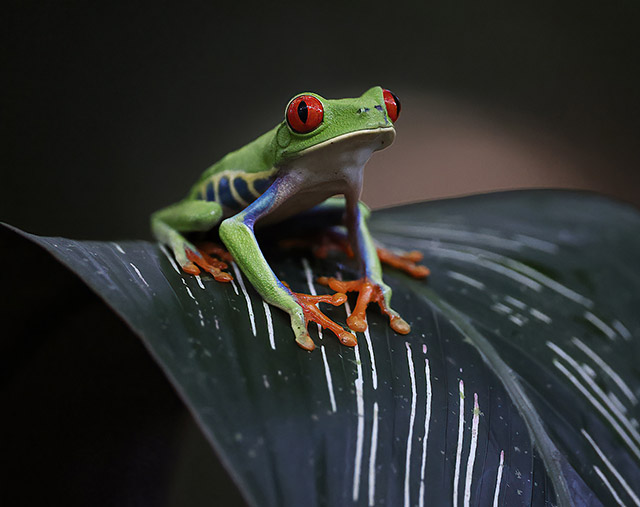
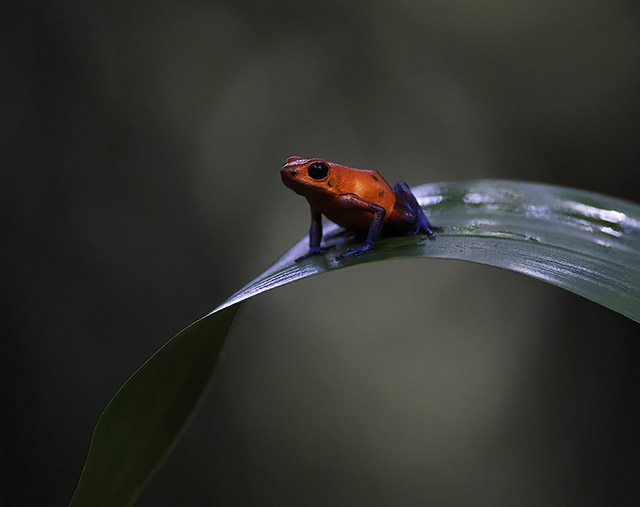
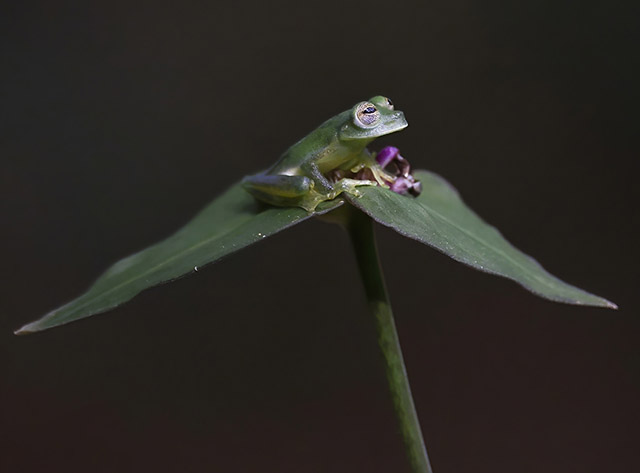
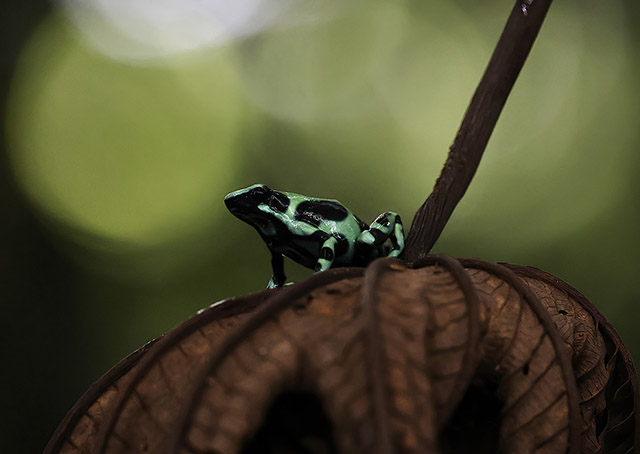
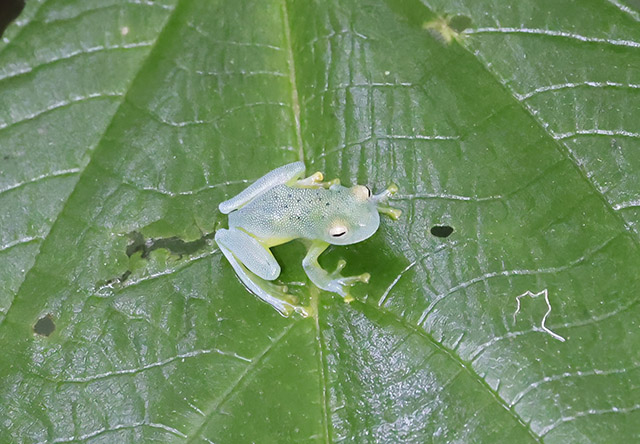
Our guide carried different kind of animals for us to photograph, we started with a Red-eyed Tree Frog, Emerald Glass Frog, Strawberry and Green-and-black Poison-dart Frog. Some frogs were a bit too active and jumped to the ground while some tried just to lie down on the leaf where they were supposed to pose for us. So our guide had to really work hard for our pictures.

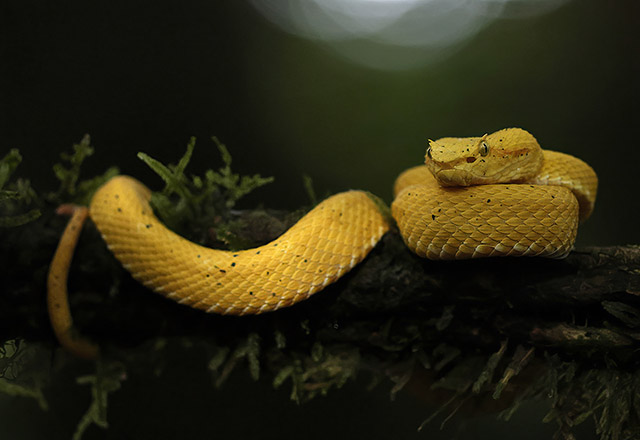
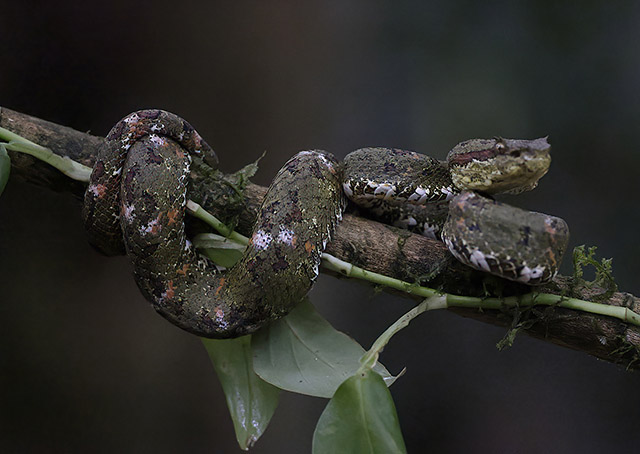
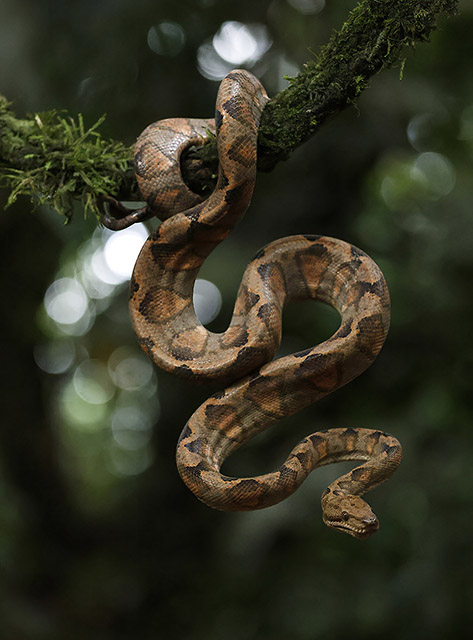
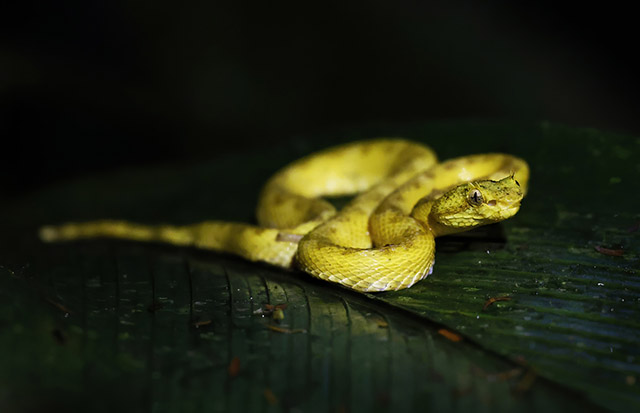
And after frogs we continued with snakes. First we photographed two different color-morphs of Eyelash Viper and then the last snake was a stunning Annulated Tree Boa.

Finally we were happy with all the pictures and it was time to drive back to Selva Verde Lodge when sun was already setting.

On the 26th of November our schedule was again tight and already before 6 a.m. we were driving a short distance to Puerto Viejo and Rio Sarapiqui where we soon found our a river-boat and left sailing with our guide – one more David and his father Jose.

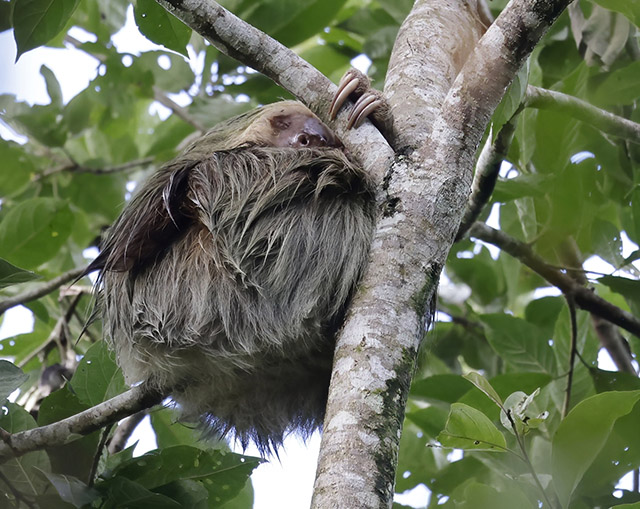
Very soon we saw a Hoffmann’s Two-toed Sloth on a top of one tree, which was a lifer for me too. Then we also saw a Spectacled Caiman but it was still too dark to get pictures.

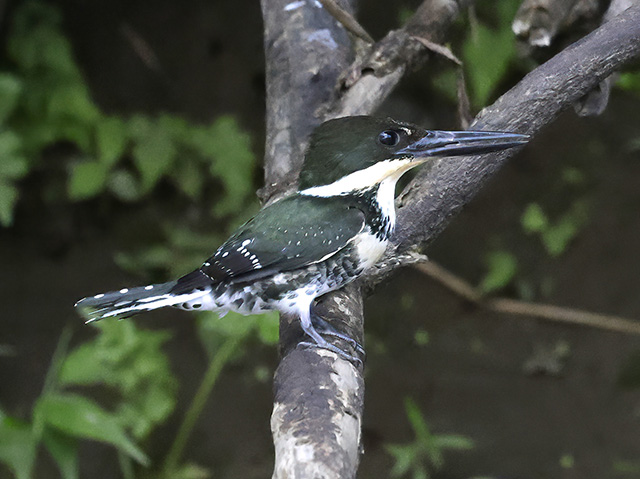
There weren’t many birds along the river but soon we saw some Spotted Sandpipers, a Great Blue Heron, a Ringed Kingfisher and some Green and Amazon Kingfishers. Then David showed us a couple of Bay-breasted Warblers and after some more sailing we found a stunning Sunbittern which was really posing well.

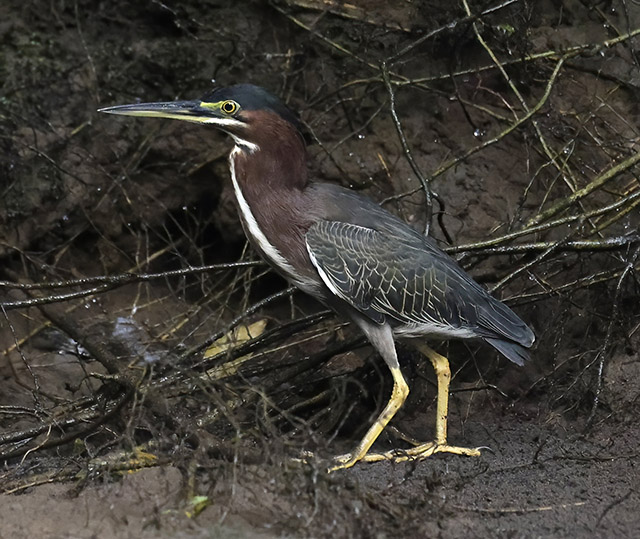
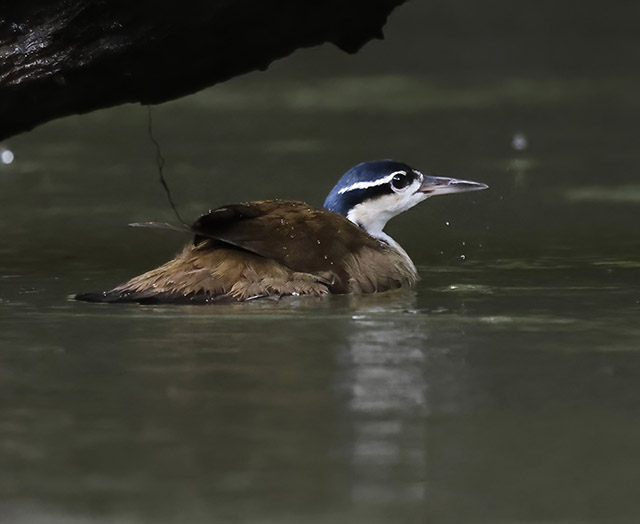
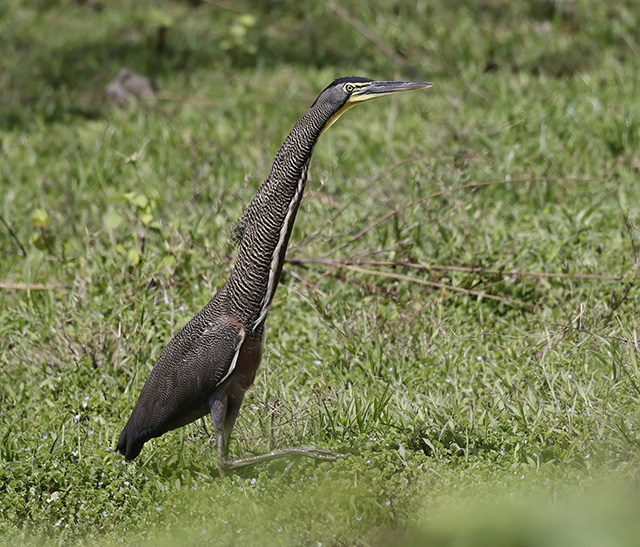
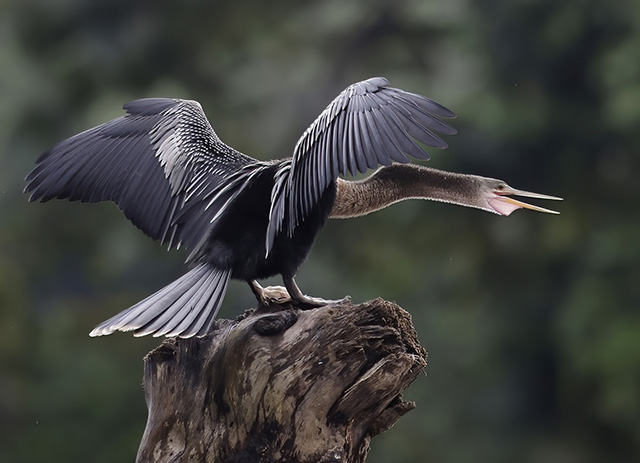
We still saw an Anhinga, a Green and a Bare-throated Tiger Heron, Green Ibises, a Masked Tityra and some bats that were hanging under a liana. Then we were finally on the area for the main target-species and pretty soon Jose noticed it feeding under a big log – a Sungrebe! We were following and photographing Sungrebe for a long time as it was almost all the time very well visible. Surprisingly we were very close to the bridge of La Selva Biological station where we had been on our first trip to Costa Rica. But then it was time to head back towards Puerto Viejo.

We boated back very fast and were exactly on time at the harbor. We had really enjoyed our two hours boat-trip.

We had breakfast at lodge and took some more camera-gear with us and I also managed to photograph an Ochre-bellied Flycatcher in the garden before we started driving again. It was almost an hour driving to Alvar’s Macaws where we parked to garden in heavy rain.

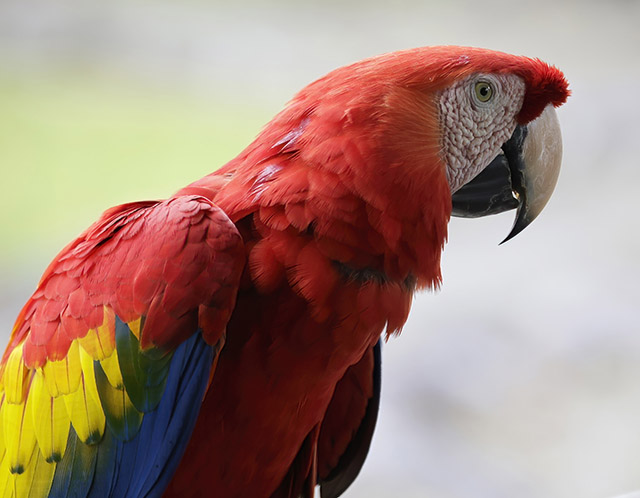
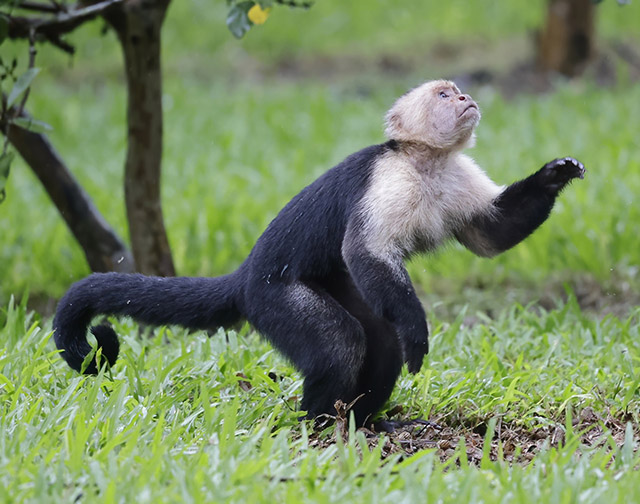
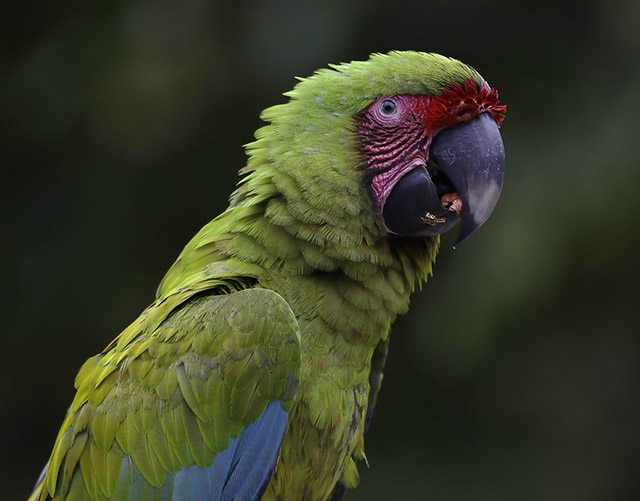
There were some tame Scarlet and at least one Great Green Macaw in the garden but also several hybrids. When the rain stopped we walked to the garden and soon found some tame White-faced Capuchins to photograph. There were several cages with different kind of parrots in the garden too.

Soon also a younger boy accompanied us and we were told to follow our leaders towards an open grassy area.

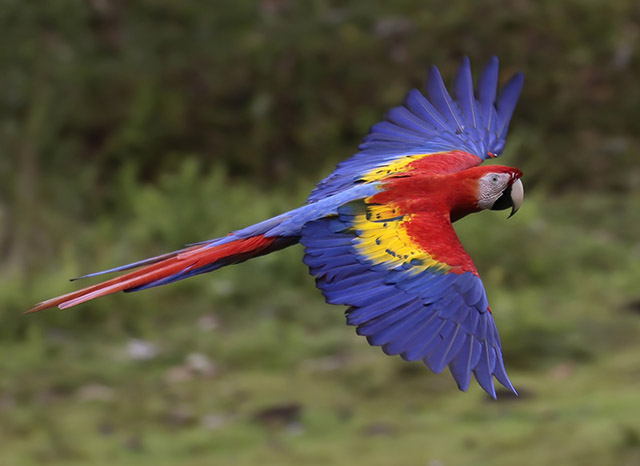
They started to shout “Lapapalapa” and some macaws followed us to this grassy area where 2 roosts for macaws were. Then the boy started to walk from roost to another calling the macaws to follow him and his nut-bucket. We stood somewhere in the middle and tried to get flight shots of macaws which most of them were again hybrids. The story that I had read earlier told that in this place where Alvar had earlier taken care of some injured macaws had been one mixed pair, but it seemed that this pair had been very productive and now there were more hybrids than pure birds. Luckily the same story had told that these hybrids were infertile.

Once a bigger flock of Scarlet Macaws with some Great Green Macaws visited the opening and after all we managed to get some pictures even from pure Scarlet and Great Green Macaws.

And of course it started to rain again very hard so we decided to give up as our cameras were getting soaking wet.

We had lunch on the way at idyllic Soda Marielos and in the afternoon we were mostly relaxing as it was still raining all the time.

In the evening I walked to the closest shop along the road and of course it started to rain very hard again and I had to change all dry clothes for the dinner.

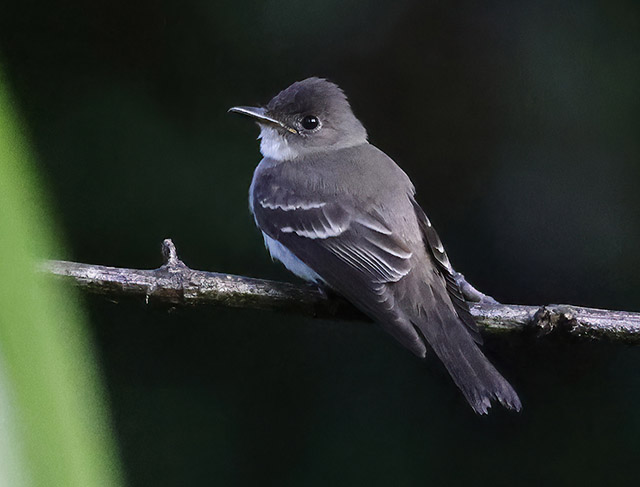
On the morning of the 27tg of November we were still in Selva Verde and the weather finally let us walk the short forest-trail there. The first walk I made alone and saw some Green-and-black Poison-dart Frogs, a couple of Grey-chested Doves and on the forest behind the restaurant I found an Ovenbird. Later we walked exactly the same route with the group and managed to get pictures of a White-collared Manakin and saw an Eastern Wood Pewee.

/>

After breakfast it was time to pack our car and drive a short distance to Dave & Dave’s where we had booked another photographing session. Luckily Pablo had managed to change our session to begin 30 minutes earlier and we met younger Dave (probably their real names were also David?).

We were photographing both on the shelter where fruit-feeders were on both sides and on the terrace where hummingbird-feeders were. Most of the species we saw were the same that we had seen earlier but Dave was really good guide and he also told us interesting stories about the place, birds and so on. And meanwhile we got nice pictures of a Russet-naped Water Rail, toucans, Collared Aracaris, same woodpeckers and hummingbirds which Scaly-breasted Hummingbirds we hadn’t seen earlier. Other nice species were Red-throated Ant Tanagers, a female Shining Honeycreeper and Buff-throated Saltators.

After some photographing my camera got some condensation inside and I had to go to the park for a walk and keep my lens towards the sun. Luckily I got moist away pretty soon but of course meanwhile the others had seen a Tayra visiting the feeder.

After a couple of hours we said thanks to Dave and left for a longer drive. Pablo was driving first along bigger roads but later the roads got smaller and worse when we started to climb up to the mountain. On the way we saw a Peregrine Falcon and after a long drive we finally arrived to Bosque de Paz which situates between Juan Castro Blanco and Poas National Parks.

Bosque de Paz

In Bosque de Paz we got our rooms and then hurried to have lunch which was the reason we had been in a hurry.

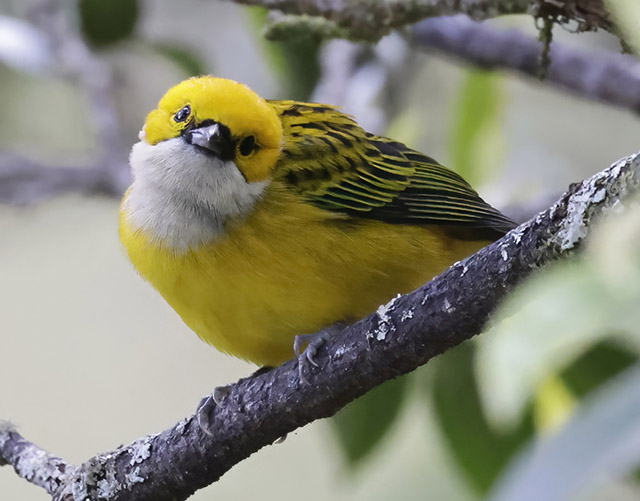
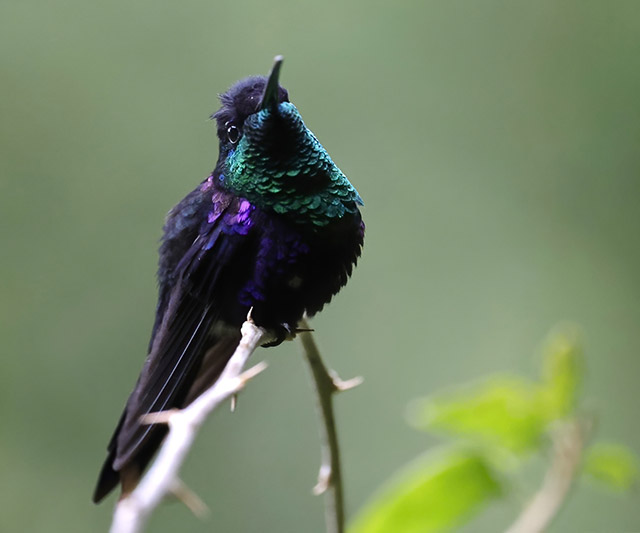
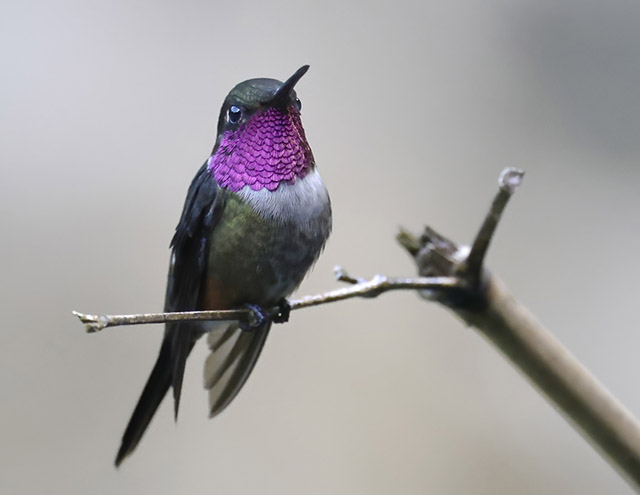
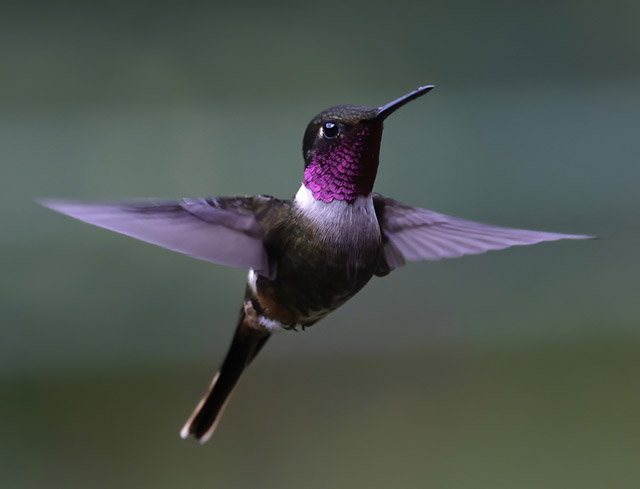
There were feeders in the garden and immediately we saw some Black Guans, Silver-throated Tanagers and on the hummingbird-feeders there were lots of action as there were Green Hermits, Green-crowned Brilliants, Violet Sabrewings, Purple-throated Mountaingems and most importantly also a couple of Magenta-throated Woodstars which another bird was a gorgeous male!

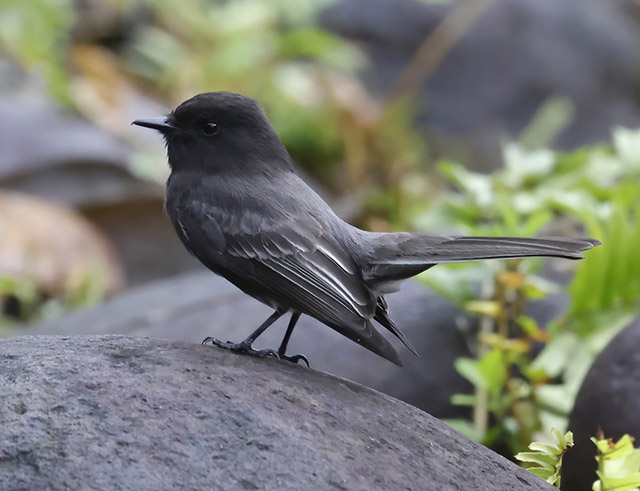
In the garden there was also a Black-bellied Hummingbird visiting verbena-bushes so it was easy to spent whole afternoon just in the garden and terraces. The staff of Bosque de Paz was amazing helpful and one of them kept on changing more and more beautiful flowers for hummingbirds. In the garden we also found some Black Phoebes, Common Chlorospinguses and a Slate-throated Whitestart.

After dinner a small group still gathered in the garden and we followed our hosts inside a small orchid-garden where we hoped to see a shy bird moving in the shadows. After some searching our guide thought to see something but whatever it was it disappeared too soon. And the same happened a couple of times until finally another guide clearly saw something. He pointed the direction and we managed to see a small bird perched on a small stone and flicking its wings a couple of times before disappearing to the shadows again – a Scaly Antpitta!

Later I went by myself back to orchid-garden with my thermal-camera and managed to see at least one, maybe two Scaled Antpittas but again very briefly. I also saw several unidentified thrushes, found a couple of tanagers sleeping on the trees and one owl-looking bird flying over me.

On the early morning of the 28th of November I tried to see antpittas again and saw one again very briefly but still couldn’t get any pictures.

Day was again very rainy so we were happy that we had already spent a lot of time with hummingbirds on the previous afternoon – now there was much less light. Most of the birds were just perched somewhere in shelter from the rain.

With Pablo we went to check the trails and they were really nice and in good condition, so later we visited the trails with different line-ups. Some of the group wanted to walk more like exercise and with some we were walking very carefully and slowly which is of course a better way for finding animals.

After all I was walking along the trails quite a lot and managed to see a Sunbittern, a Collared Forest Falcon, several Yellowish Flycatchers, a Black-faced Solitaire, Ochraceous Wrens, Golden-crowned Warblers, a Black-and-white Warbler, Slate-throated Whitestarts and also a couple of Collared Peccaries.

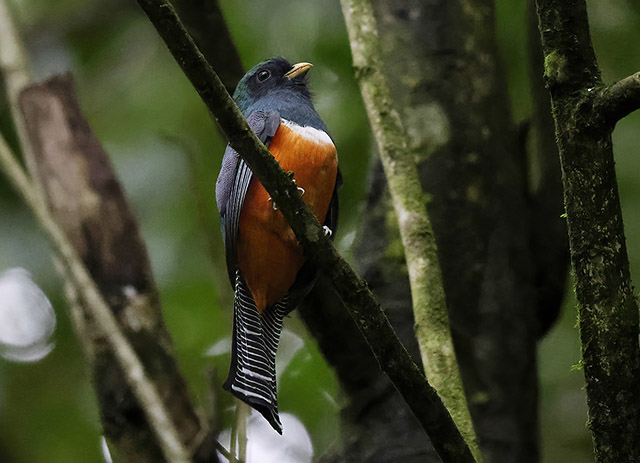
When we were having lunch on of the hosts came to tell us that there was a Collared Trogon outside. Of course we followed him immediately and managed to get pictures of this beautiful bird which I had actually never seen before even though I had heard plenty.

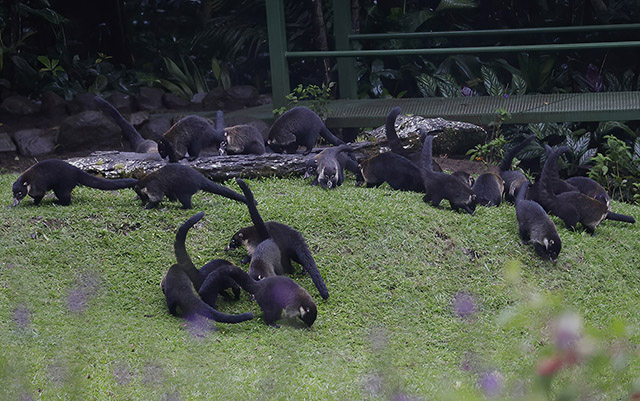
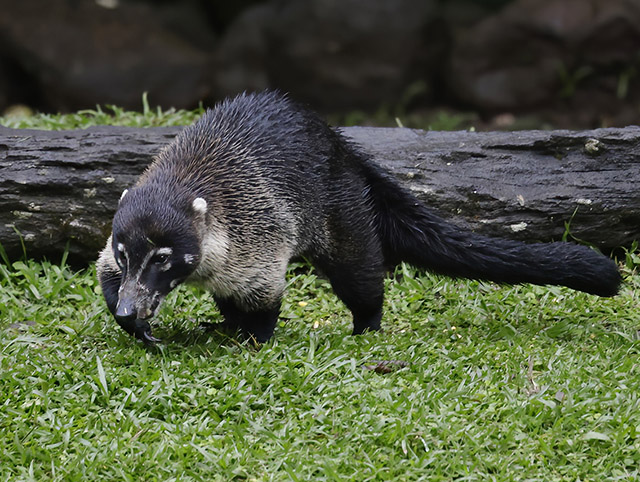
The rest of the day was spent in the garden and terraces photographing hummingbirds. I managed to find one Stripe-tailed Hummingbird from the bushes too. We also saw a big bustling herd of White-nosed Coatis visited the fruit-feeder.

Right after dinner one of the hosts came to tell us that there were a few Common Raccoons visiting the feeder and we managed to see them on torch-light but they were very shy and escaped to the shadows. Later a small group visited the orchid-garden again and finally I managed to get a couple of pictures of a Scaled Antpitta before it rushed over the road to the forest.

On the 29th of November we spent the morning still in Bosque de Paz and once again I saw a glimpse of an antpitta but then it started to rain again. Anyway I went to walk around the best trail and I managed to find a good mixed flock of birds where I managed to identify several warblers including a Tropical Parula, a Flame-throated and a Black-eared Warbler.

Between the rains we were once again photographing hummingbirds but after all it was time to pack our car and hit the road.

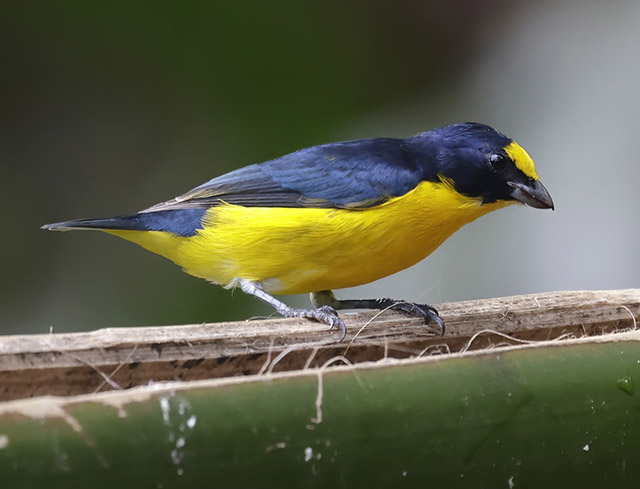
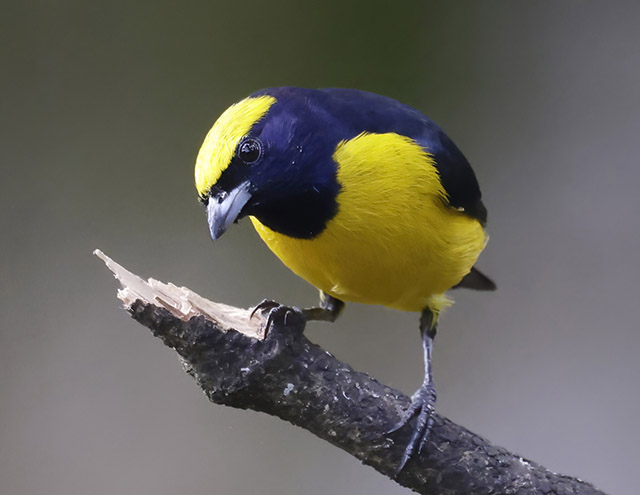
Again we hadn’t got very long distance to drive but roads were very slow and driving 100 kilometers took more than 2 hours. Along the way we had lunch in homey Café Mila where we saw some Yellow-throated and Yellow-crowned Euphonias visiting the feeder.

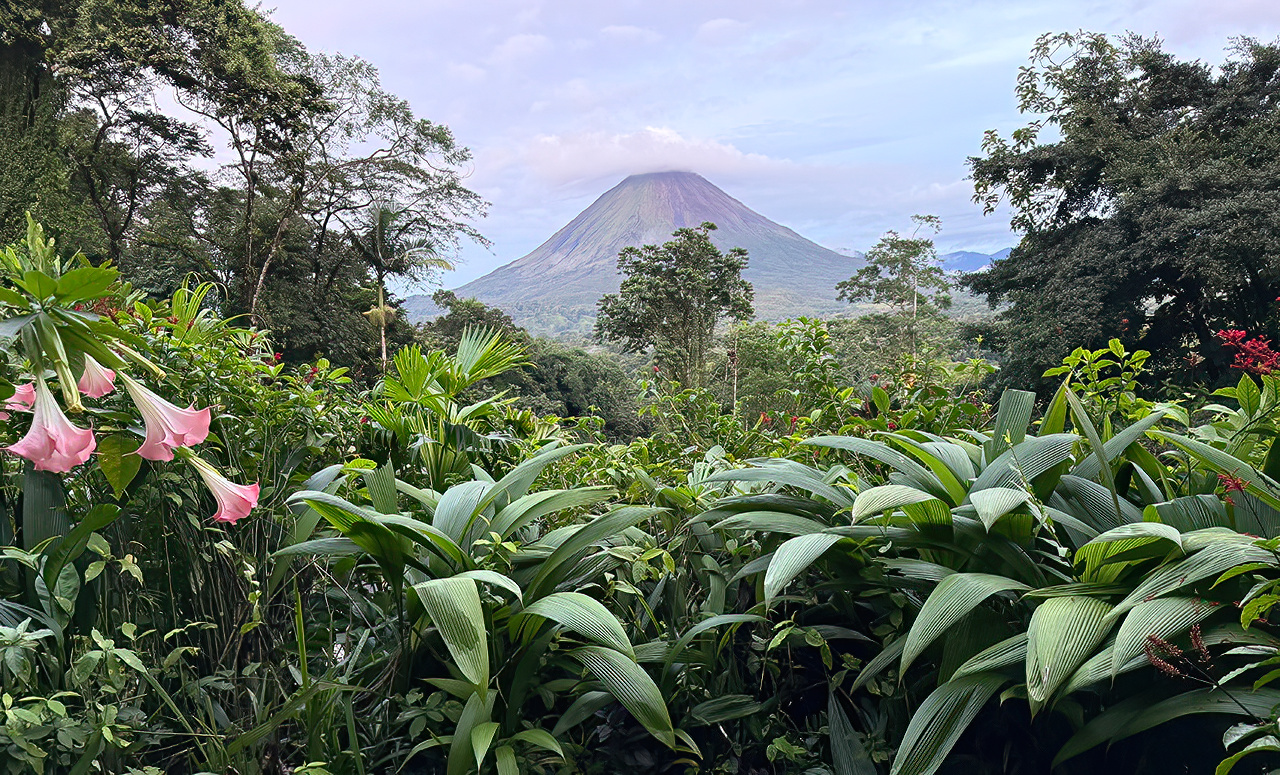
Then the rest of driving was made in flatter rural landscape where we saw a Laughing Falcon and some Crested Caracaras on the way. Finally a photogenic Arenal was visible and soon we had to stop and take first pictures of the volcano.

Around Arenal

Finally we had climbed close to Arenal and parked to Lost Iguana Resort. There we got our rooms so that a couple of us had rooms on the top of one road and the rest of us on the top of another road. Of course my room was on the top of steeper uphill.

We hadn’t some free-time so I had planned to walk in the gardens of the resort but I had so stunning view to the volcano from my own terrace that after all I was just sitting there and enjoying the view. I soon found out that many birds were visiting a fruity tree nearby and I saw lots of different colorful tanagers and other birds. Some of the best birds were Scarlet-thighed Dacnises, an Emerald Tanager, Rufous-winged and Carmiol’s Tanagers and so on.

Then I did a short walk in the garden and from hummingbird-garden I found some Great Curassows but then it started to rain again and the rest of the evening I just relaxed on my own terrace.

On the morning of the 30th of November it was once again raining but I soon heard a strange bird singing outside and decided to try if Merlin would help me to identify it. Surprisingly Merlin suggested Bare-crowned Antbird. I rushed out and luckily the bird was so close that I could stay under the roof and playback the call. It took a long time but finally I saw the bird moving closer to my speaker but it was moving too quickly. I had to be very patient but it paid the price and finally I saw, and even got a couple of very poor-quality pictures of it and it really was a Bare-crowned Antbird! I also heard a Thicket Antbird and a Grey Antbird even though I just stayed under the roof all morning.

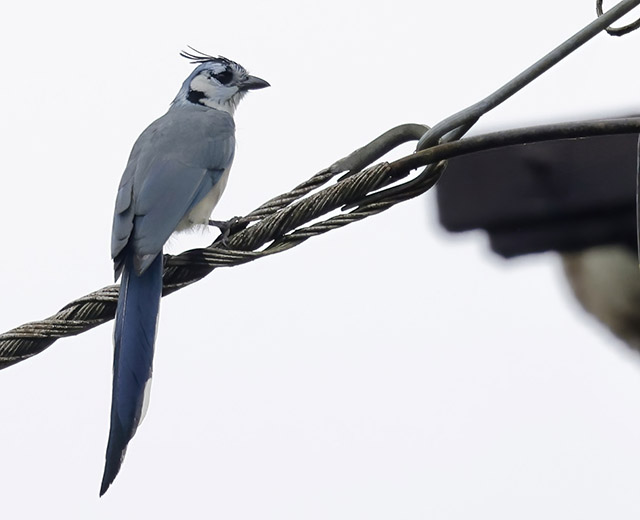
After breakfast we headed to La Fortuna and saw a White-throated Magpie-Jay and a Grey Hawk before we turned to Sloth Territory. After a little wait we met our guide and followed him to the trails. Soon we saw the first pennant that guides had put up to point towards a place where a sloth had been in the morning.

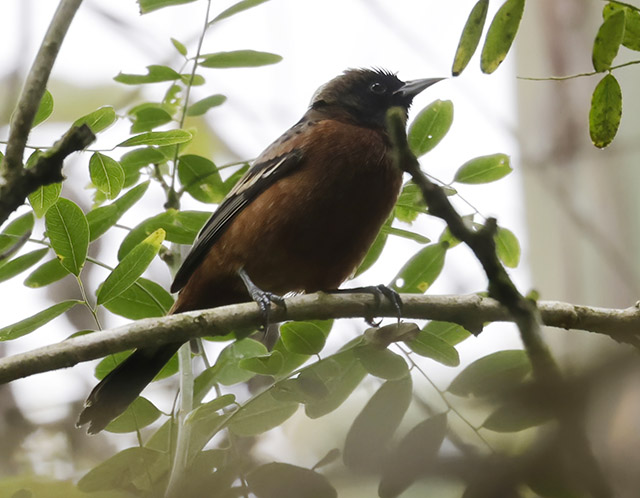
Our first sloth was pretty well visible and it was a Hoffmann’s Two-toed Sloth. Later we saw several Brown-throated Sloths, but they all were very high on the treetops. Our guide was very good and he showed us many other birds and animals too which some of the best ones were a distant Harris’s Hawk, a couple of Rufous-tailed Jacamars, a Broad-billed Motmot, a White-collared Manakin couple and so on. I also managed to see an Orchard Oriole, a Streak-necked Flycatcher and heard a Striped Cuckoo.

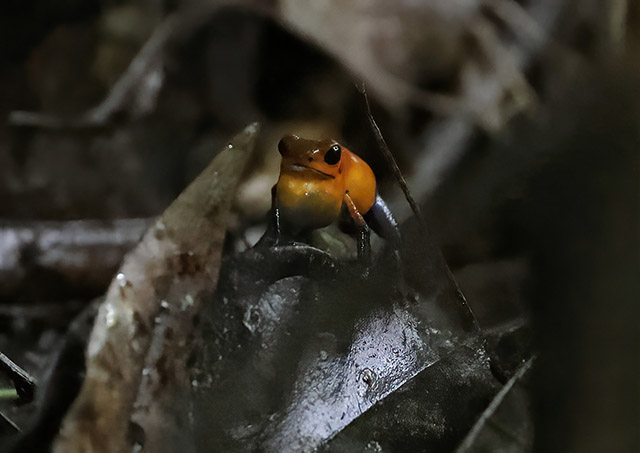
Our guide (whose name I unfortunately forgot as he wasn’t David) also showed us a couple of different species of Glass Frogs and Strawberry Poison-dart Frogs which one of them was calling actively. It was again raining very hard awhile but luckily the rain stopped as quickly as it had started.

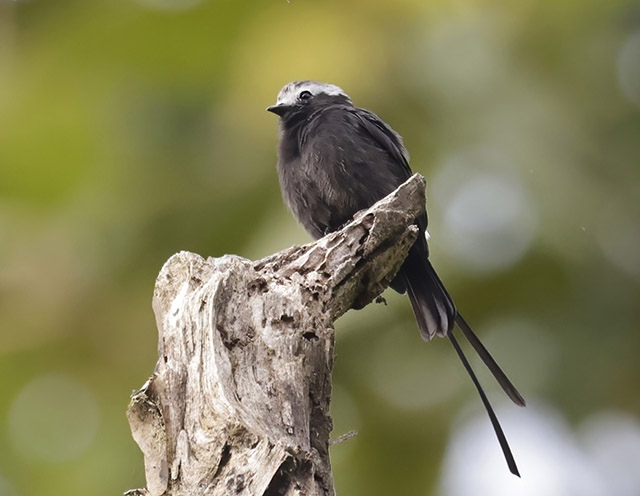
In the afternoon we walked the Puma-trail in Lost Iguana Resort and even thought we didn’t see many birds a Wedge-billed Woodcreeper and a Tawny-faced Gnatwren were nice. Once we were back in the garden we saw a Long-tailed Tyrant and I saw a Purple-crowned Fairy briefly.

The rest of the evening I sat again on my terrace and waited new birds to come to fruiting tree. And I was lucky as I saw a couple of Yellow-billed Caciques, lots of tanager and some toucans. Bay and Black-throated Wrens were singing even in the evening but I must say that for some reason we hadn’t heard many birds singing at all during our trip.

We had dinner again in lodge’s restaurant and after that it was nice just to relax in a very comfortable room.

On the morning of the 1st of December it was raining again and Bare-crowned Antbird was calling only a couple of times. When the rain finally stopped I walked a little in the garden and managed to see a Black-crested Coquette and a Blue-throated Sapphire but then it started to rain again.

At breakfast time the weather got clearer so we stayed in our plan and soon drove about 1km uphill to Mistico Park and after we had bought the tickets started to walk around the trail.

After some walking we found the first mixed flock of birds where were a White-throated Shrike-Tanager couple and several Carmiol’s Tanagers.

We also saw a Northern Barred and a Spotted Woodcreeper, a Sulphur-rumped Myiobius and Tawny-capped Euphonias before it started to rain. Luckily the rain stopped just before we reached the first hanging bridge so we managed to take nice landscape-pictures.

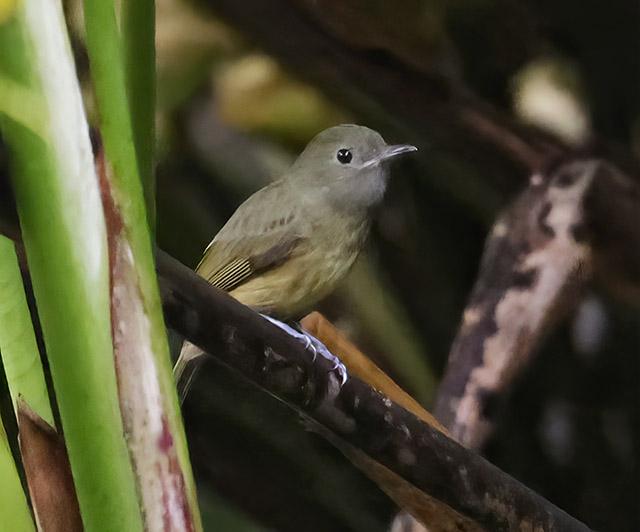
The trail was really nice and easy to walk but a little bit longer than we had thought. From one of many bridges we managed to get pictures of a Crested Guan and after some more bridges we found another mixed flock which had at least Russet Antshrikes, Streak-crowned and Plain Antvireos, Checker-throated Stipplethroats, Slaty Antwrens and also a leaftosser-looking bird which was moving on the ground but disappeared too soon. When the flock had disappeared I found a White-fronted Nunbird above us. And after some more walking I heard familiar calls of a Dull-mantled Antbird and just before we were back at the parking place we saw a Rufous Motmot.

At Lost Iguana Resort we still climbed to our rooms and had some time to pack and so on. Then we got again transportation for our luggage, packed our car and were soon driving towards north.

Laguna Lagarto

We had about 2 hours driving and on the way we saw a couple of White-tailed Kites and a few Scarlet and Great Green Macaws and so on before we stopped in Cuyito for lunch. We ate in nice restaurant that was in the middle of farmland and on the nearest field we saw Green Ibises, a flock of Black-bellied Whistling Ducks, a Bare-throated Tiger Heron, a Snowy Egret, a couple of Little Blue Herons, a Nothern Jacana and from the trees we found a Slaty-tailed Trogon. Pablo had once again chosen a perfect place to eat.

Then we still saw a couple of Least Grebes on the same small pond as a couple of years ago before we turned to familiar Laguna Lagarto Lodge. There we got our rooms and soon were out with our cameras.

On the garden we saw several Great Curassows and Central American Agoutis. The main-terrace was occupied as there was another big group of photographers but from the back of the garden we surprisingly found another shelter where almost all the same birds were visiting the feeder. For some reason we hadn’t found this shelter on our previous visit.

Soon the sun started to set so the only better observations we managed to make were a couple of calling Cinnamon Becards and an Eastern Wood Pewee.

On the 2nd of December I woke up early and went to walk along the road but saw only a Swainson’s Thrush and heard a Collared Forest Falcon. Otherwise the day continued like on the previous evening as the other group had still booked the main-terrace. We spent time on the platform and with Pablo we went to check the condition of the trails but they were extremely muddy and slippery. And of course it started to rain very hard so we didn’t see anything else than about 20 Strawberry Poison-dart Frogs.

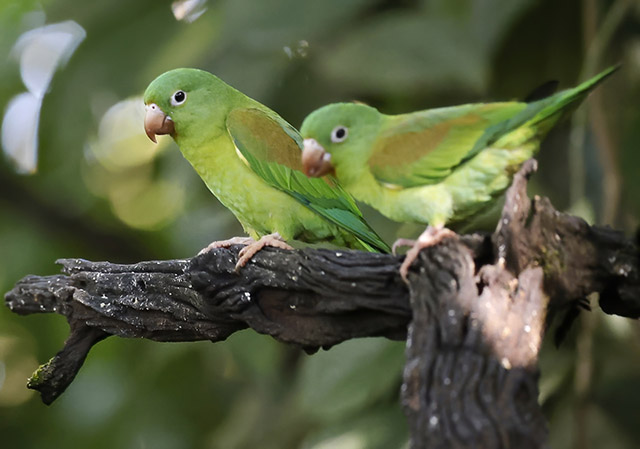
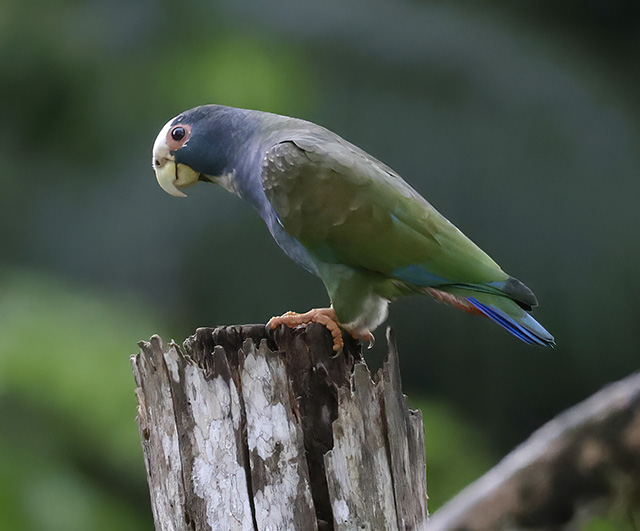
From the platform we saw Crested Guans, Keel-billed Toucans, Collared Aracaris, Brown-hooded Parrots, a Chestnut-colored Woodpecker and a couple of Plain-colored Tanagers so we got quite a lot of pictures.

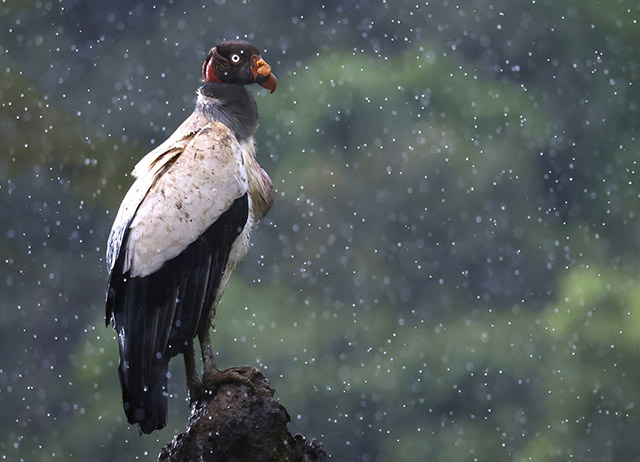
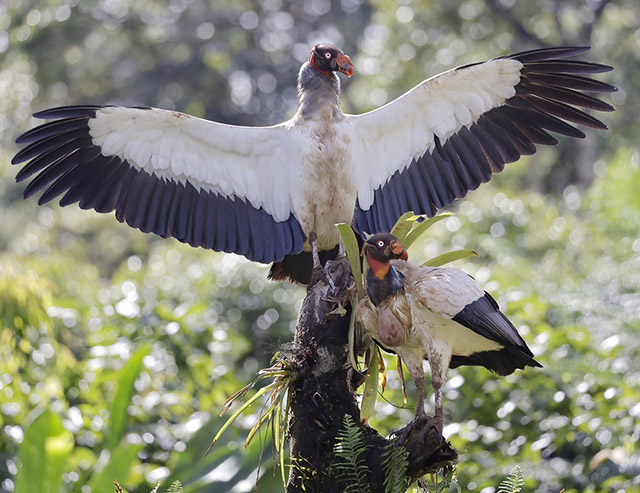
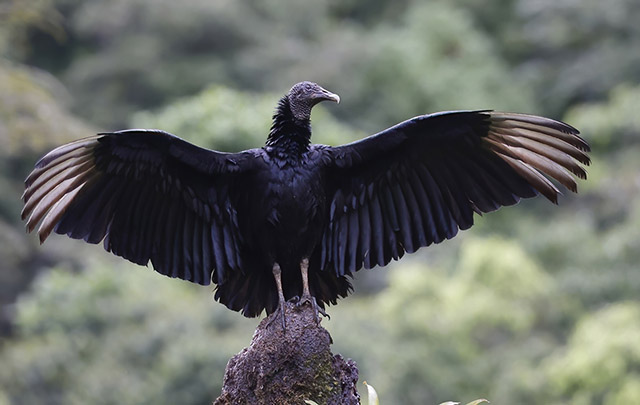
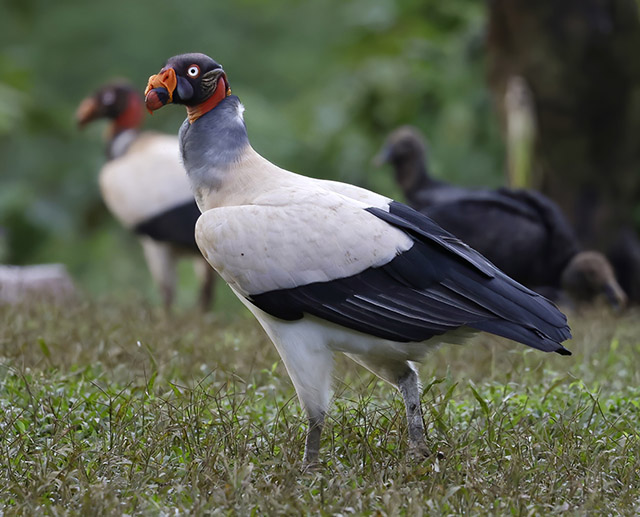
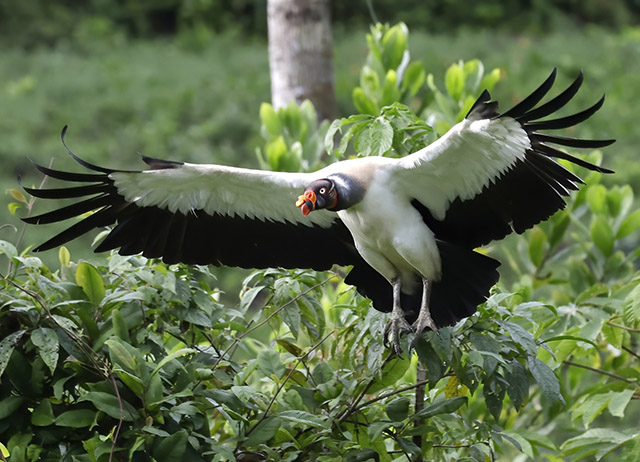
On the bushes next to the platform we saw a beautiful male Red-capped Manakin and also a Common Squirrel Cuckoo was showing briefly. When the sky cleared and it started to get warm there was a big flock of Wood Storks and also Black and King Vultures soaring on the sky. In the garden we still saw a Plain-brown Woodcreeper.

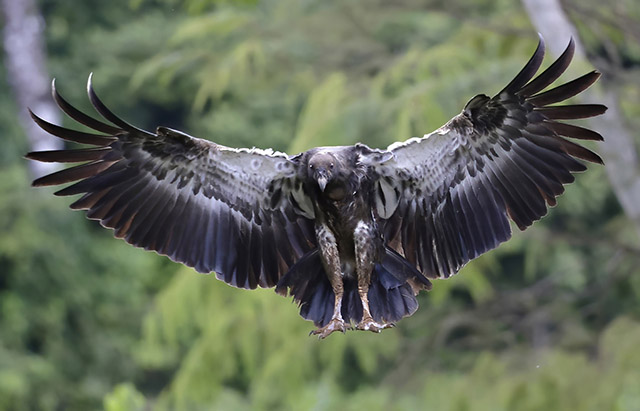
After lunch we headed to photograph vultures from the hides. And both Black and King Vultures were really posing well as the weather was changing all the time. We got a couple of heavy rains and after them vultures were spreading their wings to make them dry.

While photographing thousands of pictures of vultures we saw a couple of Barred Antshrikes and a heard a couple of flocks of Olive-throated Parakeets. With the keenest photographer we stayed in the hide until the light was getting too bad to continue. When we were walking back to the lodge we were very happy as we had got very different kind of pictures of vultures.

Before dinner I heard shivering calls of a Great Tinamou from the forest and while we were eating I heard a Central American Pygmy calling. We had to move a little bit further from other noisy customers before all in our group could hear the owl well. I also noticed a Common Opossum coming down along a gutter and luckily we all could see it in torch-light when it headed towards the feeder.

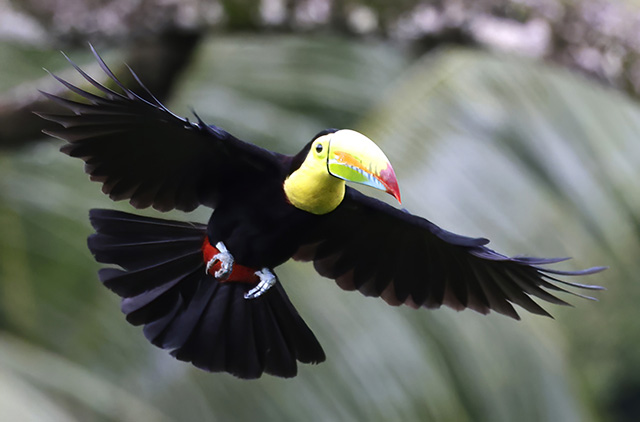
On the 3rd of December it was our turn to spend time on the main-terrace. We had managed to photograph most birds already earlier so now we mostly concentrated to take flight shots of Keel-billed Toucans. But at least I couldn’t get as good pictures as I had hoped even though I really tried. But anyway we got many really goof pictures!

Actually the most interesting pictures were taken from the restaurant side as I saw a female Masked Tityra landing to one trunk close to the terrace. And the best bird was seen so far that we needed telescope to identify it as an Olive-sided Flycatcher.

During the day we visited a small wetland nearby but it was much drier now than it had been a couple of years ago. Also at midday it was very hot so we didn’t see many birds. Anyway we managed to get pictures of a Bare-throated Tiger Heron and saw a couple of Blue-black Grassquits.

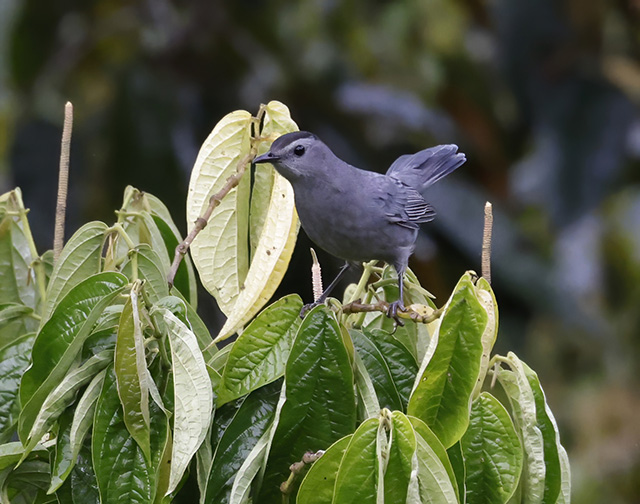
After lunch I just took it easy for some time. But then I headed back to the main-terrace and of course I was alone there when I saw a Grey Catbird landing to one of the bushes. I managed to get a couple of pictures before it disappeared.

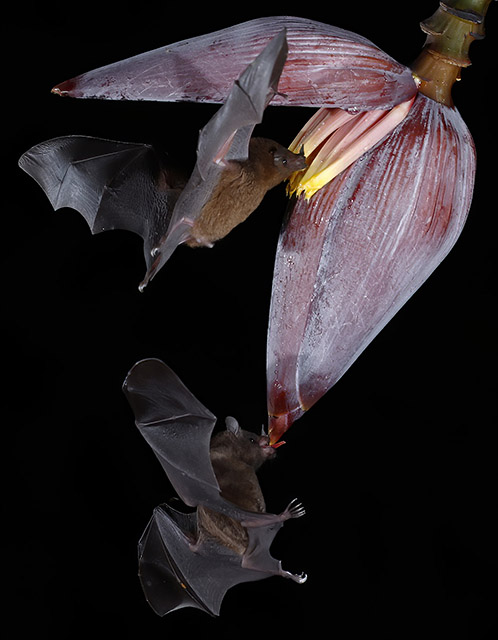
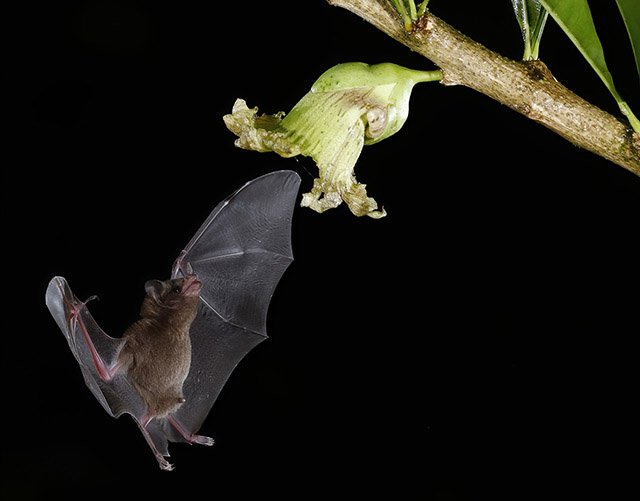
After dinner we drove to Adolfo’s, the lodge manager’s house where we were photographing Fruit Bats with multi-flash. Luckily the guide was extremely patient as none of us had used a multi-flash system before. And after all we all managed to get some good pictures of Fruit Bats visiting the flowers, even though one of us had Canon, one Nikon, one Sony and one Olympus.

On the 4th of December we had an early wake-up and at 6 we were already on the shore of Rio San Carlos where we had to wait for about 15 minutes before our river-boat arrived. Finally we were ready for the last boating.

Again there weren’t too many birds along the river but after some searching we managed to find a Spectacled Owl which was unfortunately hiding very well in a dense tree. We also saw Mangrove Swallows, a Great Blue Heron, a couple of Anhingas, Southern Lapwings, both Amazon and Green Kingfishers and so on.

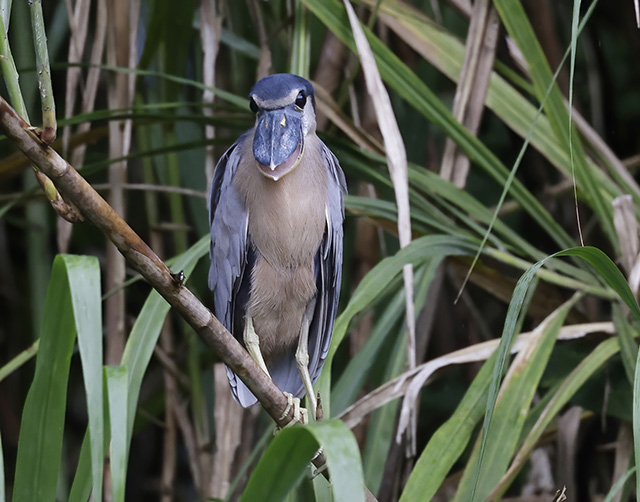
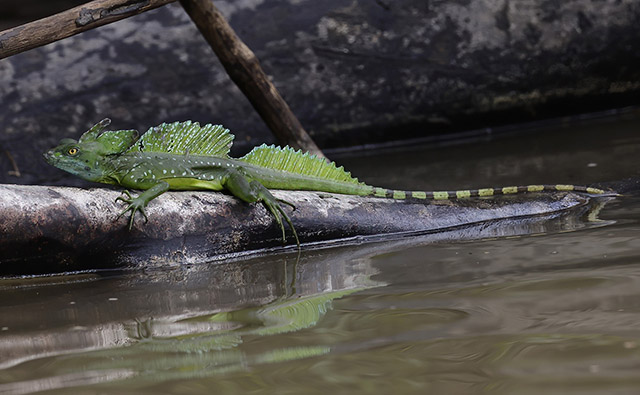
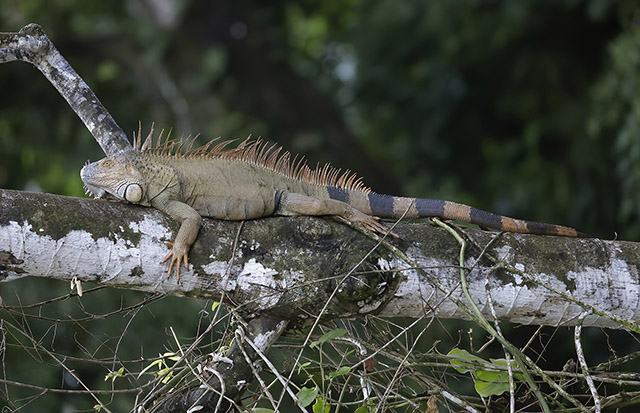
Green Iguanas were seen almost on every three-trunk and our sharp-eyed captain found also several Emerald Basilisks before we came next to a thick reed-bed where were several funny-looking Boat-billed Herons which a couple of them were surprisingly well visible.

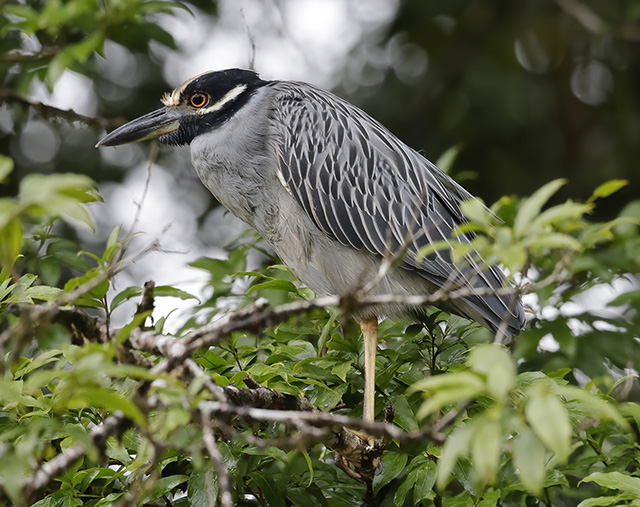
Later we still saw and photographed more lapwings, Northern Jacanas, a couple of well-posing Yellow-crowned Night Herons and then finally saw our first well-visible Mantled Howlers.

The rest of the trip didn’t offer wonders until in the end we still saw one smallish American Crocodile, so after all we were very happy.

Then we still had breakfast at lodge, packed our luggage and left towards San Jose and we had a feeling that we were a little bit in a hurry.

Still around Poas

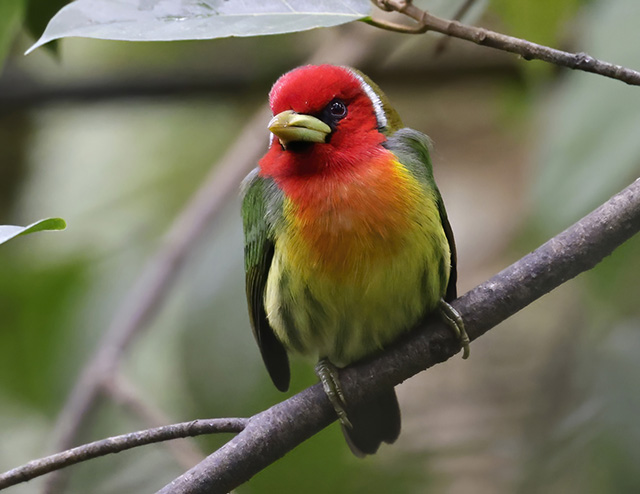
On the way we finally managed to get pictures of a Roadside Hawk and after about one hour driving we stopped to familiar Cinchona view-restaurant to eat and check the feeders. For some reason there weren’t very many hummingbirds. Maybe the reason was that one Violet Sabrewing was extremely aggressive towards smaller feeding-visitors. Unfortunately we didn’t see any Coppery-headed Emeralds which is one of few Costa Rican endemics. There was one Black-bellied Hummingbird and then on fruit-feeder many familiar species but after some waiting also a Red-headed Barbet couple and a Northern Emerald Toucanet couple.

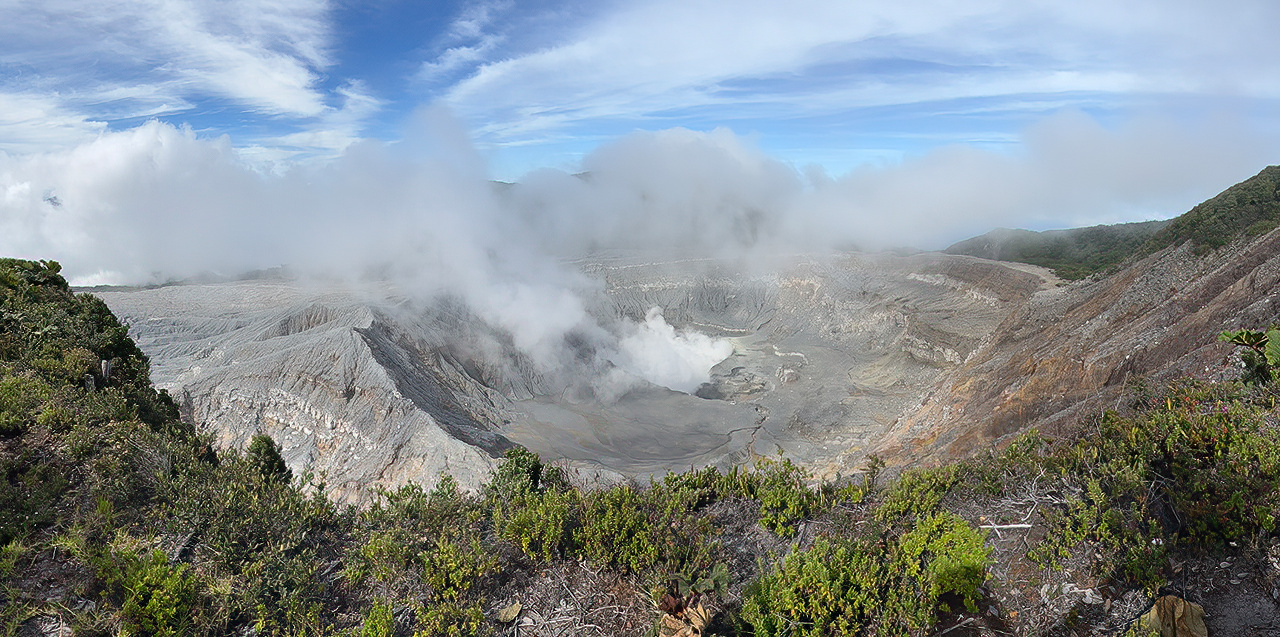
But soon we had to keep on driving as we had booked a visit to Poas volcano. Pablo had to drive pretty fast but after all we were there exactly on time.

We walked uphill to see the volcano and we were super lucky as all clouds moved away completely and we could get very nice pictures! I think this was the only day during our trip when the weather was so good.

A couple of us visited also a lagoon a little bit higher and then we still walked some extra just because of soon there would be enough sitting.

Back to home

Finally we had to walk back to the parking place where we still did last packing and changed clothes for long traveling (our car had dark windows so it was pretty good fitting room). Then we had an hour driving to the airport where we had to say thanks and goodbye to our perfect driver Pablo, whom I had got one more very good Costa Rican friend.

At the airport we managed to get through all formalities and then we had a couple of hours wait for our flight which left at 8:05 p.m. to Paris.

It was again a long flight but at least I was so tired that I slept most of the time. Finally we landed to Paris on the 5th of December at 1:15 p.m. local time. Then in Charles de Gaulle airport we had painfully long wait. Luckily time went surprisingly fast and at 6:30 p.m. our flight left to Finland. And we landed to Helsinki-Vantaa in the evening at 10:35 p.m. And while we were waiting for our luggage it was time to say goodbye to the group. We had really had a good trip!

I still spend a night in Hotel Clarion and on the next morning, on the Independence Day, the 6th of December I took a train home to Parikkala.

J.A.
India, Rajasthan and Gujarat 5th to 18th of February 2025

Traveling again

On the 3rd of February after my work-day I still packed the last things to my luggage and after Hanna came from work we still had a long WhatsApp-call to Uganda to my old friend. After all it was a long call and we really had to hurry to the railway-station where Hanna dropped me just before the train left at 4:31 p.m.

In Vantaa Tikkurila I changed to a train that took me to the airport and there I headed to Comfort Xpress Hotel where I had booked a room. Then I still went to the airport to eat before I was ready to go to sleep early.

On the 4th of February I had the wake up too early and at 5 a.m. I walked to the airport where I met the rest of the group: Vesa Jouhki, Andreas Uppstu, Matti Soini, Gustaf Nordenswan and Frans Silvenius.

It was surprisingly quiet in the airport so soon we had managed to get rid of our luggage, gone through the security check and found the right gate where to wait for our flight. Our Lufthansa flight left at 7 a.m. to Frankfurt where we landed just before 9 a.m. local time.

In Germany the security checks were really thorough but finally we were again at the right gate. Our Lufthansa flight to Delhi left a little bit late at 1:30 p.m.

It was a long flight and there weren’t any good movies to watch. Luckily after all I managed to sleep some hours before the plane landed to Delhi, India about an hour after midnight.

Around Delhi

On the 5th of February we found our luggage but we really had to wait for a long time for Matti’s luggage. Again it was surprisingly quiet in the airport so we managed to get through many complicated formalities to the terminal lobby.

Then we were just sitting tired on the benches as our trip-organizer Sathyan Meppayur was arriving to the same airport but different terminal from his home Kerala. Finally we managed to contact him and after some searching we found him and our another guide Sunil Kumar outside the terminal. Soon we were carrying our luggage to the parking place where we met our driver too.

It was still completely dark but in the city-lights the view looked foggy because of pollution. Soon we were driving towards our first birding place southwestern side of Delhi. Finally we parked along a busy road where we just waited for the dawn. Some even managed to sleep before we continued a short way to Haryan Gurugram Budhera and parked our car.

We were next to some pools which were full of birds but it was still too dark to identify most of them. So we started walking towards a canal where Andreas had eBird-spots for a couple of our target-species. There we started trying to hear or see White-crowned Penduline Tit and West Himalayan Bush Warbler.

My first lifer of the trip was a Red-naped Ibis whic we saw both flying over and then found one that was feeding on the ground too. And after some walking we found the first flock of Striated Babblers, and then along the canal we found a small flock of Sind Sparrows which was lifer for others too. A couple of flocks of short-toed larks were flying over us and these birds sounded weird – only later we realized that on this area there are Hume’s Short-toed Larks. Also several prinia-species, a couple of Hume’s Warblers and so on were seen and we also saw our first Northern Palm Squirrels.

The species that we had been dreaming on were still missing until we heard a couple of calls of a White-crowned Penduline Tit. But we couldn’t see it at all and we had heard it only shortly so it wasn’t enough.

We drove to another eBird-spot but it didn’t seem to be good for our target-species. But we met a few local birders who told us that West Himalayan Bush Warblers hadn’t been heard at all in a couple of weeks. They had either left or just stopped singing. But these birders were going to give another to find them so we followed them to the place where we had already been trying.

When we got to the spot we heard and saw briefly a Cetti’s and a Moustached Warbler and then I heard very clear calls of a White-crowned Penduline Tit. We played some playback and it was answering many times but for some reason it didn’t come any closer. But this time we all heard it very clearly. Locals told us that they actually had never seen this species even though they were visiting the place weekly. So it was very lurky species!

But we couldn’t find any West Himalayan Bush Warblers even though we still tried for some time. We also walked again a little in the area and found a couple of Rosy Pipits, more Streaked Babblers and so on. One of us got a lifer from a Black Francolin and also a Eurasian Wryneck was nice to see. And of course we got lots of other trip-ticks.

But finally we had to give up and we continued to Chandu wetland where we right away found a flock of Bar-headed Geese with a single Lesser White-fronted Goose which was wintering with them – a really good Indian tick and always nice bird to see!

We put up a couple of telescopes and found about 20 River Terns, lots of waders, for example about 200 Black-winged Stilts, a couple of Pied Avocets, 10 Little Ringed Plovers, a few Black-headed Gulls, lots of ducks and so on.

But soon we realized that we were in a hurry as we had plenty of driving to do. So we still quickly checked the pools that we had seen too early in the morning and found a Knob-billed Duck and of course more waders.

Next we continued to Sultanpur National Park where we were just walking along the road and tried to find Brook’s Leaf Warblers from the trees on the other side of fence of the National Park. The traffic was very bad and loud so it was difficult to hear anything but after some walking we heard promising calls. But we managed to see only one warbler and it looked like a Greenish Warbler. Anyway I recorded also the promising calls so we have to try to identify it later. Along the road we saw also a Rufous Treepie and a Large Grey Babbler.

Towards Rajasthan

But finally we had to start driving and still in Haryana we saw an Oriental Honey Buzzard. We drove slowly along truck-filled roads through untidy villages and cities and tried to avoid hitting cows that were eating plastic on the roadsides. We continued towards south and only observations we made were some Rhesus Macaques sitting on the roofs of rundown roofs and stonewalls.

After a few hours driving we stopped in Uttar Pradesh state in the middle of fields and Sunil pointed us a flock of distant Sarus Cranes that were feeding on the field. On a small pond nearby we saw also a couple of Knob-billed Ducks, a Lesser Whistling Duck, both Indian and Little Cormorants and so on.

Finally after one more hour driving and after we had crossed the border of Rajasthan, we arrived at Bharatpur. We were there so late that we hadn’t got time to do any birding anymore even though it had been our ordinary plan. But we had been doing lots of extra in the morning that hadn’t been in our schedule at all. We parked our car in front of Hotel Sunbird which situated right next to Bharatpur Bird Sanctuary. And once we had got our rooms, we still kept the log before the dinner and then it was really nice to go to sleep early.

Trip to Chambal

On the 6th of February we left the hotel at 5 a.m. and took breakfast with us. After one and a half hour driving we parked to the western side of Dholpur to bushy steppe-area. It was still a bit dark but anyway we started walking on the steppe. Right away we found a few Yellow-wattled Lapwings but then it took some time before we found anything really interesting. There were surprisingly few birds but finally Vesa found a couple of Indian Bush Larks which we managed to photograph quite well.

While we were having the breakfast along the road I saw a bird flushing from the road-side and flying straight away and disappearing behind the closest sand-dunes. I had no idea what it was. First I thought that it was a Shikra but something didn’t fit. When we were walking around the area again Andreas found the same bird again and it was a Common Hawk-Cuckoo.

We got plenty of trip-ticks but only better birds were a couple of Asian Openbills, a few Bronzy-winged and a single Pheasant-tailed Jacana, a Blue Rock Thrush and a locally rare Little Heron. We also heard a Jungle Bush Quail.

Pretty soon after we had left we stopped in village of Chandpur just to find out that the dark bird which had caused the stop was only a Black Redstart. But surprisingly a couple of Indian Grey Hornbills flushed from the closest tree so it was a good stop after all. And after some more driving we found the right dark bird and managed to get good pictures of a tame Brown Rock Chat. And on the next stop we still saw a Large Grey Babbler.

Then it was time to start driving towards Chambal Sanctuary where we had booked a boat-trip to the river. We crossed Madhya Pradesh state border and when we were driving down towards the river we saw a few Indian Peafowls and a couple of Golden Jackals. Once we had parked our car we met our boat-driver and soon we were boarding into our boat.

We didn’t have to drive far because already on the first small island there were plenty to watch and photograph! First we saw something else than birds – a few Gavials and Mugger Crocodiles!

But on the same island there were also a couple of weird-looking Great Stone-curlews, a few River Lapwings and a couple of White-browed Wagtails.

We continued along the river towards south and soon saw a couple of Ruddy Shelducks, a young Pallas’s Gull flying over, a couple of Egyptian Vultures and then Andreas saw a tern perched on a sand in the middle of the river in very bad light. He took some pictures of this distant bird but we were passing it pretty far as in front of us there was another small island full of birds. And soon we were counting Indian Skimmers – 123 of them. But there were no tern on the island so we started to get a little bit worried.

Andreas was watching his pictures of the distant tern and he thought it had been a Black-bellied Tern. Most of us hadn’t seen the bird at all. I had seen it but it had been very far and in impossible light. Soon we saw 3 terns flying over us but they were River Terns. There was a also a Bonelli’s Eagle soaring on the sky an Eastern Cattle Egret hanging on its claws and soon we saw another bird on their nest.

Luckily soon our driver noticed a tern perched on the other side of the river and we slowly drove closer and saw that it was a Black-bellied Tern. We managed to get pretty close and get nice pictures of this bird. And soon it was time to start driving back towards the harbor. On the way we saw that the bird that Andreas had photographed was still there and it indeed was a Black-bellied Tern and soon we saw also a third bird.

When we were back at the harbor we still saw a Long-legged Buzzard and saw people queuing on the bridge to a small gap where they could drop their rubbish to the river. They were dropping paintings and furniture and everything possible! But soon it was time to say goodbye to our captain and start driving back towards Bharatpur.

But we weren’t driving straight route but made a quite long detour on the way. Luckily there weren’t too much traffic and finally we saw Bayana cliffs in front of us. And right away I saw a big Indian Vulture flying in front of the cliffs. We parked soon and luckily the vulture was still flying against the mountain. Later we found a few more Indian Vultures perched on the cliff and it was good to tick this extremely rare bird.

Bharatpur Bird Sanctuary

After lunch there were three-wheeled electric rickshaws waiting for us in the parking place. We got into the vehicles in pairs and soon we were at the gate of Bharatpur Geoladeo Ghana National Park where we got the tickets and then drove along a good paved road inside the park.

It was easy to see that we were late on our ordinary schedule as we were hurrying all the time. There were birds all around us but we were stopping only for the most interesting ones. The local guide was on the first rickshaw and like always we weren’t told too much about what was happening. Finally after we had passed many well-showing Indian Peafowls, we stopped to see a perched Spotted Owl. On the next stop we saw a very well hidden Indian Scops Owl but luckily on the next stop there was another one looking out from their nest-hole.

We passed several Nilgais and a couple of Chitals that were hiding behind the bushes. On the wetland we could see lots of egrets, storks, ducks, cormorants and so on and finally we stopped to look at them. There were hundreds of Painted Storks but also about 800 Gadwalls, 300 Red-crested Pochards, 100 Tufted Ducks, 5 Ferruginous Ducks, 2500 Eurasian Coots, 200 Common Moorhens, 100 Grey-headed Swamphens, 50 Little Grebes and so on. Better species were a very distant Black-necked Stork, a few Steppe and Eastern Imperial Eagles, the first White-eared Bulbuls of the trip and so on. On the wetland there were cows and water buffalos but also plenty of Nilgais. I could have easily spent a day or several on this place photographing birds and animals but we were soon hurrying again.

On the next stop we saw a very well hiding Black Bittern and soon we were photographing a Yellow Bittern which was showing much better. I also got some pictures of other egrets and herons. But soon we continued to the end of the road and continued walking along a smaller road.

We tried to find a Brown Crake for some time but without luck. And soon the sun started to set and some Indian Flying Foxes that were hanging upside down from the branches started to fly. We still were watching the huge numbers of birds for some time before we had to start driving back towards the gate.

On the way back we still stopped to watch and photograph another Black Bittern which was showing quite nicely and we also saw a flock of about 50 Great White Pelicans landing far to the lake.

We still asked if there was a possibility to twitch a Dusky Eagle-Owl as we knew that they had been twitched from or at least close to their nest. But for some reason it was impossible. We were never told why we couldn’t try this lifer. They had been twitched almost daily before and also after our trip.

Our day was over when we parked in front of our hotel and it was time to keep the log again and have dinner. And again we managed to get to sleep early enough.

Detour

On the 7th of February we had again a huge detour to our ordinary plan. We had decided to give a try to one more Indian endemic for which the best place was in Ranthambore. I was happy to do this extra-trip because it gave me an opportunity to try to see a Tiger too as Ranthambore is one of the best places to see it in India.

It was a long drive southeast but I managed to sleep a little in the car. On the way we saw a couple of Indian Grey Hornbills in flight, a single Spotted Dove and the first Bengal Sacred Langurs of the trip.

When we got to Ranthambore we bought tickets inside the National Park and soon were driving inside a forest. There were plenty of big cars and buses coming towards us as tiger-twitchers were going to breakfast.

kirjopyyfasaani

After a couple of kilometers Sunil told we were in a good place for our target-species. And almost immediately he found a couple of Painted Spurfowls walking slowly in the shadows under the bushes. It took some time for some of our group to see the birds but after all the male stopped in an open place and with Andreas we managed to get really good pictures of this endemic.

Our long detour had been success already so I hoped we now had plenty of time to try Tigers. But after some hundreds of meters driving we surprisingly made a U-turn and turned back and were soon outside the National Park. I don’t know why we did so but our guides weren’t the most talkative people. We saw an Asian Woolly-necked Stork, a couple of Sambars and a Ruddy Mongoose but I wasn’t too happy for the effortless try to see Tigers.

And soon we drove to the most boring-looking dry bushy hill-area to try to find a Rock Bush Quail. We were walking in hot temperature between the bushes that were full of thorns and the same extremely sharp thorns were also on the ground everywhere and they went right though the bottom of shoes. I wouldn’t have been too happy with a small chicken as there might have been something more interesting to see but after all we didn’t find it either.

We did see a single Barred Buttonquail and some 20 Alexandrine and 50 Plum-headed Parakeets, a Coppersmith Barbet and 10 Large Grey Babbler and I saw a Dusky Crag Martin flying over us.

We still tried to find Rock Bush Quail on another place where we found a flock of about 30 Indian Stone-curlews. It was another lifer for me but I would have changed at least 29 of them to a single Tiger…

At noon it was time to start a long drive towards north-west to Jaipur. We ate lunch that we had with us next to some big pool where we saw plenty of ducks, waders and egrets and so on but nothing new. And soon we kept on driving again.

Finally we arrived at Jaipur where we had an accommodation in Hotel Arya Niwas. It was in the middle of this huge 3 million inhabitant city which we really had hoped to avoid. But the hotel was nice and food was good but once again we didn’t have much time to enjoy it.

Tal Chhapar

On the 8th of February we left already at 3 a.m. as we had another long drive south-west to Tal Chhapar. On the way I managed to sleep again a little and we were in the right place just when the sun was beginning to rise.

Andreas had an exact point where our target-bird had been seen last time so our group was soon marching towards it through a dry semi-desert area.

I thought that we were walking too fast and not really birding and stayed behind and took some pictures of Common Babblers and then started to think what could be the best way to find our target-bird. I saw some bigger trees nearby where the sun had just started to shine. Matti was also walking slowly and I said to him that after a cold night I would be warming up on those trees if I was our target-bird. We walked towards the trees and immediately I found an Indian Spotted Creeper that was climbing on the first tree.

The creeper flew soon to the next trees but luckily the rest of our group came quickly and we found the bird again. It stayed on the tree-trunk for a minute or two before it continued to the next trees and then further to another small forest.

There were plenty of Blackbucks walking and running on the open areas. Some handsome males were walking gracefully chest up while females were much shier. There were also carcasses and smelly cows were left here and there for the vultures.

We saw several Egyptian Vultures and also a stunning Cinereous Vulture. Our group was again walking around the area and more birds were soon found like several White-browed Fantails, a Bay-backed Shrike, a Great Grey Shrike, a Yellow-crowned Woodpecker and some Yellow-throated Sparrows. We saw also at least 2 more Indian Spotted Creepers but they didn’t stop for the pictures at all.

But after all we had to keep on going again. But we didn’t drive long until “Gusse” noticed a flock of Yellow-footed Green Pigeons on one tree. Then we tried to find a place where to see well inside Tal Chhapar Sanctuary where had been several recent sightings of both Laggar and Red-necked Falcon. After some driving we found an open place but there wasn’t very good visibility to the park which had surprisingly high walls. It might have been OK place to see flying falcons but for some reason we gave up almost immediately and kept on driving towards west again.

Jorbeer

After a few boring hours of driving we finally saw a Laggar Falcon in flight. It stayed soaring over us so we managed to get some pictures too. And soon we saw another bird that landed to its nest which was on an electricity-pylon.

Finally we curved to Jorbeer rubbish-tip area where we immediately found a huge flock of Yellow-eyed Pigeons perching on the electricity-pylons and wires. We counted 2000 birds that were wintering here as they are breeding in Central-Asia.

There were plenty of eagles and vultures soaring over the rubbish tip so soon we continued to conservation reserve where we parked outside the gate. But for some reason we didn’t go into the area – again nothing was explained to us. So we had to stay outside the gates and try to watch and photograph distant birds.

There were lots of Egyptian and Griffon Vultures, but also some Cinereous Vultures, a single White Stork and then we saw at least one Himalayan Vulture. We also saw a huge flock of about 5000 Rosy Starlings in flight!

But then it was driving-time again and we still had a few hours to go. Through the window I saw a couple of Variable Wheatears on the way but finally we arrived at Kcheechan village where we stayed in Kurja Resort.

Demoiselle Cranes – lots of them!

On the 9th of February we slept a little bit longer and then drove only a short distance to Kcheechan where we climbed to a roof of one house almost in the middle of the village. On the next property there was an open area about size of a football field where Demoiselle Cranes were coming to feed every morning.

It was still too early but the owner of the house and the feeder of the cranes showed us many articles about the site. Soon the first flocks of Demoiselle Cranes started flying over the village but they landed to a semi-deserted area behind the village. After some waiting the first crane with broken leg arrived and started feeding but then it still took some time before the big flocks started to come.

But finally there were flocks coming everywhere and they all landed to this small area in front of us. Unfortunately light was pretty difficult to get good pictures but it was getting slowly better. But of course the part of our group who weren’t photographers and had already got their tick, started to get anxious.

With Andreas we kept on photographing the cranes but the rest of the group was soon standing on the street next to our car as they wanted to go to breakfast. We were really enjoying photographing Demoiselle Cranes and I could have easily stayed there for whole day but after all we had to give up and leave.

After the breakfast we found a Variable Wheatear from the garden and soon we had to start driving towards west again. It was a long drive to Jaisalmer. On the way we saw more Variable Wheatears, a couple of Chestnut-bellied Sandgrouses, a Tawny Eagle, a Common Buzzard and so on.

To desert

In Jaisalmer we took pictures of old fort that has been built in 1156 and has been announced a Unesco World Heritage Site status. Then we went to eat and soon continued driving to the middle of the desert.

Because it wasn’t too late yet, we still went birding to Desert National Park. For some reason there was nobody at the gate, so we just drove inside the park. Soon we stopped to walk in the desert in a good-looking area and found an Isabelline Shrike, a couple of Desert Warblers and a distant Raven. There were big flocks of Greater Short-toed and Bimaculated Larks flying over us and we also saw the first Chinkaras and a couple of Spiny-tailed Lizards.

We still saw some common desert-birds and at Sam sand-dunes there were plenty of dromedaries waiting for tourists to go for a ride. Finally we continued along a bad road to Prince Desert Camp where we were welcomed with traditional way by a beautiful woman. She gave us a red bindi to our forehead and threw rose petals over us while a drummer was playing.

Soon there was a local dance and music show in the middle of the garden and I went to look at it before the dinner. We went soon to out tents and tried to sleep but the show lasted until 10 p.m. But then it was quiet and we could fall asleep.

Desert National Park area

On the 10th of February we drove to Musa’s Wild Expedition parking place where we met our local guides and climbed to their Jeeps and soon were driving towards Desert National Park and maybe the most awaited morning of the whole trip – at least for me.

We drove straight to a smaller road that went to the middle of the desert and again we saw big flocks of Greater Short-toed and Bimaculated Larks and on the first stop we saw our first Black-crowned Sparrow-Larks.

When we kept on going it seemed clear that we were searching for our main target-species of the whole trip – Great Indian Bustards. We were on the back-car and soon stopped to a place where the first car was already parked. We didn’t know why they had stopped but soon I saw a Siberian Stonechat on a top of on bush. When the first car left, I saw another bird flying to the same bush and this looked different and it started to pump its chest funnily – a female White-browed Bush Chat! We tried to call to our friends on the first car but there was no connection. So we soon had to follow them.

We continued driving along the fence until our guide said calmly: “a Bustard”. He stopped and after some scanning we also managed to see one very distant Great Indian Bustard between some bushes. The first car also reversed to see the bird but it was clear that we could see the bird better if we drive a little bit forward. And soon we saw several bustards!

After all we saw at least 9 Great Indian Bustards in this sparse flock but these birds were unfortunately quite far and because of the fence there was no way to get any closer. We could see them really well with telescopes but of course photos weren’t that good. And once we were sure that the birds weren’t coming any closer, we decided to move on. And of course right then we saw two of these birds flying. We stopped and managed to get some distant flight-pictures too.

Next we continued to a bushy area where after some searching we found a female White-browed Bush Chat for the rest of the group too. This individual was showing extremely well. We also managed to get pictures of an Egyptian Vulture that passed us pretty close.

Soon the day was getting very hot so we continued to Musa’s Desert Nest to rest and spend some time before the evening trip. We also ate lunch that our driver had brought from our own accommodation. Then we were either resting, scanning the sky or some were even walking on the desert in extremely hot weather but nothing new was found.

We left birding again at 3 p.m. and headed straight to one rocky hill where we immediately found a couple of Red-tailed Wheatears, a couple of Desert Larks, a small flock of Trumpeter Finches and a couple of Black-crowned Sparrow-Larks.

All these birds were very tame so we managed to get good pictures even though it was still very hot and lots of haze in the air.

Next we drove to the middle of the desert to do some car-searching. We were driving back and forth through a very dry area with pale-yellow plant but couldn’t find what we were searching for. So soon we continued to a big flooded lake where were lots of birds: ducks, waders, a local rarity Great Ringed Plover, Alexandrine Plovers, Little and Temminck’s Stints, 20 Black Storks, some raptors, shrikes, a Pale Martin, shrikes, wheatears, pipits – even some Water Pipits and so on.

From the lake we continued to another desert-area to drive back and forth and this time we were lucky when we found a couple of Cream-colored Coursers, which is really good Indian tick. And from the next similar-looking desert-place we found even better Indian tick – a Greater Hoopoe Lark. Even our local guide was extremely happy when we had seen both of these difficult species. Greater Hoopoe Lark was even a lifer for Sunil.

But after all it was time to say goodbye to Musa’s guides and soon we were driving towards Jaisalmer again. We had an accommodation in Rawan Kot Hotel which was maybe even too luxurious for us. There was even a terrace with a view to the fort. While porters were carrying our luggage to our rooms, we heard a couple of Koels calling.

Driving day

On the 11th of February we slept longer as we had only driving on our program. It was a long way south-west to Mt Abu. On the way there weren’t views or birds really – Dusky Crag Martins were the only bird to mention. In the evening while we were already driving up to Mt Abu, we saw some Oriental Turtle Doves, lots of Bengal Sacred Langurs and a couple of Large Grey Mongooses.

Finally we parked to Ratan Villas Resort and we were very tired because of long driving. Luckily the log was short and after the dinner we were ready to go to sleep.

Mt Abu

On the 12th of February we had one of the most important days of the trip as Mt Abu had several lifers for us – a couple of lifers even for “Gusse” who had been in India many times.

When the sun was rising we were already walking behind Oriya village on the hillside under the top of 1772 meters high Mt Abu. Soon we saw some Oriental Turtle Doves and heard a Brown-headed Barbet calling and after some more walking we found the first couple of White-capped Buntings. Soon we saw a bigger flock of buntings but we never got very close to get better pictures.

We continued walking on the hillside and soon found a Sulphur-bellied Warbler which was moving quickly in the bush so it was also difficult to photograph. And then “Gusse” found a flock of Green Avadavats hiding under a bush right next to the road. These birds were moving inside the bush so again I couldn’t get good pictures and soon they flew away and we kept on walking. But we had already found the most important target-species!

But when I had started to get lifers I wasn’t about to stop yet. Soon we heard a distant Indian Scimitar Babbler calling lower on the hillside forest and then I saw a slaty-grey, orange-billed thrush flying right in front of me to a bush. For some reason nobody else saw it but when we played some Tickell’s Thrush calls, it started to call back – but never came visible again.

While walking I had managed to get some pictures of a Rufous Treepie, Black Redstarts, Indian Black-lored Tits, Plum-headed Parakeets and a Red-whiskered Bulbul and we also found more Green Avadavats and Sulphur-bellied Warblers and managed to get some better pictures of them too. We also saw a Tickell’s Blue Flycatcher, a flock of Tawny-bellied Babblers, some Indian White-eyes, Hume’s Leaf Warblers, a couple of Red-breasted Flycatchers, several Northern Palm Squirrels, a Large Grey Mongoose and cute Indian Bush Rat.

We were already walking back to our accommodation when we still found a small flock of Yellow-eyed Babblers. So the morning had been excellent!

After the breakfast we were still walking on the other side of the village trying to find Crested Buntings but we found only a Verditer Flycatcher, a few White-spotted Fantails, Dusky Crag Martins with at least one Eurasian Crag Martin, a couple of Brown Rock Chats and so on.

But as the theme of this trip was sitting in a car, it was soon time to hit the road again and we headed towards southwest.

After hours of driving we crossed the border of Gujarat which was a big step for most of us in our group (except me maybe) as alcohol is forbidden in this state. For locals the law is very strict but also for foreigner it can be a straight ride to the airport and next flight back home with own money if breaking the law.

It was still a long drive until we finally were on the western side of Dasada and parked to our accommodation Rann Riders from where we were going to visit Little Rann of Kutch on the next day.

We still had time to walk a little in the garden and we managed to hear a couple of Coppersmith Barbets, see several Indian Orioles, a couple of Red-breasted Flycatchers and a Purple-rumped Sunbird.

Little Rann of Kutch

On the 13th of February we started early and soon met our local guides and continued with their Jeeps. And soon we were driving along flat and salty Little Rann of Kutch. For some reason our main-goal of the day was to find Asian Houbaras which wasn’t a lifer to any of us and not even an India-tick for Gusse. Luckily this huge area was also home for an endangered Asian Wild Ass.

We were driving around and through many bushy areas trying to find houbaras without luck. There aren’t many of them surviving. After some driving we saw our first Asian Wild Asses which were surprisingly shy and ran away to the desert before we managed to get better pictures. And soon we were driving towards the next bushy area.

After all we spent several hours like this and only better birds we saw were a couple of Booted Eagles and Long-billed Pipits. There was no Asian Houbaras anywhere. But finally we found a bigger pack of Wild Asses and managed to get good picture of them. Then we found also a Short-eared Owl roosting under one bush.

When the day started to get hot we went to one small village where we tried to find roosting Pallid Scops Owls while dogs were barking and locals staring at us. And no owls were found.

When we were already driving back towards our accommodation and still driving though every bushy area on the way for bustards, we got a phone-call that other half of our group had found a White-eyed Buzzard. Unfortunately the connection was so bad that we had no idea where our other car was.

We were driving back and forth before Sathyan got a WhatsApp-message with location from Sunil and we could start driving towards them. And surprisingly we had to drive at least 10 kilometers before we finally saw them. And the buzzard was nowhere to be seen but they told that it should still be perched on a tree behind the next turn. And luckily the bird was still there and we managed to get at least one lifer and even pretty good pictures.

We rested the hottest time of the day and left out a little bit later in the afternoon. And again we headed to the similar places and tried to find houbaras. And still we had no luck but we saw another White-eyed Buzzard and more Wild Asses which we finally saw altogether 89 during the day.

Finally we gave up with the houbaras and started to make stops in different kind of biotopes too. First we saw 8 Cotton Pygmy Geese on a small pool and then Sathyan found a Rufous-tailed Lark next to the road. I managed to get some pictures of the lark before it flew away.

Then we continued to a flooded lake where we saw lots of ducks and waders, for example 250 Pied Avocets, huge flock of 600 Lesser and 50 Greater Flamingoes, 14 Dalmatian Pelicans with one Great White Pelican and so on. We also saw a big Wild Boar.

It was already getting late when we drove back to the desert where we had some local snacks while waiting for the dark. Soon we heard a couple of Indian Nightjars before we left driving to the desert. And only after some minutes of driving we found the bird we were searching for – a Sykes’s Nightjar. We got out from the cars and managed to get pretty good pictures of this pale nightjar.

For once we were staying on the same accommodation for the second night so after the log we got to sleep early.

Driving again

On the 14th of February we were mostly driving again. On the way we crossed an area where were lots of salt-pans and saw lots of egrets and waders but we were in a hurry so we didn’t stop at all. Andreas took some places to his eBird so we could possibly stop on a couple of the best-looking places when we were driving back. Anyway we managed to identify some trip-ticks like Western Reef Herons, Gull-billed Terns, Whiskered Terns and also saw a couple of Great Stone-curlews and so on.

Around Nakhatrana

It was already quite late when we finally arrived at Kunj homestay which situated about 15 kilometers northeast from Nakhatrana. We met the owner and our next couple of days guide, got our rooms and still went walking to the garden area.

There was a dam nearby where we saw Yellow-wattled Lapwings, some egrets, kingfishers and so on. From the trees and bushes we found also a couple of Marshall’s Ioras and Sykes’s Warblers, at least 60 Yellow-throated Sparrows, a Baya Weaver and when it was getting dark some of us managed to see a Pallid Scops Owl in flight.

After the dinner we still went to the dam to wait if Painted Sandgrouses were coming to drink to the river but we didn’t see any. It was nice to sit in warm evening and watch local birds in the sunset while Indian Nightjar was calling on the background.

On the 15th of January we started early and drove about an hour to northwest before we parked in the middle of a bushy area. The sun was just rising but we headed out to walk and search for our target-bird. It took some time until Sunil finally found one Grey Hypocolius which was quite mobile but later either the same or a different bird was showing quite well for all of us. It was another good Indian tick and a couple of us got even a lifer – I had seen them before in several counties.

We stayed in the area for some tie and still saw a couple of flocks of Common Cranes and also a couple of Yellow-eyed Babblers, a Sykes’s Warbler, Rosy Starlings and so on. And when we were driving back towards bigger roads we found a couple of Painted Sandgrouses on the road. We managed to get good pictures of the female but male was all the time hiding and we saw it well only when they flew away.

Next we drove to Bann where we saw thousands of Common Cranes. We tried to find an Indian Eagle-owl from a couple of rocky hill but without success.

We were a little bit disappointed when we continued towards Nakhatrana, but on the northern side of the city in Bharapar we finally found a flock of Indian Coursers. It was already getting warm but I managed to go through some thornbushes close enough to get some better pictures of them. We also saw an Eastern Orphean Warbler on the same bushes.

When we were back at Kunj homestay I decided to try to sleep a little but when I was about to fall asleep Vesa came to wake me up as he had found a Pallid Scops Owl roosting on a tree on the garden. Of course I had to go to see it but when Vesa tried to show us where the owl had been, it wasn’t found. There was already some frustration in the air when I finally noticed that the owl was exactly where it should have been, it was just so well camouflaged that we almost missed it.

At 2 p.m. we left birding again and it was really hot – about 40 degrees of Celsius. But of course it was nothing for locals as in the summer it can be 55 degrees during the hottest time of the day! But for us this was already enough at least when we started to walk around one hill nearby and tried to find Painted Sandgrouses. It was so hot that we didn’t find any birds at all.

Then we continued to Rawalpir Dargah thorn-tree forest where we immediately saw a couple of Grey-necked Buntings. After some searching we finally found a Rufous-fronted Prinia too which had somehow avoided us until this.

Our group spread around the hill and I decided to follow our local guide and we climbed to the top of the hill. But there he was just standing and talking to his phone for a long time. I really didn’t know what we were searching for and it was still very hot. After a long time I had to go to ask, what was our plan and our guide told that in this area there were some White-bellied Minivets coming to roost in the evening. But it was just early afternoon. And there really were no birds – only observations to mention were a Marshall’s Iora and an Indian Hare. So I decided to get our group back together and then we decided to go to try to find an Indian Eagle-Owl from another place.

It was a couple of kilometers walk to Bhukh dam but on the way we saw plenty of birds. Then we sat on the stairs next to the dam for a couple of hours and when it started to get dark we played eagle-owl calls but we got only one possible response. Some Painted Sandgrouses came to drink when it was almost completely dark, but after all we had to give up and walk back to our cars and continue to our accommodation.

On the 16th of February we drove about 20 kilometers southwest from Nakhatrana to Fot Mahadev where we were when the sun was rising. When we got out from our cars our guide immediately heard a distant song of our target-species. We walked closer and soon we all heard a White-naped Tit singing. Our guide played its song and soon the tit flew to closest tree where it kept on singing. This extremely rare bird was lifer for all of us but even more important to Matti who had tried to see this bird 15 years ago without luck.

We photographed this beautiful White-naped Tit for some time until it flew back to the forest. Then we still took some pictures of its nest-maker Yellow-crowned Woodpecker.

Soon we found also a couple of Rufous-fronted Prinias and now we got some kind of pictures of them too. And once we were driving again, we heard another White-naped Tit singing and then on the next stop we heard a Jungle Prinia singing and found the bird perched on a top of a quite distant bush.

After some driving we photographed a White-throated Kingfisher that was perched right next to the road and then continued to a dry field-area where our guide told us that we would try to find Rock Bush Quails. He told that these birds were extremely shy so we should just drive along the road slowly and try to find them next to the road. He also told that there weren’t much chances of finding them this time of year as they were usually seen only during the wet season. But we had driven just a couple of hundreds of meters when “Fräne” saw a flock of small quails right next to the road. I was on the wrong side of the car but soon managed to see at least 12 different sized of birds – adults and youngsters.

In our car, which was now the first car, we all managed to see the quails well but on the second car the backseaters saw them only very briefly. And they hadn’t got the instruction about staying inside the car and when they got out there were no quails to be seen anywhere. I thought I had seen in which bush they had went but when I tried to find them, there was nothing until we saw an adult bird flying to the next field that was behind fences. There was some frustration again so we decided to go further and wait until the other birds come out from the bushes. And finally the young birds were seen running towards the field where an adult was calling them.

In the end of the morning trip we still saw a Long-billed Pipit, some Common Woodshrikes, several flocks of Common Babblers and so on but soon it was again getting too hot to continue.

During the day we took it easy until 4 p.m. as it was far too hot to do anything before that. We tried again to find Painted Sandgrouses on the same place without luck but I managed to get pictures of Great Grey Shrikes and a Rufous-fronted Prinia.

Then we continued to Rawalpir Dargah again and we were still driving towards the hill when Sathyan saw a White-bellied Minivet in front of our car. I couldn’t see it from the backseat but as I was the only one missing this species, we soon hurried after it with Sathyan and luckily found it from the next bushes. This female bird was quite elusive but we all managed to see it pretty well.

As we really didn’t know what to do next, we decided to drive back to Kunj and just do relaxed birding in the garden and in the evening we went to the dam to play eagle-owl calls and wait for a response. No eagle-owls were heard but a Spotted Owl came to see us.

On the 17th of February we had still got a morning trip on our ordinary schedule but we had again so much driving during the day that we just slept a little bit longer and then after breakfast it was time to say thanks to Kunj staff and start a long drive towards Ahmadabad.

After about 30 minutes of driving there was a pool next to the road which was full of egrets, Painted Storks and Eurasian Spoonbills. There was also a Golden Jackal behind the pool which we managed to photograph.

Once we were driving again we soon saw a bigger pale bird flying across the road – a Sirkeer Malkoha! Luckily the bird landed to the bushes next to the road and by reversing slowly we all managed to see it. And surprisingly it stayed on the bush so that we managed to get some pictures of it too. We finally had luck with this species which is only found with luck.

To Ahmadabad

Then there was really nothing until we made the stop on the first place that Andreas had marked to eBird on the way to west. We had seen lots of ducks on a small lake in Kodta where we now stopped to find out that there were lots of Tufted Ducks but also some Common Pochards, 3 Great Crested Grebes and a Clamorous Reed Warbler was singing.

And after another long stint we were again in the middle of the saltpans where we stopped to check waders. There were about a hundred Tibetan Sand Plovers, some Slender-billed and Brown-headed Gulls and even a distant Black-necked Stork.

Our last stop was made in Halvad where in Lake Samantsar we saw lots of ducks, egrets and terns and so on but nothing new. And then we still had a long drive to Ahmadabad where we took smaller roads probably to avoid traffic-jams in the city.

It was already getting dark when we finally arrived at Hotel Fern Metropole where we saw several big flocks of Rosy Starlings flying to roost. The log was short and then we had the best dinner of the trip.

Last morning around Nalsarovar

The 18th of February. The ordinary plan had probably been that we wouldn’t do any birding on our last day, but as we had our flight back to Delhi late in the evening, we still had plenty of time. Unfortunately Sathyan had his flight a few hours earlier so we didn’t have whole day. It might have been wise to have accommodation anywhere west from Ahmadabad and at least not in the middle of the huge city as we went birding quite far southwest to Nalsarovar.

We left at 5 a.m. and after a couple of hours driving we picked up our local guide and continued towards our first destination which was north from Nalsarovar.

We started in the middle of semi-desert where we immediately saw crazy numbers of birds migrating. There were flocks of both Common and Demoiselle Cranes but Short-toed Lark-looking birds were everywhere. At least some of them seemed to be Mongolian Short-toed Larks and also Rosy Starlings were numerous. And after some searching and waiting we found what we were looking for – a Namaqua Dove couple. It was a lifer for our guides and really good Indian tick for us.

Our schedule was tight so we soon continued towards east to a bushy area where we found a flock of Red-headed Buntings with at least one Black-headed Bunting. There would have been also a wintering Yellow-breasted Bunting somewhere in the area but unfortunately we hadn’t got time to try to see it.

Next we continued again towards east to the middle of big fields and when we parked our car, there was a big flock of about 200 Black-breasted Weavers on the closest bushes. It was good to get this lifer too – everyone else in our group had seen it on their previous trip.

We walked to the middle of the field and it started to get sweaty. A couple of Common Quails were calling and Sand Martins were flying around us. Finally we thought that we had been walking enough and asked until where we were about to walk. Luckily it was only a short walk to muddier fields where we were supposed to try to find Sociable Plovers. We all had seen this species even in Finland so we could’ve done something else too especially when our guide said that usually the lapwings were seen only early in the morning. But luckily we found 5 Sociable Lapwings from the field so we hadn’t been walking and spending time for almost nothing. Actually I was happier when a couple of flocks of Sarus Cranes flew very nicely over us and I managed to get good pictures of them.

After all that was all our birding. Luckily we could drop our guide to the closest village as we were quite far east from Nalsarovar already. And soon we were driving back towards Ahmedabad.

Towards home

We managed to get back to Ahmedabad ring-road surprisingly easily and then we still went to eat to a restaurant close to the airport. Then it was time to say goodbye to Sunil who was going back to home by train. Then we drove to the airport where it was time to say thanks to our amazing driver. He still had a very long drive back to Delhi!

At the airport we managed to get through complicated formalities and then it was time to say goodbye to Sathyan who was flying back to Kerala. And then we had really long wait until our IndiGo flight finally left to Delhi at 7:30 p.m.

The flight took about an hour and a half and in Delhi we had quite an adventure to another terminal by bus and of course lots of queuing. Finally our Lufthansa flight left on the 19th of February at 2 a.m.

I managed to sleep most of the flight and finally we landed to Münich, Germany at 6:25 local time. Again there were tight security-checks but finally when we got to our gate it started to feel like we were going back to home. But of course our flight was once again late and left only at 9 a.m.

Because of the flight was late I was very nervous as I needed to get to my train. I should have had an hour and 20 minutes to get to Joensuu-train but now it really seemed that I couldn’t make it or at least my luggage couldn’t make it.

The plane landed to Helsinki-Vantaa about a half an hour late at 12:30 p.m. but for once the gate wasn’t the furthest and I managed to get pretty soon to wait for my luggage. I already went to say goodbye to our group and then kept on waiting impatiently. Amazingly my luggage came surprisingly soon and I could start hurrying towards the railway-station.

Luckily it’s not long walk so I got even to an earlier train so I had plenty of time to change to another train in Tikkurila. The last leg of the trip went surprisingly quickly and I was finally in Parikkala at 4:30 p.m. Hanna came to pick me up from the railway-station. It was nice to be back at home.

J.A.
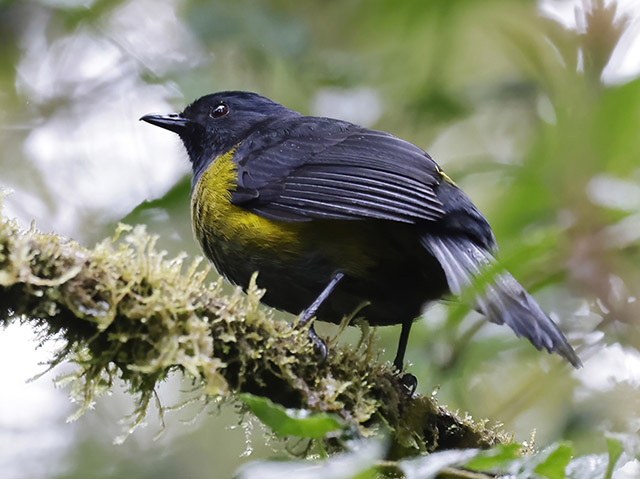
Costa Rica from 23rd of December 2024 to 4th of January 2025

Forewords

We had been in Costa Rica in February and we had enjoyed the trip as it had been easy and safe and we had also seen so many beautiful birds. Peter Wiestra from Aratinga Tours had planned an excellent trip for us so we had asked him to organize another trip for us on Christmas-holiday. On our first trip we had been concentrating more to photographing birds but this time our goal was to see lots of new and also some difficult species.

Finnair tried to sabotage out trip and first cancelled one of our flights and then moved another one 3 days later. Luckily after all we managed to arrange our flights somehow but we still had to stress because of Finnair was having strikes and anything could happen still on the last day.

On Friday the 20th of December after work we packed our luggage and then I dropped Hanna to the railway-station with our bags and then drove back home where I left our car and walked back to the railway-station. After about 3 hours we changed train in Tikkurila and soon we were in Helsinki-Vantaa airport. There we carried our bags to Comfort Hotel Xpress and still went to eat before went to sleep early.

On the 21st of December we woke up before 5 a.m. and soon we were carrying our luggage to the right gate where we were once again too early.

It wasn’t a surprise that our Finnair flight was once again late but luckily not too much and finally we landed to London Heathrow. While Carrion Crows were flying outside we walked to the next gate and finally at 12:10 p.m. our next flight left to U.S. Texas and Dallas Fort Worth.

It was a long flight but luckily it was finally over. At Fort Worth we tried to contact our hotel with the phones that were on the walls but none of them were working. So we walked out and tried to find the right place where to pick up a ride to our hotel. After all we had to call to the hotel with our own phone and ask help. Then we had to carry our luggage all the way to the other side of the ramp where we finally were on the right place and soon our ride arrived.

It was only a short drive to our hotel Hyatt Place and soon we had carried our bags into our room. Then we went out to walk a little as we hoped to see any birds. The hotel was situated close to a lake but there were big roads on the both sides so there really wasn’t too much nature. Anyway we saw plenty of Mourning Doves and when it was getting dark we saw lots of Mallards with some smaller ducks – probably Gadwalls – and one flock of Ring-necked Ducks in flight. We also saw a couple of voles and a rabbit.

Birding in Dallas Fort Worth

On the 22nd of December we woke up early and on the previous evening I had loaded an Uber App and ordered a ride to River Legacy Park. Our ride came right on time and soon we were at the park gate.
It was still dark but with thermal camera and flashlight we found our first birds that were a Brown Thrasher and a Northern Mockingbird. When the sun started to rise we found White-throated Sparrows, Harris’s Sparrows, a Hermit Thrush, Carolina Wrens and Northern Cardinals.

Harris's SparrowRuby-crowned Kinglet

When we had walked inside the forest we found also Red-bellied and Downy Woodpeckers, Carolina Chickadees, Tufted Titmice, Ruby and Golden-crowned Kinglets, a Northern Flicker, Blue Jays and Eastern Phoebes. Early in the morning there were only a couple of other people jogging or walking their dogs so we could do birding in peace.

Carolina ChickadeeDowny Woodpecker

After some walking we got to an opening where was good visibility to every direction. Soon we saw some flocks of Double-crested Cormorants and American Pelicans and also a flock of American White Ibises in flight. On the big trees there were lots of Myrtle Warblers, American Goldfinches and House Finches. And further on the back of the opening there were trees full of Red-winged Blackbirds and some Common Starlings. A Red-shouldered Hawk was calling and also seen briefly and Song Sparrows were singing.

Myrtle WarblerRed-shouldered Hawk

Other birds we saw were a White-winged Dove, Black and Turkey Vultures, American Crows, American Pipits and Common and Large-tailed Grackles.

We had a tight schedule so we tried to find a shortcut to Arlington Drying Beds that was nearby. And luckily we found a path that went between old sewage water pools towards the right direction.

There were lots of waterfowl on the pools: Mallards, Gadwalls, Northern Pintails and Shovelers, but also American Wigeons, Green-winged Teals, Ring-necked Ducks and some Buffleheads and we also found a couple of Wood Ducks and the first American Coot.

DucksBuffleheads

Some of the pools were dry and overgrown and behind the pools there was a big meadow where weren’t many birds but almost all of them were lifers for us. A Savannah, a LeConte’s, a Vesper, some Swamp and Lincoln’s Sparrows were seen and a couple of Chipping Sparrows were heard. We also found a Winter Wren and a mixed flock of Eastern and Western Meadowlarks. Lots of Ring-billed Gulls were flying over us and finally we saw one Bonaparte’s Gull too. Also 4 Forster’s Terns and Least Sandpipers, 8 Canada Geese and a male Hooded Merganser were seen in flight and from the pools we found a Killdeer, some Wilson’s Snipes and Common Yellowthroats. Also a few Red-shouldered Hawks and a couple of Red-tailed Hawks and American Kestrels were seen.

Lincoln's SparrowNorthern Cardinal

We had to keep on walking around the pools in a hurry but still managed to find a flock of Cedar Waxwings, a couple of Brewer’s Blackbirds and plenty of Eastern Bluebirds.

Cedar WaxwingEastern Bluebird

Along the bigger road we still saw a Great Blue Heron and a Pied-billed Grebe. And once we had walked back to the park-gate, our Uber arrived soon. And once we were back at our hotel we had our bags waiting on the reception and soon a bus took us to the airport.

To Costa Rica

At 4:55 p.m. our flight left to Costa Rica and San Jose where we landed to Juan Santamaria airport at 9 p.m. After we had found our luggage we soon found our Transuca driver and soon we were sitting in a big car that drove us to familiar Hotel Bougainvillea.

Bougainvillea

On the 23rd of December we woke up early and soon we were ready to walk around Bougainvillea garden. Most of the birds we found were the same – not just the species but also individuals – that we had seen on our previous visit in February. It was raining and very windy but anyway we managed to find about 40 species which some better ones were a Mottle Owl that was hiding inside the same bamboos again, a Squirrel Cuckoo, Inca Doves, a Lesson’s Motmot, White-eared Ground Sparrows, a Chestnut-capped Warbler, a Rose-breasted Grosbeak and a Golden-hooded Tanager.

Squirrel CuckooLineated Woodpecker

After the breakfast the same driver, Carlos, arrived with his big car and we started a long drive over the mountains to Alajuela and Heliconias Lodge. There were lots of big trucks driving very slowly on the up hills so the drive took longer than we had expected. It was still raining almost all the time and time to time heavely. Anyway we managed to see some birds on the way like a Muscovy Duck, a Bare-throated Tiger Heron, a few Laughing Falcons, a Ringed and a Belted Kingfisher and so on.

Heliconias Lodge and hanging bridges

Finally after 5 hours we parked in front of Heliconias Rainforest Lodge and soon we got a nice cottage where we carried our stuff.

It was still rainy but of course we had to go birding soon. We headed to walk around the forest-path that had some very high hanging bridges. There weren’t many birds in such bad weather but after all we found a single Tody Motmot and a Long-tailed Manakin and heard a Blue-black Grosbeak and a Northern Schiffornis. We also saw some Black-and-white and Golden-winged Warblers and while we were walking back to the lodge in darkness, we heard a Slaty-breasted Tinamou.

Hanging bridgeTody Motmot

On the lobby we just accidently met Jessy Lopez Herra who was our guide on the next couple of days. So we managed to change our plans so that we would start a little bit earlier on the previous morning.

Christmas Eve

On Christmas Eve, the 24th of December we met Jessy at 6 a.m. and soon we were walking along the familiar path. Luckily the weather forecasts had been wrong and it wasn’t raining. It was still a little bit windy but not too much.

After we had seen a distant Rufous Motmot Jessy picked up the first tick from the calls and soon we were watching a small flock of Streak-crowned Antvireos. After some hundreds of meters walking Jessy showed us a Crested Owl that was roosting inside a dense tree. Again there weren’t many birds in the forest but soon Jessy found a small flock of Carmiol’s Tanagers and almost immediately also a female Tooth-billed Tanager.

Crested OwlCarmiol's Tanager

We continued along a smaller path until an opening where we soon found a funny-looking White-ruffed Manakin. And soon I saw a bigger bird flying straight towards us and landing to a next tree from us – it was one of our main-targets a Yellow-eared Toucanet! Soon we found out that there were 2 more female-plumaged toucanets on the same tree already so there was probably a mom with 2 young birds. One of the birds was showing a little bit better so we of course took lots of pictures of it.

White-ruffed ManakinYellow-eared Toucanet

White-throated Thrush

When we continued lower along the grassy opening, we saw a couple of Grey-chested Doves. In the middle of the lower part there was a bigger tree and soon we saw a female Snowcap visiting the tree-top. It left very soon but almost immediately we saw a Blue-throated Sapphire feeding on the same tree. It also flew away too soon for the pictures but then Jessy heard a song nearby and with playback he managed to lure a White-throated Thrush to the same tree and it stayed there for long enough for better pictures. And once we were climbing back up towards the path, we heard a Stub-tailed Spadebill.

We continued along the path over the next hanging bridges but inside the dark forest there weren’t many birds and especially there was nothing to photograph. Finally we heard a Northern Nightingale-Wren singing and surprisingly it came right next to us to sing and I managed to get really good pictures of this bird which is not usually easy to see.

Northern Nightingale-WrenBroad-billed Motmot

Jessy kept on playing calls of Keel-billed Motmot which was one of our main-targets. Usually we didn’t get any response but a few times we heard exactly similar calls. But when we managed to lure these calling motmots closer they were always Broad-billed Motmots which have exactly similar call. Actually these two species have been breeding together too but they haven’t produced hybrid youngsters.

Tapir

We had walked almost around the whole trail when we heard distant dog-barks. Jessy thought that dogs, that were illegally in the park, were chasing some animal and it didn’t take long when we heard cracking sounds behind us, turned around and saw a huge Tapir running across the trail! Luckily the dogs had lost its trail and were hopefully following our footprints as we didn’t hear them anymore. So hopefully the Tapir could stay safe and relax.

Before we were back at the lodge we had still found several lifers or Costa Rican ticks like Rufous-winged Tanagers, Golden-crowned Warblers, a Kentucky Warbler, a Stripe-breasted Wren, Tawny-crowned Greenlets, Spotted Antbirds, Russet Antshrikes and then we had of course seen and heard many other birds that we had observed on our previous visit to Costa Rica. One of the better birds to mention was a Rufous Mourner. We had also heard Mantled Howlers and seen White-faced Capuchin Monkeys and a couple of Central American Pygmy Squirrels.

After the lunch we went to walk along the same trail again with Hanna. We visited the same opening again but there weren’t any birds. It was very quiet everywhere in the forest but this time we managed to find a Stub-tailed Spadebill visible and get some pictures too. We also got some pictures of a Northern Black-throated Trogon, a Carmiol’s Tanager and Broad-billed Motmots which we again found a few. The weather was nice so we got better landscape-pictures from the bridges too.

Northern Black-throated TrogonStub-tailed Spadebill

It was already getting dark when an older birder-lady with her guide passed us as we were checking every tree with our thermal camera. We managed to find some sleeping birds which the funniest was a Streak-crowned Antvireo.

Green HoneycreeperStreak-crowned Antvireo

Soon we saw these two birders in front of us again and they had just seen a Keel-billed Motmot digging a nest on the side of the path. They had just accidently found the bird with their flashlight and the lady had managed to get some good pictures of it. The bird had flushed straight up and disappeared to the darkness. So of course we still tried to find this bird that we had been searching for a lot already but we couldn’t find it. So after all we were a little bit disappointed when we walked back to the lodge.

In the evening we had Christmas-menü on dinner which was really good.

Christmas Day birding nearby

On the Christmas Day, the 25th of December we met Jessy again at 6 a.m. and of course we went straight to check if the Keel-billed Motmot was back. It seemed that it might have been digging the whole a little bit more during the night but again we couldn’t find it.

White-throated Magpie-Jay

Once we were back at the lodge we saw a couple of bigger birds flying almost against the windows. These were 2 White-throated Magpie-Jays that seemed to be aggressive towards their reflections. We were happy to see this species that we hadn’t expected to see during this trip as they are mostly seen on Pacific coast. Soon the birds flew to trees nearby so we managed to get some pictures too.

After the breakfast we drove to Birdsongs Garden and saw a White Hawk flying over us on the way. Birdsongs Garden had been booked for us for the whole morning in our schedule but we had already on the previous day discussed with Jessy that we could stay there as long as it was worthy and then continue somewhere else as there were plenty of other birding places nearby.

Birdsongs Garden was just a small garden with lots of verbena bushes with violet flowers. These small flowers are many hummingbirds favorite! But first we saw only common Rufous-tailed Hummingbirds – and quite a few of them, which is never a good thing as they are very aggressive towards other small hummingbirds. So Hanna had time to organize a small fruit-feeder for tanagers and other birds too.

The first better bird we found was a Rufous-winged Woodpecker and soon we heard also calls of a Smoky-brown Woodpecker. We had found out that our target-species had been extremely rare lately and there had been only a couple of records in Birdsongs Garden. But we were lucky as after some waiting I saw a tiny hummingbird landing to the top of a stick that had been put there just for it – and immediately we started to take pictures of this beautiful Black-crested Coquette!

Rufous-winged WoodpeckerBlack-crested Coquette

We managed to get pretty good pictures of this stunning hummingbird before one of the Rufous-tailed Hummingbirds chased it away. Then we still spent some time in the garden and managed to see a Yellow Tyrannulet and photograph a Northern Plain Xenops very well before we decided to leave to Tapir Valley.

Yellow TyrannuletNorthern Plain Xenops

We paid for our entry to Tapir Valley and soon parked to a big private garden area with big forests and a small lake. Immediately we found a Slaty Spinetail but right then it started to rain very heavily so we didn’t get any pictures.

When the rain stopped we walked to the garden and soon found a Slaty-headed and a Black-headed Tody-Flycatcher and heard a couple of calls of a Northern Bentbill. We still saw a Purple-crowned Fairy and after desperate trying to photograph skulking Kentucky and Mourning Warbler, we continued to walk along the forest-trails.

Kentucky WarblerMourning Warbler

White-nosed Coati

There weren’t many birds in the forest but soon we were on a meadow where we found a couple of Grey-crowned Yellowthroats and then we surprisingly found an Orchard Oriole which was the first observation of this species in this part of the country for Jessy. Soon we stopped to a fruit-feeder where we found several Great Curassows, Montezuma Oropendolas, Yellow-throated Toucans, Collared Aracaris, Yellow-throated Euphonias and many different kind of tanagers and other birds. And again we saw a Yellow-winged Tanager which is very rare species in Costa Rica. There was also a funny White-nosed Coati stealing fallen bananas from the ground under the feeder.

Grey-crowned YellowthroatGreat Curassow

We continued walking along a flooded trail but it started to rain again. So we didn’t find many birds. There was a possibility to see a few very good birds and at least a couple of them had been seen on the very same day but all we found were a couple of Bright-rumped Attilas, a Slate-colored Grosbeak and again some Broad-billed Motmots. We also heard a couple of Rufous-tailed Jacamaris and so on.

Bright-rumped AttilaSlate-colored Grosbeak

Once we were back at the lodge we had lunch. There was a feeder right in front of the restaurant and while eating we managed to see also a Black-crested Coquette visiting flowering bushes briefly.
After the lunch we went to walk along the same forest-trail again and tried to find the Keel-billed Motmot but the best observation was a Brown-throated Sloth which was very funny to watch climbing higher and then carefully move from a smaller tree to a bigger one.

Spotted AntbirdTody Motmot

When it was getting dark we headed back towards the lodge and still managed to find a Tody Motmot and a Ruddy Quail-Dove with a thermal camera. We also heard a Pauraque and a Short-tailed Nighthawk. At the dinner we had the same Christmas-menü again.

Late in the evening I still went to see a Great Potoo that was perched on a light a couple of hundreds of meters along the road.

Finally Keel-billed Motmot

Keel-billed Motmot

On the 26th of December we started walking along the same trail once again. We headed to the first bridge and then started walking back. We didn’t find anything new even though I was checking almost every tree with thermal camera. I was about to pack the camera away but looked through it once more to see if it was on or off, and once it still was on I looked one more time around me and saw a bright spot in front of us. And there it finally was – a Keel-billed Motmot! It was perched only a few meters from us and it was so tame that we could have easily passed it without noticing it. It was still quite dark but we managed to get good pictures of this bird that really had been difficult to find.

After the breakfast we packed our luggage and at 9 a.m. we were on the lobby waiting for our ride. Then the reception got a phone-call and it was for us. It was Pieter from Aratinga and he was telling that our driver was accidentally on another place called Heliconias – which was on the other side of the country!

So we had to wait for our ride for 3 more hours. We had been walking along the trails so much that we decided not to go there anymore. So we were watching the feeder and did a short walk along the road but found only some common species – luckily some of them we managed to photograph. We were also enjoying the views on the parking place and managed to see a King Vulture flying on the sky. But then we just took it easy and relaxed.

Streak-crowned AntvireoTooth-billed Tanager

Finally our ride came one more hour late and we could start a long drive to Limon and Centro Manü. The roads were again very slow but not only because of other traffic but also because our driver wasn’t very fast. It was again raining too so we didn’t see many birds – a few Great Green Macaws were only birds to mention.

As we were late from our lunch in Centro Manü we were about to eat in Puerto Viejo near La Selva. But after all we drove quite a long way more until we finally stopped to a restaurant which our driver seemed to know well. I was really hungry so I ate a huge portion and after that we had only a short drive to Centro Manü where we soon had the dinner…

Centro Manü

In Centro Manü we got a pretty simple cottage but it had everything we needed. And the garden was excellent! Unfortunately it was already getting dark so we didn’t see many birds.

In the evening we still had a frog, snake and other bugs trip with Kenneth who was keeping the place. We saw plenty of interesting frogs which the most stunning ones were a Coronated Treefrog and a small Ghost Glass Frog. We also found spawn of another glassfrog-species, a weird-looking salamander and a couple of snakes and so on. I also found a couple of sleeping Wood Thrushes and a White-ruffed Manakin.

Coronated TreefrogGhost Glass Frog

Early morning of the 27th of December we met our guide Gabriel outside our cottage and soon started birding in the garden. We soon saw a couple of roosting Great Potoos which other ones awful call Hanna had heard at night. Nice finds were also Bay-headed Tanagers that were on a top of one big tree, Russet-naped Wood-Rails that were walking on the grass, Keel-billed and Yellow-throated Toucans and Collared Aracaris that were visiting a fruit-feeder with some tanagers and so on. We also saw a male Snowcap briefly feeding on a top of one flowering tree.

Great PotooRusset-naped Wood Rail

Bare-necked Umbrellabird

After the breakfast we headed to walk around the trail to the forest. Our main goal was to find one species for which Centro Manü had been one of the best places in the World in recent years. But for some reason lately there had been only one record a few weeks earlier. While we were walking we were asking Gabriel what kind of habitat the bird liked and how high in trees it usually was and so on. While we were walking along a muddy trail and crossing some small bridges, I kept on scanning the trees with thermal camera. I tried to concentrate to a little bit more open areas and about mid-level of trees as Gabriel had told and then suddenly I found a bigger bright spot in such a place. I raised my binoculars and there it was – a Bare-necked Umbrellabird! We had found one of our main target-species of the whole trip! We of course started to take pictures and didn’t mind really that the bird was a duller-looking female and not a very strange-looking male.

White-crowned Manakin

When the legendary umbrellabird flew into the forest and disappeared, we continued walking along the trail. The atmosphere was maybe a little bit too happy as we didn’t find many other birds. Anyway we found a nice male White-crowned Manakin which was moving quickly in the bushes and after lot more walking we finally found one Pale-vented Thrush. Of course some other birds were seen and heard too but in dark forest we couldn’t take many pictures.

Once we were back in the garden the morning trip was over. After the lunch we were walking around the garden, visiting hummingbird-bushes and checking the feeder and so on. We also spent time on our terrace which seemed to be very good place for some birds. The most surprising bird in our own garden was a Black-faced Solitaire.

Wood ThrushBlack-faced Solitaire

At 4 p.m. we were picked up by a Daniel who was a bird-guide in Arrieras Bird Observatory. We had an hour drive to the observatory but as we weren’t in a hurry, we stopped a couple of times on the way. Especially along one bigger river we saw some trip-ticks which best ones were a Fasciated Tiger Heron, a Red-breasted Meadowlark and a female Morelet’s Seedeater.

We were at Arrieras Bird Observatory when it started to get dark and there we met our other guide Dariel. But next we had a dinner which was served on the balcony. While we were eating, we heard a Central American Pygmy Owl.

MothHawk-moth

After the dinner David drove us up to a hill where Dariel was already and he had put up a bright UV-led light and a couple of white sheets. It was time to see some moths and other bugs and insects! Unfortunately the light was luring lots of very small insects and also Bullet Ants – also with wings. So we had to be careful next to the sheets.

The weather was very good but for some reason there weren’t as many moths and other bugs as we had expected. Maybe recent rains had been too hard for most insects? But after some more waiting some big moths and hawk-moths started to gather to the sheets. We also heard a Uniform Crake and a Middle American Screech Owl.

Later it was very quiet and no new moths were coming so we first walked around the hilltop and checked the trees with flashlights and found some more insects and also a nice Eyelash Viper. Then we went to walk around a muddy trail that was nearby and found some more insects and frogs. The best observation was a recently described Sylvia’s Leaf Frog. We also found some sleeping birds, a funny-looking Kinkajou and 3 small porcupines that were climbing in a fallen tree.

Shield MantisSylvia's Leaf Frog

When we climbed back up to the hill there weren’t new moths on the sheets. So at 11 p.m. we decided to pack everything and started driving back to Centro Manü. At midnight it was time to say thanks and goodbye to David and Darier. It had been an interesting experience! And for sure Arrieras would’ve been a great place to do birding during the day too but this time it wasn’t in our schedule.

Pale-vented Thrush

On the 28th of December we had full day free in Centro Manü. Because of the flights had been changed several times, we had got an extra day and we had chosen to spent it in Centro Manü where we could do birding easily just by ourselves. In most lodges it is not possible to go to rainforests without a guide.

Early in the morning a Collared Forest Falcon woke us up as it was very noisy. Then we walked around the garden and the best bird we saw was a Pale-vented Thrush. And after the breakfast we headed to walk to the same trail inside the rain-forest. Our goal was to find a male umbrellabird but we weren’t lucky. But we found some other nice birds like a Blue-throated Toucanet, a White-whiskered Puffbird and a Northern Bentbill. Two latter ones we managed to photograph quite well.

White-whiskered PuffbirdNorthern Bentbill

During the day we took a little bit easier. We walked around the garden and photographed birds that were visiting the feeder. We even slept a little. The best observations were a Grey-headed Kite that landed to a tree next to the feeders and a Tawny-capped Euphonia that disturbed our lunch by coming to the closest tree next to our terrace. We also had long discussions with a Mealy Amazon that was living in a big fruiting tree in our garden.

Grey-headed KiteTawny-capped Euphonia

In the afternoon we were again checking the hummingbird-bushes, feeder and treetops but didn’t find anything new – but of course we saw quite a few nice birds anyway.

Strawberry Poison-dart Frog

When it was dark, we still headed out to try to find some frogs and so on. We managed to find one Strawberry Poison-dart Frog and several more ordinary-looking frogs. There was a group of more professional herpetologists examining the area and we managed to see some of the animals they had found too.

On the 29th of December we were still walking in Centro Manü garden in the morning but without any new observations. Of course we did some photographing on the feeder again. Finally we had to pack our stuff and our ride arrived a little bit early so before 9 a.m. we left towards Cartago and Quelitales.

Collared AracariMontezuma Oropendola

Quelitales

After a few hours driving we finally climbed up to Hotel Quelitales and soon we got a nice cottage where to carry our luggage. Then we headed straight to have lunch as we were in a hurry to go to birding. There was a fruit-feeder in front of the restaurant but for some reason birds weren’t coming to feed. But a nice Ringed Kingfisher and a Red-crowned Woodpecker were perched on the tree nearby and a Laughing Falcon was perched on a tree top on the other side of the valley. We also saw a Long-tailed Silky-Flycatcher flying across the valley. A Yellow-bellied Elaenia came to perch to a top of the nearest bush. This elaenia had been identified as at least 2 more species in eBird so it is always worthy to pay attention what to believe on eBird. There are thousands of people visiting Costa Rica and birding with different kind of guides and also without guides.

Red-crowned WoodpeckerRinged Kingfisher

The owner of Hotel Quelitales was a cook that was also a bird-photograper. He was told to be very helpful for visiting birders but he didn’t really pay much attention towards us. While we were eating, he came to ask which species we wanted to see and of course I thought that wasn’t the only time he is talking to us and I asked only about a couple of birds which he told that they could be found near the waterfall. But that was all he talked to us.

Sunbittern

So after we had eaten we went out to search for this waterfall which was very easy to find. Next to the waterfall there were verbena-bushes and several hummingbird-feeders and soon we found also an open area which looked familiar – we had seen some of our target-species being photographed on this place.

We were first photographing the hummingbirds (Green Thorntails, a female Black-bellied Hummingbird, Green Hermits and Violet Sabrewings) and then decided to walk a little bit on the lower parts of the garden as we thought that one of our targets might be found there. After all we had only this afternoon for finding several target-species. Luckily Hanna soon found the first and one of the most important targets – a Sunbittern! It was moving slowly in the shadows but it was coming closer and closer and after we waited patiently it came very close and we managed to get really nice pictures.

White-bellied MountaingemGreen Thorntail

At midday it was hot so we relaxed a little but then headed back up to the waterfall for the rest of the day. In first 2 hours we saw only the same hummingbirds. We expected to meet our host there as he had mentioned that he is feeding birds there at 3 p.m. but he never came. About at 4 p.m. an older birder-lady came there and she told that she had seen a couple of our target species very late, after the sunset in the previous evening. So all we could do was to keep on waiting.

Green ThorntailBlack-bellied Hummingbird

When it started to get dark we finally saw the first bird hopping on the ground on the opening. It was a Slaty-backed Nightingale-Thrush. Soon a White-eared Ground Sparrow came to feed some rice that it managed to find on a stump. So at least there was something to eat there. And then we heard some noisy birds coming and 2 Sooty-faced Finches arrived to feed.

Sooty-faced FinchSlaty-backed Nightingale-Thrush

Green-fronted Lancebill

It was already quite dark and we were still missing a couple of species. So Hanna kept on watching the rice-feeder and I scanned the area close to the waterfall. And finally I found a bright spot with my thermal camera – a Green-fronted Lancebill was perched on a branch high up next to the waterfall. Soon it flew down and landed to the stick that was in the middle of the pool – it was there just for this species. And soon also another lancebill arrived and they started catching insects.

But the main-star, a Scaled Antpitta never arrived. This lady told us that it hadn’t been seen at least in two days at all. We still waited until 6 p.m. when we decided to give up. Later we heard that this antpitta had probably got disturbed by some raptor (Laughing Falcon?) and had been very difficult for quite some time.

The dinner was one of the best I have ever had so the owner really knew how to cook. But for some reason he still kept on avoiding us.

El Copal day

On the 30th of December we had one of the most awaited days of the trip – a guided whole day trip to El Copal. We met our guide Oscar Zúṅiga at 5:30 a.m. and were soon driving towards El Copal.

After almost an hour driving there were a couple of very steep up hills and our big car was really struggling. After all we had to go to stand to the back of the car with Oscar so the tires were holding better and finally we managed to climb up to El Copal observatory.

There was already a big group of older birders watching the fruit-feeder. Soon fresh fruits were served and immediately many very colorful tanagers started to arrive.

Emerald TanagerSilver-throated Tanager

Speckled Tanager was a lifer for both of us but also Emerald, Silver-throated, Red-throated Ant, Golden-hooded and Crimson-collared Tanagers were nice to see well.

Golden-hooded TanagerCrimson-collared Tanager

Speckled Tanager

There were also Tawny-capped Euphonias and we heard a Thicket Antpitta and a Brown-billed Scythebill calling nearby. But even though we tried, we couldn’t see the scythebill.

There were also many verbena-bushes in the garden and finally we saw a couple of male Snowcaps well. They were just too fast to get good pictures and always there were Rufous-tailed Hummingbirds chasing them.

SnowcapSnowcap

It was a little bit too crowdy and noisy so we really wanted to go to walk to the trails as soon as possible. Luckily we got the breakfast first and soon we followed Oscar to muddy rain-forest paths.

It was very quiet in the forest and Oscar didn’t like to use playback which for sure didn’t help us finding birds. So we had to walk quite a lot before we finally found our first bird, a White-throated Spadebill. But it was also moving so quickly in the shadows that it was impossible to get any pictures.

Then we walked again a long time without any bird-sightings until behind one turn we saw a Chiriqui Quail-Dove walking to the vegetation next to the trail and disappear. At some point Oscar and Hanna heard Ashy-throated Chlorospinguses calling somewhere high on the top of the mountain but they were too far for me. We still climbed over a place where a landslide had destroyed the trail but then it started to rain and we started hurrying back down towards the observatory.

Barred Hawk

On the way back we didn’t find any birds and once we were back at the buildings we soon had the lunch and then spent some time looking at the feeders again. I was also scanning the sky and managed to find a Barred Hawk that was soaring on the sky with a Broad-winged Hawk. I also found a Tropical Parula on one tree. Hanna was chasing the hummingbirds again with her gigantic camera (she was called a lady with a gigantic camera by some older birders that had been on the terrace for whole morning).

SnowcapTropical Parula

Soon we were again ready to go to the trails and this time we chose to climb up to the top of the mountain. It was a very steep, slippery and hard climb and for some reason there were almost no birds at all. Finally we found a couple of Plain Antvireos, a small flock of Ashy-throated Chlorospinguses and a Northern Schiffornis but they were all seen very briefly. Then it started to rain again and we started hurrying back.

Bicolored Hawk

We were quite tired when we were back on the observatory. Then Oscar suggested that we could leave so we would have time to try to see the Scaled Antpitta in Quelitales. But I thought that there were more possible lifer-species in El Copal and we decided to stay near the observatory until the sunset and try to find at least some new species there. And it seemed to be the right choice as soon we saw a Bicolored Hawk landing to a treetop nearby. And after some more waiting we saw a bigger flock of birds coming to eat fruits to one tree and there were several Tawny-crested Tanagers and also a Rufous-browed Tyrannulet. This was one of the flocks that we had been trying to find inside the forest. We had also been trying to find army-ants which are usually followed by many antbirds and other species. But maybe because of the cool and rainy weather we hadn’t seen any army-ants, all our guides had been wondering where they were.

Finally we left towards Quelitales and after all we were maybe a little bit disappointed as we hadn’t seen very many birds during the day. We had also been walking along all the best trails for hours and neither of us had taken a single bird-photo inside the forest. But anyway I had got 10 lifers and Hanna even a few more so after all we had got a pretty good day again.

On the last day of the year the 31st of December we woke up early and at 5:30 I had climbed up to the waterfall. On the way I saw a Sunbittern running with open wings and this was clearly a different, much more colorful bird than the one we had seen earlier. Soon also Hanna and our morning-trip guide Pieter Wiestra, the same Belgian man who has lived 20 years in Costa Rica and who has organized both our Costa Rican trips, arrived. It was good to finally meet Pieter.

The same Slaty-backed Nightingale-Thrush and a couple of Sooty-faced Finches came to the feeder again but no antpitta. So soon we left towards Ujarras.

Around Ujarras

After a short drive we found a flock of Bronzed Cowbirds perched on an electric wire. For sure we had seen this species before but only from a moving car so now it was the first time we could really identify it. We also saw one Giant Cowbird.

Cabanis's Ground Sparrow

Soon we parked along the road in the middle of coffee-plantations and started walking along the road. After a couple of hundreds of meters walking Pieter saw something moving inside the bushes, he started paying playback and soon we saw 2 Cabanis’s Ground Sparrows climbing visible. We had already found the main-target of the morning.

We continued walking along the road and soon saw a Garden Emerald landing to a wire and soon we found also a Ruby-throated Hummingbird and a Volcano Hummingbird which was the first ever for Pieter in this area. We also saw several Southern Lapwings and some Green Ibises and so on so the morning had been already better than we had hoped.

Ruby-throated HummingbirdGarden Emerald

Next we continued to Paraiso where we parked next to the central park and soon we found a couple of Tropical Screech Owls roosting on one of the trees. As we were really having a good time, we still decided to go to check one small pool so we could get some trip-ticks. But this pool was very overgrown and there were only a couple of Northern Jacanas.

Tropical Screech OwlNorthern Jacana

Black-bellied Whistling Duck

So even though Pieter for sure had other things to do, we still continued to one big park which had a bigger pond. There we found plenty of Muscovy and Black-bellied Whistling Ducks, some Northern Jacanas, a couple of Common Gallinules and a Green Heron. From the bushes we found an Orange-billed Nightingale-Thrush and on the trees there was a flock of Philadelphia and Yellow-throated Vireos.

Orange-billed Nightingale-ThrushYellow-throated Vireo

Then we drove back to Quelitales and it was time to say thanks to Pieter. He told us that we would probably meet again in a couple of days as he was going to lead a group of birders in the same place where we were going.

After the breakfast we packed our luggage and at 10:30 a.m. a big Adobe’s car came to pick us up and we left towards Gema del Bosque.

Long-tailed Silky-Flycatcher

Gema del Bosque

It took almost 2 hours to drive to Gema del Bosque which wasn’t far from the places where we had been on out February trip, very close to Los Quetzales NP. We got a small cottage with perfect mountain-view and soon we were having a dinner in the restaurant. There were hummingbird-feeders on the terrace and several Talamanca Hummingbirds, Lesser Violetears and Grey-tailed Mountaingems were feeding on them. There were also lots of verbena-bushes in the garden where a couple of Volcano and a single Scintillant Hummingbird were feeding.

Lesser VioletearVolcano Hummingbird

After the dinner we went to the lower part of the garden where were more feeders. The owner and our guide Erick Granados came to help us to set up feeders and branches so it was good to take nice pictures.

Acorn WoodpeckerYellow-thighed Brushfinch

In the afternoon we were just photographing the birds that came to the feeders. Funny flock of Spotted Wood Quails, Large-footed Finches, Yellow-thighed Brushfinches, Flame-colored Tanagers, an Acorn Woodpecker and also a nice Fiery-throated Hummingbird were photographed.

Flame-colored TanagerFiery-throated Hummingbird

In the evening we had good New Year’s dinner but when the year was changing, we had already been sleeping for several hours…

Resplendent Quetzal

The first of January 2025. We started the year with a Dusky Nightjar that was calling. We met Erick at 5:30 a.m. and soon left driving. Finally we parked to a private garden and soon saw that there were several artificial nests and sitting branches for Resplendent Quetzal. It didn’t take long when we found a quetzal pair and we managed to get a couple of pictures of the female but soon it flew inside a dense forest. We tried to walk to another place where we might see them better but soon we saw them flying to another forest.

We followed the quetzals and soon found the male again but it was in the middle of a dense tree. So we decided to just wait if it would move to a better place.

Erick was playbacking different kind of birds and soon we got a couple of nice Flame-throated Warblers to photograph and then Erick heard a White-fronted Tyrannulet which also came to see the playback but only very briefly. Then Erick noticed a rare bird on the top of one tree – a male Peg-billed Finch! With Hanna we also saw female but again they disappeared too soon for the pictures.

White-fronted TyrannuletFlame-throated Warbler

Resplendent Quetzal

Finally we heard a female quetzal calling and soon the calls started to sound more demanding. Then the male started to move and finally flew to one branch where I could see it well. I took lots of pictures of this stunning bird which soon picked up an avocado and ate it. Luckily I was standing on the only spot where the bird was well visible and soon it flew into the forest.

We decided to continue birding and drove to one small road where we soon parked and again Erick started playbacking. First he played Maroon-chested Ground Dove but there was no response, but then to Buffy-crowned Wood Partridge we heard a distant answer. We walked towards the call and soon Hanna saw one partridge running into some blackberry-bushes. Soon we heard several birds calling very close to us but we just couldn’t see them.

Lineated Foliage-gleaner

Next we continued to Los Quetzales NP road and mostly just heard plenty of trip-ticks which some were pretty good: Spot-crowned Woodcreepers, a Silvery-fronted Tapaculo, a Wrenthrush, Chestnut-capped Brushfinches, an Ochraceous Pewee, a Golden-browed Chlorophonia and so on. Finally we found a small flock of Lineated Foliage-gleaners which was a new species for us.

Once we were back at Gema del Bosque we had lunch and the rest of the day especially Hanna was photographing hummingbirds. There was another feeder in the forest where our cook carried some leftovers and Spotted Wood Quails were extremely tame there. I also saw a Buff-fronted Quail-Dove there. Finally I had to go to sleep for an hour but Hanna kept on photographing hummingbirds.

Spotted Wood QuailBuff-fronted Quail-Dove

After the dinner we had a long-awaited owl-trip with Erick. Unfortunately it had been raining very hard whole evening and it was still raining. Our target was to find an Unspotted Saw-whet Owl, which Erick knew better than maybe anyone. So soon we were making stops inside the forest and playing playback and hoping to hear any answers. But the forest was very wet and drops were quite noisy in the darkness. So it wasn’t a surprise that we didn’t hear a thing.

Fortunately the rain stopped but then wind started to blow. We made lots of stops in very good looking forests but couldn’t hear any owls until finally we heard a wheezing voice – a Bare-shanked Screech Owl. Well, at least there was one owl active…

Bare-shanked Screech Owl

On the next stop we heard another Bare-shanked Screech Owl and this time we managed to see the bird pretty well. But the wind was getting stronger and stronger so we had to try to find places that were in cover from the wind. Erick hadn’t been sleeping much because of there had been some New Year celebrations in his neighborhood so after all we started to be quite tired. We still made several stops but after all we couldn’t find any Unspotted Saw-whet Owls. Our last observation were 2 Coyotes that crossed the road.

On the 2nd of January we took the morning pretty easy. Of course we were photographing hummingbirds and other visitors of the feeders. We even saw a Sharp-shinned Hawk flying over the garden.

Grey-tailed MountaingemTalamanca Hummingbird

At 10 a.m. Andres Chinchilla arrived to pick us up and it was time to saw thanks to Erick and other very nice staff of Gema del Bosque.

Birding along the way

With Andres we soon turned to a road that took us as high as it was possible to get by a car to Las Antennas. We had hoped to get some nice trip-ticks easily but for some reason there were absolutely no birds at all! We walked around for 30 minutes but found only a few Slaty Flowerpiercers. Luckily we had seen all the special birds of this place on our previous visit in February.

So soon we continued driving towards south and next we stopped in Mirador Valle del General restaurant where we also had been in February. We ordered lunch and got the best table with the view not only to the mountains but also to the hummingbird and other feeders. It didn’t take long when we saw a Snowy-bellied Hummingbird and when we had got our food, I remembered to mention Andres about our second target-bird of this place – a Streaked Saltator. Then Andres started whistling saltator’s song so amazingly well that in a few seconds there was not only one but two Streaked Saltator watching at us from the nearest bush!

Snowy-bellied HummingbirdStreaked Saltator

We still photographed hummingbirds and other birds for some time before we continued to San Isidro where because of traffic jams we turned to smaller roads and continued along them to Valle de La Luna where we had our accommodation.

Purple-crowned FairyViolet Sabrewing

Valle de La Luna

The owner of Valle de La Luna, Janet didn’t speak almost any English but with help of Andres, we managed to get all important information and soon we had carried our stuff down to the lower part of the garden to our quite big house.

We agreed to meet Andres early on the next morning and then soon climbed back up to the main house’s terrace. We had brought our telescope with us only because of this afternoon and Hanna started scanning the further treetops with the scope and I kept on scanning the closer trees.

Pretty soon we found a couple of Golden-naped Woodpeckers that landed to a tree nearby. And then Hanna found what we were looking for! She was looking through a small hole between a couple of trees and found a small blue dot that was on the top of extremely distant tree. But with the scope it was possible to see some details and it was indeed a male Turquoise Cotinga! We also heard a Riverside and a Rufous-breasted Wren so the afternoon had been quite good!

Golden-naped WoodpeckerTurquoise Cotinga

In the evening we had delicious dinner and then we were speaking “spanglish” with Janet and paging her bird-book until we were too tired and we had to go to sleep.

Isthmian Wren

Around Cusingos and Nubes

On the 3rd of January we met Andres at 6 a.m. and started birding in Valle de La Luna garden. Right away we found the same wrens and soon Andres found a Charming Hummingbird that landed to a top of one high tree. We still saw a Streaked Saltator too.

We had breakfast at 7 a.m. and while eating Andres heard a distant song – he started playing playback and soon we had an Isthmian Wren jumping on the closest bushes. And on the top of one distant tree we saw a Brown-throated Sloth.

Bicolored Antbird

After the breakfast we left birding and pretty soon made a couple of stops to scan distant treetops. And on the second stop we found a male and a female Turquoise Cotingas. Soon we stopped on the road next to Cusingos forest but it was very quiet there. Only a couple of Bicolored Antbirds came close to us. So we continued climbing higher along a road that went through some farmlands towards Nubes NP.

We made a couple of stops along the road and checked verbena-bushes without luck of finding a White-crested Coquette, but we found a couple of Pale-breasted and Slaty Spinetails and a couple of Olivaceous Piculets.

Pale-breasted SpinetailSlaty Spinetail

Finally we parked next to Nubes and walked to the forest-trail. Pretty soon we heard a bird-flock and found several Red-crowned Ant Tanagers, a few Slaty Antwrens and also a Spotted Barbtail. After some more walking Andres found a White-tailed Emerald that was feeding on the tops of a flowering tree and moving very fast before disappearing to the forest.

Olivaceous Piculet

We also found a Brown-billed Scythebill that was so aggressive towards the playback that it almost hit me. Then we still heard a Southern Nightingale-Wren singing before we walked back to Andres’s car and started to drive back down. Next we curved to Andres’s home-road and parked in the middle of some dense bushes and walked in the middle of them. Soon we heard faint calls of a few Costa Rican Brushfinches, but they were really difficult to see. After some trying we managed to see them pretty well but they were impossible to get any pictures. Anyway we had ticked a really good bird again!

We were happy when we parked to Aracari Birding Deck which was a big feeder area next to Andres’s home. He had started to build it a couple of years earlier and it was really a good looking place! We met also Pieter as he was guiding a family there. And soon we had lunch that Andres’s wife had cooked for us under the roofs of the feeding place.

Central American Agouti

Then we of course photographed many birds that were visiting the feeder. Grey-cowled Wood Rails, Grey-headed Chachalacas, a couple of Lesson’s Motmots, a Red-crowned Woodpecker, Orange-billed and Black-striped Sparrows, Yellow-crowned Euphonias, Speckled, Bay-headed and many other tanagers and so on.

Lesson's MotmotGrey-cowled Wood Rail

There was also funny Central American Agouti feeding rice and chasing wood rails. We were already packing our camera-bags when an angry-looking Red-headed Barbet came to feed.

Bay-headed TanagerRed-headed Barbet

Long-billed Starthroat

When we had been driving a hundred of meters or so Andres noticed a Long-billed Starthroat perched on the top of one tree. Of course I had to take some pictures of it. Then we continued again to Cusingos but it started to rain very heavily. Luckily we managed to hear a distant Baird’s Trogon that started to call but it didn’t come any closer. And when the rain was just getting stronger, we decided to drive back to Aracari Birding Deck to photograph birds in rain.

There were still birds visiting the feeder but unfortunately there wasn’t any Spot-crowned Euphonias. And we weren’t really expecting to see any of the birds that had given the name for the place as there hadn’t been any very recent sightings, but when we were about leave, a small group of Fiery-billed Aracaris came to feed bananas. So we had now seen all the toucan-species of Costa Rica on this trip!

Fiery-billed AracariBlack-and-white Warbler

The rain was getting weaker but it didn’t stop until we were back in Valle de La Luna. There it was time to say goodbye to Andres who had been an excellent guide!

After the dinner we had to do some packing but Hanna still went out to the garden with a torch to search some frogs and other animals. And she managed to find at least one Red-eyed Tree Frog.

On the 4th of January we slept a little bit longer but when the sun was rising we were again walking in the garden. There were a couple of Fiery-billed Aracaris on the top of the closest tree and on the back of the garden we found a beautiful male Velvety Manakin. We also got some pictures of other birds.

Velvety ManakinRiverside Wren

Grey-headed Chachalaca

Finally we had to pack our luggage and soon we carried them up to the main-building. Then we just sat on the terrace and enjoyed the view and scanned the surroundings. We still saw a male Turquoise Cotinga in flight, the first Grey-breasted Martin of the trip and I saw a male Red-capped Manakin flying across the garden. A flock of Grey-headed Chachalacas came to say goodbye to us.

Towards home

Soon after the dinner our Adobe car came to pick us up and it was time to say goodbye to Janet. Then we started a long drive to San Jose.

On the way it started to rain again so at least I decided to get some sleep. In Cartago the traffic was completely jammed but finally we got to San Jose ring-road and after some more driving we finally parked to Hotel Buena Vista.

We got a nice room and in the evening we still had excellent dinner before we still had to do some more packing before we were ready to go to sleep very early.

On the 5th of January we had to wake up crazy early and already at 3:30 a.m. we got a ride to the airport. We managed to get through the queues easily and finally our flight to Dallas left in time.

In Fort Worth we had again a long wait and of course our Finnair flight was more than 2 hours late! But luckily we managed to sleep well on the plane and after a long flight we landed to Helsinki-Vantaa airport on the 6th of January at midday.

For some reason we had to wait for a long time to get out from the plane and once we had walked a crazy long way to the baggage claim, we realized that we were in a big hurry! We had only 40 minutes until our train was leaving from Tikkurila. We still waited for at least 15 minutes until the first set of bags had come but our bags weren’t there, so we decided to leave them and hurry towards the railway-station. Luckily there was immediately a train that took us to Tikkurila where we still had to climb up and down to the right platform. And amazingly we still had to wait for our train for 15 minutes.

So maybe we could’ve waited for some more to get our bags with us but we didn’t want to miss our Joensuu-train as it was Epiphany, the last day of winter-holidays and we thought that all trains might be absolutely full.

The train-trip went surprisingly fast even thought VR was of course late too. Finally we were in Parikkala 15 minutes late but luckily it wasn’t very late evening yet. We both had to go to work on the next day so we still had some time to relax before we had to go to sleep. And our luggage came after a few days.

J.A.
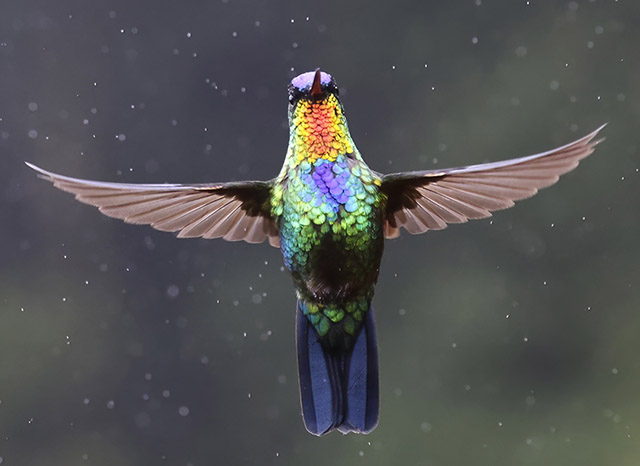
Costa Rica 19th of February to 1st of March 2024

Traveling

On Saturday the 17th of February we packed our car and started to drive towards Helsinki. We started driving early as the weather was really bad! We still turned towards Siikalahti as I had found a Great Grey Owl there on the previous day. But the road was so bad that it was impossible to stop at all. After all we were lucky to get back to the main road 6 as it the last uphill was almost impossible to drive. Finally in Lappeenranta the roads were getting better but anyway we decided to stay on as big roads as possible and drove to Helsinki via Kouvola.

Finally in Helsinki we continued to Tokoinranta where some interesting species had been wintering. There were at least 1000 Mallards but we found also 3 Gadwalls, a Great Crested Grebe, a Common Teal, a Tufted Duck, a couple of Canada Geese and Mute Swans and of course Common and Herring Gulls and House Sparrows.

After we had taken pictures of ducks on very slippery beach we continued towards Helsinki-Vantaa and finally parked to Skyline Hotel parking place. We got our room and took the rest of the day easy, ate well, packed our luggage and went to sleep early.

On the 18th of February we slept well and finally took a bus-ride to the airport at 9 a.m. There was no rush in the airport so we went through all formalities quickly and were at the gate far too early. There we soon met our traveling companions Jarmo and Sanna Pirhonen and the time went fast while chatting.

Finally at 12:30 p.m. our flight left towards United States. I had planned to watch a couple of movies before trying to sleep but in this Finnair plane the media-center weren’t working and there were only a couple of movies to choose and none of them was interesting. Anyway I watched one movie that I had seen earlier and then tried to sleep.

After all I managed to sleep well and long 10.5 hours flight didn’t feel too bad. After we had flight over several time-zones, we landed to Texas Dallas Fort Forth airport at 3:10 p.m. local time. The plane was driving long rounds around the airfield and it seemed there were no birds at all.

At the airport we had to check ourselves out and move our luggage to the right belt and after lots of queuing we still had to take a train to another terminal. From the train we managed to see Rock and Mourning Doves and a Great-tailed Grackle. When we got to right terminal we still sat down next to windows and saw an American Crow.

When we got to right gate we hadn’t got too much to wait and finally our American Airlines plane left towards Costa Rica at 18:59 p.m.
There was no media-center at all in this flight so I tried to sleep as long as possible and managed quite well. We stayed in same time-zone and finally landed to San Jose airport at 11:03 p.m. After some queuing we found our luggage and then at the lobby we found our Transuca driver that our trip-organizer Peter Wiestra from Aratinga Tours had arranged. And soon we were driving towards Hotel Bougainvillea.

After we had got our rooms, we still organized our stuff so that we were ready start birding early next morning. Of course we opened the balcony door shortly and listened some night-sounds and heard a couple of Pauraques calling. But soon we had to go to sleep as the day had been very long!

Bougainvillea

We woke up at 5:15 a.m. and it was still dark outside. Pauraques were still calling for few minutes before other birds started to call. We didn’t identify most of the calls but the most active callers were later identified as Brown Jays and Clay-colored Thrushes.

When the sun started to rise there were more and more birds calling so we took our gear and headed out. We had planned our trip so that we had very easy start and were staying in Hotel Bougainvillea for two nights and do birding only in hotels nice garden. We could rest from long traveling and yet-lag and then get familiar with common birds of Central America and find also some specialties that were possible to find in this three hectare garden.

When we got out to the garden we saw plenty of Clay-colored Thrushes and some Rufous-backed and Cabanis’s and White-winged Doves. A stunning Montezuma Oropendola flew over us and some other birds were just heard or seen too briefly to identify. The first pictures were taken of a Variegated Squirrel.

Rufous-backed WrenCabanis's Wren

It was quite windy but soon we found a couple of Lineated Woodpeckers that soon copulated. From thick bamboos we knew to search for an owl and I took my thermal camera and in seconds I found a Mottled Owl that was hiding deep inside the thicket.

After a short walk we found a beautiful Lesson’s Motmot which showed quite nicely so we could get some pictures. One the same trees we saw a Hoffmann’s Woodpecker, Cinnamon-bellied Saltator and after some more searching we found a Chestnut-capped Warbler, a beautiful Summer Tanager and a Red-billed Pigeon that came to drink to a small water-pool.

Lineated WoodpeckerLesson's Motmot

We found also several already familiar species like Great Kiskadees and Social Flycatchers, Tropical Kingbirds, Rufous-tailed Hummingbirds, Blue-and-white Swallows, Blue-grey Tanagers, Northern House Wrens, Rufous-collared Sparrows and also some Crested and Yellow-headed Caracaras were seen in flight. In the parking place we heard distant calls of House Sparrow.
While we were having breakfast we saw a Melodious Blackbird and when we were back in the garden the weather was already getting hot and Turkey and Black Vultures were soaring up in the sky.

Hoffmann's WoodpeckerCinnamon-bellied Saltator

We were walking around the garden and found a couple of White-eared Ground-sparrows and other birds we found were Rock and Inca Doves and a couple of White-tipped and Common Ground Doves. A Short-tailed Hawk was seen on the sky and a Barred Antshrike was heard calling. Some birds that were moving briefly on the top of trees were a Yellow-bellied and an Acadian Flycatcher, a Yellow-throated, a Yellow-green and some Philadelphia Vireos, Baltimore Orioles, Tennessee Warblers and American Yellow Warblers.

White-eared Ground SparrowRed-billed Dove

Parrots were much more difficult than we had expected as they were always just flying over us very fast. Anyway we managed to identify some flocks of Finch’s and Orange-fronted Parakeets, a small flock of Red-lored and a couple of White-fronted Amazons.

In the afternoon the garden was surprisingly quiet so after we had eaten, we rested a little. Then we headed back to park in the late afternoon. But still there were almost no new birds – just one Vaux’s Swift that flew over me. Jarmo had been watching birds from their balcony and he had seen a couple of White-tailed Kites.

When it was already dark we had dinner and pretty soon we were ready to get some sleep.

Mottled Owl

On the 20th of February the weather was still windy but it was also raining a little. So there was much less birds in the garden. We still walked around until the breakfast but found mostly the same birds than on the previous day. Only new bird was a Common Tody-flycatcher and Jarmo managed to see a Rose-breasted Grosbeak and a Palm Tanager. When we were having breakfast a local guide who we had been talking in the evening came to tell us that the Mottle Owl was now showing much better in the bamboos. So we ate quickly and went to take pictures of this beautiful owl. Then we had to hurry as we had to be in the lobby at 8:15 a.m. with our luggage.

To Pacific coast

Our driver for the whole trip Emidio Soto arrived in time but it was a surprise for us that he didn’t speak any English. And it seemed that he had expected us to speak Spanish – so he was also surprised. But luckily this wasn’t a new situation for us and especially Hanna is excellent in explaining things with some easy English or only Spanish words we know or by drawing or any necessary ways. So soon we had packed our Hiace and were ready to hit the road.

San Jose was a mess as there was too much traffic everywhere. And of course there was some accident right on our way and we had to drive and extra hour to get to main road that was leading towards west and Pacific Ocean coast.

On the way we saw only a few birds. We managed to identify Western Cattle and Great Egrets, some Barn Swallows and a flock of Shiny Cowbirds. We had planned to stop on a Crocodile Bridge on the way but there were too many tourists so we decided to skip that. Anyway we managed to see one big American Crocodile floating on the river.

We were on the coast in Tárcoles so early that we decided to turn to Playa Azul where we stopped on the sand-beach. We took our telescope and walked to the shore. It was +35 degrees and sun was burning but anyway we stayed there for some time and managed to see Brown Pelicans, Magnificent Frigatedbirds, Laughing Gulls, Neotropic Cormorants and Royal Terns. A flock of Sanderlings were running on the sandy shore and further along the beach we saw a couple of Willets. Mangrove Swallows were flying over the trees and we also saw a Wood Stork and an Osprey in distance.

Royal TernMangrove Swallow

We still continued to the end of the road where we found nice mangrove along the river but the visibility wasn’t too good. We found some Little Blue Herons, a Least and a Solitary Sandpiper. But soon it started to feel too hot to continue so we decided to continue driving towards our accommodation where we were supposed to drop our bags before our afternoon trip.

But we didn’t drive for long before we noticed birders along the road. There was a guide showing something that was perched right above the road with his telescope. We asked if they didn’t bother if we also check what bird there is and they were all very kind. And what a bird there was – a stunning Black-and-white Owl! In the same tree we saw also a Streaked Flycatcher and a Rose-throated Becard.

Black-and-white OwlScarlet Macaw

Once we were driving again we saw a big group of people watching and photographing towards a tree-trunk and right away saw a beautiful Scarlet Macaw. Of course we stopped again and found out there was a pair of macaws posing next to their nest-hole.

After we had taken photos of the macaws we continued towards south and after about 15 minutes turned to Selva Color Lodge. The manager of the lodge was just leaving somewhere but luckily saw us and turned around and soon we had carried our luggage into our cottages.

Orotina

And then we drove again past Tárcoles towards Orotina before turned to smaller roads and finally at 2 p.m. we parked to garden of our guide Alvaro Gutierrez.

Alvaro was already working and right away he showed us a stunning Fiery-billed Aracari that he had attracted to a treetop nearby by using playback. Soon he was playbacking again and almost right away we got an answer and soon a beautiful Turquoise-browed Motmot flew to bushes next to us and we managed to get some pictures of it. We also saw a Blue-vented Hummingbird on a top of one tree.

Fiery-billed AracariTurquoise-browed Motmot

Jarmo and Sanna stayed in the garden and tried to photograph birds that were visiting the feeder and bushes and trees around, but with Alvaro we headed to a steep hilly forest. We had planned the whole trip so that there was always something to do for all of us as. If some birds or places were too difficult to walk for any of us, there was always an option – feeder or other good birding place to stay. And all our accommodations were right inside good birding areas.

We were walking on a very noisy dry leaves up and down to a forest where we started to find some nice birds: a Squirrel Cuckoo, a Yellow-olive Flatbill, a Streak-headed and an Olivaceous Woodcreeper, a Mistletoe Tyrannulet, a Dusky-capped and a Boat-billed Flycatcher, the same familiar vireos and warblers than we had already seen and also an American Redstart and an Orange-billed Sparrow. After some walking we saw a couple of Spectacled Owls that were hiding in a tree. These owls were surprisingly shy and flew inside the deeper forest and we didn’t want to bother them more.

Spectacled OwlGartered Trogon

Long-tailed Manakin

After we had seen a beautiful Gartered Trogon and a funny couple of White-whiskered Puffbirds, we stopped inside the woods and Alvaro played some calls. And soon an absolutely beautiful Long-tailed Manakin arrived to its dancing place. Unfortunately manikins are dancing only early in the morning but we were lucky that this one bird came to see us. The place was very dark so we didn’t get very good pictures.

Once we were walking back to Alvaro’s garden we heard a Striped Cuckoo and soon we met Jarmo and Sanna who had been photographing some Red-legged Honeycreepers visiting the feeder and also seen a Scrub Euphonia.

Ferruginous Pygmy Owl

Soon we drove towards the drier parts of Orotina and did a couple of first stops without any new birds. We also tried to find a Pacific Screech Owl without luck. Then we had to wait for a long time before a Lesser Ground Cuckoo responded to Alvaro’s playback. It came slowly closer but after all only Jarmo managed to see it very briefly. Luckily we all heard it calling many times.

Surprisingly the most common bird was a Barn Swallow but we also saw a flock of Groove-billed Anis, some Plain-breasted and Ruddy Ground Doves, a few Orange-chinned Parakeets and a Variable Seedeater. In a couple of places we saw some Mantled Howlers on the top of trees.

On the next stop we heard a Double-striped Thick-knee and saw a Grey-crowned Yellowthroat and soon we saw also a Laughing Falcon. It was already getting late so we tried the Pacific Screech Owl again in the same place and this time it arrived to a branch and showed really well.

Pacific Scops OwlStripe-headed Sparrow

After some trying we found a family of Stripe-headed Sparrows and on the same place we had a nice flock of birds with a couple of Blue-black and Yellow-faced Grassquits, a couple of Blue Grosbeaks and a female Painted Bunting. So we could be very happy for this stop.

We dropped Alvaro back to his home and then still saw a Lesser nighthawk flying across the road before we went to eat to a local roadside restaurant. While we were eating we still saw the first Tropical Mockingbird.

We did some shopping for the next day before headed to Selva Color. Others were deleting bad pictures and I was keeping the log.

Carara National Park

Collared Forest Falcon

On the 21st of February we woke up early and saw some Yellow-throated Toucans and Orchard Orioles and heard a Ruddy Quail-Dove and a Grey Hawk calling and some Bananaquits singing. We had ordered an early breakfast and after that we drover about 7 kilometers to Carara National Park parking place. There we immediately saw a hawk perched almost in the middle of the parking place but some stupid people were going too close to photograph it with their cell-phones. So we couldn’t get good pictures of this stunning Collared Forest Falcon.

We met our guide Santiago Adaniz and soon started walking along the paved tracks to Carara rain-forest. Jarmo and Sanna decided to walk slowly and stay close to the gate as we knew we were going to walk quite a lot with the guide.

Tropical Royal Flycatcher

In the beginning of the trail we heard a Short-billed Pigeon and a Cocoa Woodcreeper before we came to a river where Santiago showed us a nest of a Tropical Royal flycatcher. The nest was already empty but we soon found the adult birds catching insects and carrying them for youngsters than were hiding inside dense bushes. One of the adults came pretty close to us a couple of times but it was always behind branches so we didn’t get very good pictures.

We also saw the first Chestnut-sided Warbler and Northern Waterthrush of the trip and after some more walking we found a Pale-billed Woodpecker, a Strip-throated Hermit, several noisy Rufous Pihas, a Northern Plain Xenops and a Northern Barred, a Black-striped, Spotted, Streak-headed and a couple of Cocoa Woodcreepers. A couple of Velvety Manakins were heard but only a female was seen briefly.
Deeper inside the forest we found finally a Great Tinamou visible after hearing several already. And after we had heard some Northern Black-throated Trogons we finally found one visible but it was a Black-headed Trogon. After some more walking we were crossing a small bridge when I noticed something bright red on the bottom of a narrow ditch and it was a beautiful male Red-capped Manakin. There was a couple having a bath.

Great TinamouRed-capped Manakin

We took a shortcut along a muddier path to another track and then started walking backwards. Then we found army-ants that had some Bicolored and Chestnut-backed Antbirds and singles of a Dot-winged Antwren, Grey-headed Tanager and Wedge-billed Woodcreeper and a couple of other woodcreepers that we had already seen following them. We also saw an another Great Tinamou and a Central American Agouti well.

Bicolored AntbirdCentral American Agouti

We were already close to the parking place when we found an Orange-billed Sparrow and a Ruddy Quail-Dove that were feeding quite openly on the ground. There were also a couple of groups of birders with their guides walking along the path now. They had luckily left much later than us so we had seen some shy birds along the way.

Orange-billed SparrowRuddy Quail Dove

Northern Ghost Bat

We still twitched a Northern Ghost Bat that Hanna rally wanted to see. We had already tried to find it in a couple of places but finally the last possible place we were lucky. We had also seen some Panamian White-faced Capuchins and Geoffroy’s Spider Monkeys too. And Hanna was more than happy as we had also seen some Poison-dart Frogs too.

Panamian White-faced Capuchin

Other birds that we had found had been some Black-hooded Antshrikes, Rufous-and-white Wrens, Lesser Greenlets, Buff-rumped Warblers, a Black-and-white Warbler, a Sulphur-rumped Myiobius, a Rufous Mourner, a Great Crested Flycatcher, a Black-crowned and a Masked Tityra, a Cinnamon Becard and so on so the morning walk had been quite good.

The hottest time of the day we relaxed in our accommodation but in the afternoon we met Santiago again and now headed to another track. Afternoon was again much quieter than the morning but pretty soon we managed to get some pictures of a Black-hooded Antshrike. Then we reached an areas where people had been walking quite a lot and soon found the reason for that as there were plenty of Orange-collard Manakins inside the vegetation. They were moving very quickly but after some trying we managed to get some pictures of them. On the same place there was also a White-whiskered Puffbird which was much easier to photograph.

Orange-collared ManakinWhite-whiskered Puffbird

After photographing a Black-hooded Trogon we saw a Trilling Gnatwren briefly and then after some searching we found another long-billed bird a Rufous-tailed Jacamar.

Trilling GnatwrenRufous-tailed Jacamar

We were already close to the road when we saw a White-tailed Deer crossing the path. It was quite a surprise to see a familiar mammal here – but after all they have been introduced to Europe from Americas. On the parking place we still saw a small flock of Golden-hooded Tanagers and on the way back to Selva Color we saw a Red-tailed Hawk soaring on the sky.

Tawny-winged Woodcreeper

In the afternoon we still walked a little around the Selva Color area and managed to find some White-crowned Parrots, a Red-crowned Woodpecker, a Rose-throated Becard, a Dusky-chested Flycatcher, a Tawny-winged Woodcreeper and a White-browed Gnatcather. In the evening we still sat on our terrace and saw a Broad-winged Hawk, some Grey-breasted Martins and a couple of small flocks of Costa Rican Swifts. When we got inside our room there was a huge black spider on the wall. It had probably came in because of there were lots of ants outside. Luckily Hanna was brave enough to catch this spider and carry it out.

River Tárcoles

Common Black Hawk

On the 22nd of February we woke up early and drove to Tárcoles River where we parked to Crocodile Safaris parking place. We were there too early and unfortunately there wasn’t any breakfast available even though the place looked promising. From the parking place we found a nice Common Black Hawk.

Our boat-driver came right on time and at 6 a.m. we were in a boat. Then we had to make a decision which way to go – up or down the river. We didn’t really know which was better but we thought that there was more mangroves on the river-mouth so we headed that direction.

Right away there were plenty of birds to see and photograph: a couple of Muskovy Ducks were seen swimming and on the shore there were lots of egrets and wafers. Some flocks of Yellow-naped Amazons were flying over the river and Mangrove Swallows were flying everywhere. It was still quite dark but anyway we took pictures of American White ibises, Wood Storks, an Amazon Kingfisher, Roseate Spoonbills, Green, Tricolored, Great Blue and Little Blue Herons, Great and Snowy Egrets, Black and Yellow-crowed Night Herons and a Bare-throated Tiger Heron.

Great Blue HeronRoseate Spoonbill

Our skipper wasn’t a regular guy but Aratinga had arranged him also as a guide and he knew birds quite well and he really knew how to approach birds. The weather was still quite windy but when we reached the mangrove we started to find more birds like a Panama Flycatcher, a Variable Seedeater, 5 species of kingfishers which Belted Kingfisher was a lifer for us and an American Pygmy Kingfisher we managed to get pretty close.

Panama FlycatcherAmerican Pygmy Kingfisher

The weather really wasn’t good for searching for hummingbirds but anyway we were checking every flowery bush on the riverside. And after some searching we first saw some Scaly-breasted Hummingbirds but then finally also a Mangrove Hummingbird. Unfortunately we saw it only quite briefly as an aggressive Scaly-breasted Hummingbird attacked it and chased it away. And exactly the same thing happened with the second Mangrove Hummingbird too but luckily this time all of us managed to see it.

Soon we came to a place where Magnificent Frigatebirds and Brown Boobies were perched on the trees with some Neotropic Cormorants and Anhingas. Also a familiar Osprey was seen.

Magnificent FrigatebirdBrown Pelican

Our next target was found and seen well after some patience and finally I also managed to get really nice pictures of this Mangrove Vireo. Mangrove and Prothonotary Wablers were seen only from a distance and we didn’t get good pictures of these beautiful warblers. But then Hanna found a really good bird, a Mangrove Cuckoo, hiding inside a bush. Luckily it climbed to the top of the bush and we managed to get some pictures of it. And soon our skipper showed us very well hidden Boat-billed Herons that were inside the reedbed.

Mangrove VireoProthonotary Warbler

Boat-billed HeronMangrove Cuckoo

When we were coming back to the main branch of the river we heard and saw a Rufous-browed Peppershrike, some Tropical Pewees and a couple of Plumbeous Kites that flew over us. Inside the forest we saw a couple of Common Black Hawks. Then our skipper showed us a funny line of Proboscis Bats that weren’t hanging like ordinary bats but were tightly against the branch and therefore very difficult to notice.

On the way back towards the center we still saw more egrets and kingfishers, a Streak-backed Oriole and some more waders which were mostly too far but we managed to identify some of them. We saw some Least and Western Sandpipers, Spotted Sandpipers, Semicollared and Grey Plovers, Hudsonian Whimbrels, a few Ruddy Turnstones and Willets and a couple of Wilson’s and Collared Plovers.

Bare-throated Tiger HeronTurkey Vulture

We were already close to the dock when we heard song of a River Wren and a Peregrine Falcon flew over us. And as we had seen only one small American Crocodile, we still went to see a big one that was living on the other side of the center.

Magnificent FrigatebirdAmerican Crocodile

A couple of stops on the mountains

Soon we had packed everything into our Hiace and started a long drive.

We were driving along the coast towards south for a long time but the coast was so inhabited that we didn’t need to stop at all. Most of the time the road was too far from the sea and in the heat of the day there wasn’t many birds at all. A couple of Roadside Hawks, a few Tropical Mockingbirds and a Bat Falcon were the only birds to mention.

After a long drive we turned inland and started to climb higher. And after a lot of climbing we turned to Mirador Valle del General restaurant parking place. There were really good feeders and food also available for humans. The restaurant was crowded but we found a good spot to watch the feeders.

Immediately we found some Scarlet-rumped Tanagers, Violet Sabrewings, Green-crowned Brilliants and singles of Brown Violetear and a Long-billed Starthroat and on the ground there was a Grey-cowled Wood Rail feeding rise and so on from the dish-water.

Violet SabrewingScarlet-rumped Tanager

Brown VioletearLong-billed Starthroat

Grey-cowled Wood RailGrey-headed Chachalaca

Soon we saw a beautiful female Red-headed Barbet, a crimson-red Summer Tanager, Baltimore Orioles, a Buff-throated Saltator, beautiful Silver-throated and Golden-hooded Tanagers and three funny Grey-headed Chachalacas. The birds were really disturbing our own lunch.

Silver-throated TanagerRed-headed Barbet

A Black-striped Sparrow visited under one feeder very briefly and when the others were paying for our food I noticed a couple of small and colorful birds in a bush further back. I took some pictures and I could identify them as Elegant Euphonias. Unfortunately they disappeared almost right away.

Black-striped SparrowElegant Euphonia

We still had some driving but finally we started to climb steeply up to a mountain and got above the tree line and continued to the end of the road to Cerro Buenavista next to some big antennas.

The area was very bushy and it took some time to find any birds but the first birds were Volcano Hummingbirds. Soon we found also Volcano Juncos, Black-throated Green Warblers and Slaty Flowerpiercers and while checking all these grey small birds I managed to photograph a Black-billed Nightingale Thrush that was seen only very briefly inside a dense bush. And after some playbacking we heard a response and found the first Timberline Wren visible.

Volcano HummingbirdVolcano Junco

After photographing a Timberline Wren we finally found one caller visible and it was a Large-footed Finch. Then we walked a little bit along the road to next big bushes and found plenty of Black-cheeked Warblers, Sooty-capped Chlorospinguses, Sooty Thrushes and also a Mountain Elaenia, a Wilson’s Warbler and a Black-capped Flycatcher. About 20 White-collared Swifts were flying on the sky and we also saw one Volcano Junco with color-rings, so someone was studying this species here.

Timberline WrenBlack-cheeked Warbler

But the time was running fast and we had to move on. Both this place and Vista General feeders had been places that we had added to our schedule after some studying and of course asking our tour-organizer if they were good places to stop on the way. And they really had paid off!

San Gerardo de Dota

We had only a short drive left before we were in San Gerardo de Dota and finally parked to Cabinas Miriam. We marched inside the restaurant but I couldn’t help myself and start booking our rooms but I had to go to see the feeders. There was still some light left and there were lots of birds visiting the feeders. Clearly the owner understood us and we decided to get the rooms a little bit later. So we could still enjoy Flame-colored Tanagers, Volcano and Talamanca Hummingbirds, Grey-tailed Mountaingems, Lesser Violetears and Acorn Woodpeckers before it started to get too dark. Then we were ready to get keys to our cottages.

Acorn WoodpeckerGrey-tailed Mountaingem

We had amazing view to the valley from our terrace and after the dinner we could listen to Dusky Nightjars calling nearby.

On the 23rd of February we woke up very early. Jarmo and Sanna had decided to concentrate photographing birds that are visiting the feeder as we really didn’t know what kind of day we were going to have with our guide. There might be lots of walking. Anyway the main target of the day would be one particular bird which might be difficult to find but of course we wanted to see as many other birds too as possible.

We met our guide Raul Fernandez at 5:30 a.m. and he was driving a big 4-wheel drive and as it was only me and Hanna now we could have jumped in his car but Emidio was also ready to join us so after all I got into Raul’s car and Hanna to our Hiace so we both got front-seats. We had a plan that if our target-bird was found in an easy place Emidio could come back to pick up Jarmo and Sanna to twitch it too.

The night had been really cold and in some parts the ground was frosty! It had been minus degrees! I hadn’t prepared this cold so I didn’t wear enough clothes but luckily I was so excited that I didn’t care.

We of course started immediately searching for the legendary Resplendent Quetzal. Raul told us that on the previous day there had been lots of people searching for it and after more than 4 hours searching one bird had been see but only briefly. Most of the people hadn’t seen it at all. And that was the reason that this morning there was a record number of people searching for quetzals, even more than 100 birders!

On our very first stop we saw a few birds on the road and even though it was still quite dark we managed to identify a Black-faced Solitaire, a Ruddy-capped Nightingale Thrush and a Louisiana Waterthrush. And then a stunning Blue-throated Toucanet came to a tree next to us. And quite soon we heard distant calls of a Resplendent Quetzal from the other side of the valley.

Raul tried to whistle to the quetzal but it didn’t come any closer. Also another bird was answering but even further than the first one.

Raul and other guides that were searching for the quetzals had walkie-talkies and Raul of course told about our birds to other people. While he was still talking with other guides, we saw a Black-billed Nightingale Thrush visiting the roadside. Many singing Black-faced Solitaires were singing their metallic song.

Soon Raul got information that one quetzal had been found but on the far end of the valley. He of course asked if we wanted to go twitching even though it meant that we would skip many other stops and birds on the way. We decided to keep on birding our own way as we were quite sure that with help of Raul who was really good guide and some patience we would find one quetzal by ourselves.

Wrenthrush

On our next stop we heard very thin calls of a Wrenthrush and managed to see it briefly. Somehow I managed to get one really good picture of it too. My camera takes 20 pictures per second and somehow the bird was visible only the first picture of the series I took.

Flame-throated Warbler

Once we continued along the valley we soon saw a couple of Black Guans and later saw some more of them. We made several stops and Raul really found some good birds for us: Mountain Thrushes, Northern Tufted Flycatchers, Flame-throated Warblers, Dark and Ochraceous Pewees and so on. It was also nice to see a familiar Merlin on the top of one dry tree.

Then Raul got information that another quetzal had been found. We didn’t hurry but after all we had only some hundreds of meters to the place where were already tens of cars, a couple of buses and really lots of people on the road! It was really a big twitch! These cars had been driving up and down the valley for whole morning – they had all been in the end of the valley too where the first bird had disappeared too soon. Luckily we hadn’t been joining this madness.

We walked to the crowd and Raul translated the situation for us. A female quetzal had been seen flying to a big tree that was in front of us. I took my thermal camera and started to scan the tree and soon found a bright spot in the middle of the dense tree. But right away it flushed and we saw a female Resplendent Quetzal flying across the opening to the forest. We of course shouted about it to everyone and I think most of the people saw it disappearing to the forest.

People started to leave when I noticed a male quetzal flying after the female and I shouted to the others and at least the closest people managed to see this amazing bird in flight.

So our main target had been seen but we weren’t full yet, we hadn’t got any pictures of it yet. And of course we had still many other birds to see. So we kept on going along the valley.

After we had heard a Golden-browed Chlorophonia and a Hairy Woodpecker we parked to Hotel Savegre and walked to the feeders. There we ate our breakfast that we had got with us from Miriam’s. Raul had to visit somewhere but we enjoyed the birds that were visiting the feeder.

Baltimore Orioles, Rose-breasted Grosbeaks, Scintillant Hummingbirds, a beautiful make Grey-tailed Mountaingem and other hummingbirds and tanagers that we had seen in Miriam’s feeders were seen and photographed. And as Raul had told us, soon we saw a flock of Long-tailed Silky-Flycatchers coming to trees behind the feeders.

Grey-tailed MountaingemTalamanca Hummingbird

Lesser VioletearScintillant Hummingbird

When Raul came back we were ready for a longer forest walk along the tracks behind the hotel. Raul’s father who was a guide too had called to Raul that he had some birds for us just in the beginning of the trail. When we got there we saw a few funny Spotted Wood Quails digging the ground in the shadows.

Spotted Wood QuailYellow-winged Vireo

It was already late morning and the forest was pretty quiet but all the birds we found were very interesting. Even Raul got excited when we found a Streak-breasted Treehunter and also several Ruddy Treerunners, a Spot-crowned Woodcreeper, a Yellow-winged Vireo couple, a beautiful Collared Whitestart, an Olive-streaked Flycatcher, a Yellowish Flycatcher and after quite a long walking we heard a Costa Rican Pygmy Owl calling. Also a few Ruddy Pigeons were heard.

We continued along the trail and found a couple of Ochraceous Wrens and heard a couple of Yellow-bellied Siskins and a Barred Becard which were heard later too and finally one female also seen. Then after some searching with thermal camera and playbacking we heard a response from a White-throated Screech Owl. Unfortunately the bird was away from its territory for some reason and Raul didn’t want to disturb it more than was necessary. We were after all happy to only hear it.

In the beginning of the trail we had met a woman who had been walking around the track and she had told to Raul that she had seen a quetzal. Now Raul told us that we were getting close to the place where it had been. And soon I found a stunning male Resplendent Quetzal perched on a branch in front of us. We took the first pictures right away but as the bird was just above the trail and there was no way to go around it, we kept on sneaking closer. The bird moved a couple of times for some other reason than us but after all it landed to a trunk where it started to dig a nesting hole!

Resplendent Quetzal

The quetzal was still very close to the trail and we had to pass it anyway so we were carefully walking past it and taking pictures all the time. After all it moved a little and we could pass the trunk without flushing the bird away. We hope that this bird can nest in peace as the place was luckily quite far and for sure most of the people who are visiting San Gerardo do Dota and want to see the quetzal are not ready walk this far.

Resplendent QuetzalResplendent Quetzal

In the end of the trail we still got some very good birds: a Black-thighed Grosbeak, a Plain-colored and a Spangle-cheeked Tanager, a few Spotted Barbtails and funny Buffy Tuftedcheeks, some Brown-capped Vireos, Yellow-thighed Brushfinches and several Silvery-fronted Tapaculos which we managed to see both a male and a female and Raul though that he had seen afemale only once before. We also heard a couple of Collared Trogons and one Rufous-browed Peppershrike again. On a short stop on a view-watching place we saw a couple of Swallow-tailed Hawks. We also heard a couple of more Resplendent Quetzals and after all we had managed to see 3 and heard 6 of them.

Buffy TuftedcheekSilvery-fronted Tapaculo

Once we were back at the parking place we drove down back to the hotel and on the way still saw a flock of Lesser Goldfinches. At the hotel we said thanks to Raul as we had really enjoyed one of the best birding ever! We changed emails so we can contact each others in the future too – I hope we meet one day.

With Emidio we drove back to Miriam’s where Jarmo and Sanna were still photographing at the feeder. They had taken lots of pictures – at least Sanna had filled several memory-cards! I asked if they had seen any new species and Jarmo pointed his finger down to the closest bush and just some tens of centimeters from his finger there was a Fiery-throated Hummingbird perched. We also saw a Red-tailed Squirrel, a beautiful couple of Golden-browed Chlorophonias, Slaty Flowerpiercers and a Hairy Woodpecker.

Fiery-throated HummingbirdGolden-browed Chlorophonia

After the lunch and a short break we drove again to Savegre Hotel where we all photographed the birds that were visiting the feeder the rest of the afternoon.

While we were walking towards the feeders a Red-tailed Hawk flew over us. On the feeders there were again lots of birds to photograph. But there weren’t any new species so after some photographing I went to try to photograph Long-tailed Silky-Flycatchers but they were all the time hiding behind branches and leaves but I saw a White-naped Brushfinch while trying.

Red-tailed HawkLong-tailed Silky Flycatcher

Once I got back we saw several flocks of Barred Parakeets and a couple of Sulphur-winged Parakeets. Then I still went to walk a couple of kilometers along the river but only new birds I saw were a couple of Torrent Tyrants.

Baltimore OrioleFlame-colored Tanager

When we thought we had taken enough pictures, we drove back to Miriam’s where we ate and the rest of the evening went again with pictures and the log.

Lesser VioletearVolcano Hummingbird

On the 24th of Februry we headed out early and tried to whistle quetzal but had no response. Once we saw movement inside the restaurant, we went to photograph bird on the feeders. We managed to get better pictures of a Mountain Thrush, Golden-browed Chlorophonias and Blue-throated Toucanet.

Sooty-capped ChlorospingusBlue-throtated Toucanet

After the breakfast we whistled a little bit more and now had a response far from the other side of the valley. It didn’t come any closer but now our whole group managed to at least hear this amazing bird.

Golden-browed ChlorophoniaYellow-thighed Brush Finch

Casa Tangara Dowii

Then it was time to pack our car and drive 40 minutes to Casa Tangara Dowii which was a local birder’s garden with feeders.

We met our host and followed him inside his living room where we sat on the couches that were facing to the feeders. The windows were possible to open but we decided to keep them closed as there was a possibility to see a couple of shier species. And the light was still bad anyway.

White-naped and Yellow-thighed Brushfinches arrived already in the darkness and soon a Buff-fronted Quail-Dove arrived too.

White-naped Brush FinchChestnut-capped Brush Finch

Next new arrivals were a Chestnut-capped Brushfinch and Spangle-cheeged Tanagers which have gave the name for this place (Tangara dowii). Also some nice Dusky Rice Rats were visiting the feeders and several flocks of Band-tailed Pigeons were seen in flight.

Buff-fronted Quail-DoveCommon Chlorospingus

I did a short walk in the garden and saw a couple of Purple-throated Mountaingems which only one had been seen briefly through the windows. I also found a couple of Ruddy-capped Nightingale Thrushes, a Mountain Elaenia and a Mistletoe Tyrannulet. When I got back inside the light was already better.

Spangle-cheeked TanagerPurple-throated Mountaingem

With Hanna we walked around the short path that was in the garden but we didn’t find anything new. Our host promised to come out and shout if the Buffy-crowned Wood Partridges were coming to the feeders. These partridges were visiting the feeders every day but they didn’t have any schedule. We still waited for some time but unfortunately they didn’t come in our schedule. At 10 a.m. we had to leave as we had a long drive in front of us.

One day when we had been having lunch we had seen news on the television that one of the main-roads had been closed because of a landslide. The road was still being fixed and of course it was the road that we were supposed to drive. So we had to go around some mountains and drive much longer way to get north. But there was one good thing too – now we had a possibility to visit one place twice as we had to drive along the same road that we were supposed to drive back later.

Chinchona

It was a long drive but finally we drove up to mountains and after more driving we stopped to Chinchona restaurant. There were lots of people and most of them were birdwatchers. A couple of groups with their guides filled the best places close to feeders so we took a table a little bit further, ordered some food and started to photograph birds. And soon there were less people and we got good places to get pictures.

And there really were lots of birds! On the fruit-feeder there were plenty of colorful tanagers and hummingbird-feeders were busy too. Hummingbirds were buzzing around and they really were flying close to people’s heads.

Several Crimson-collared Tanagers and other already familiar tanagers like Scarlet-rumped, Silvery-throated, Blue-grey and Palm Tanagers, a couple of Red-headed Barbets, Buff-throated Saltators, Montezuma Oropendolas, a Blue-throated Toucanet, a couple of Black Guans and finally also a local rarity, a Yellow-winged Tanager showed up to fruit-feeder.

Red-headed BarbetCrimson-collared Tanager

Blue-throated ToucanetYellow-winged Tanager

With many Green-crowned Brilliants, Violet Sabrewings and Rufous-tailed Hummingbirds we saw also endemic Coppery-headed Emeralds, a White-bellied Mountaingem, a Black-bellied Hummingbird and a Green Hermit.

Green-crowned BrilliantGreen Hermit

Coppery-headed EmeraldBlack-bellied Hummingbird

But after some photographing we had to keep on driving. Along the road we saw some rough-winged swallows which at least a couple we managed to identify as Southern Rough-winged Swallows. We also saw a couple of nice Swallow-tailed Kites again.

La Selva area – Selva Verde

When we finally were in Selva Verde Lodge we went to get our keys from the reception and then drove to the other side of the main road where our cottages were. Our cottages were on a steep hill but the steps were good. It was a hard work to carry our luggage up but it was nice to see that we were really in the middle of the rain-forest! There were nice plantations and some pools too in very close to our cottages so it really looked good place for birding. There was even a path with and lights so it was possible to move around easily even at night or in rain.

Great Green Macaw

The first birds we heard were macaws that were calling on the top of high trees. They didn’t sound as croaky as we had used to and soon we also saw some of them in flight and they were Great Green Macaws.

In the afternoon we still walked around with Hanna and an Amazon Kingfisher was still next to the pool and some Mealy and Red-lored Amazons and White-crowned Parrots were flying around. We also saw a few Grey-rumped Swifts.

The dinner for groups was served in the hotel restaurant. There was also possibility to get other kind of food on the lower floor in a little bit finer restaurant. The hotel-ground was very green and there were also some pools around. With Hanna we decided to walk back to our cottages and we saw a Spectacled Caiman on the nearest pool. We also heard plenty of different kind of frogs but only ones we found were big Cane Toads. We also saw a big mustelid Tayra crossing the road but only bird we found with thermal camera was a Rufous Motmot.

On the 25th of February we headed out early and walked around the forest around our cottages. It was nice to hear Mantled Howlers morning calls. Orange-billed Sparrows, Lesser Greenlets, Rufous and Broad-billed Motmots were calling and White-breasted Wood Wren was singing. A Broad-winged Hawk was perched on the top of a post and we also identified a Bright-rumped Attila, a Cocoa Woodcreeper and a Chestnut-backed Antbird. The same parrots and both Red and Great Green Macaws were flying over us and on the flowering bushes we saw a Stripe-throated and a Long-billed Hermit.

Picos y Plumas

We got our breakfast from reception with us and then drove 40 minutes to Picos y Plumas. There we met our host Jairo Lacayo and we followed him to his terrace where he had really good feeders.

There were more and more birds coming to the feeders and we started to get pictures of Green, Red-legged and Shiny Honeycreepers, Olive-backed and Yellow-crowned Euphonias, Crimson-collared Tanagers and several other already familiar species that were coming to fruit-feeders. Some bigger birds are also coming to eat bananas: Black-cheeked Woodpeckers, Montezuma Oropendolas with one Chestnut-backed Oropendola, a Scarlet-rumped Cacique, a Great Kiskadee, a Black-headed Saltator and gorgeous Collared Aracaris, Yellow-throated and Keel-billed Toucans!

Yellow-throated ToucanCollared Aracari

Montezuma OropendolaScarlet-rumped Cacique

Black-headed SaltatorGolden-hooded Tanager

And there was still more as there were really good feeders for hummingbirds too! White-necked Jacobin was the most numerous but also Scaly-breasted, Rufous-tailed and Blue-chested Hummingbirds and Green-crowned Brilliants were several. We saw a very small hummingbird flying past us and straight inside Jairo’s house. And soon Jairo showed us a small feeder that they had in their kitchen for especially this Stripe-throated Hermit so it could feed without bigger hummingbirds chasing it. The funny thing was that Jairo carried the feeder from the kitchen and this tiny hummingbird was all the time following the plastic-flower and sucking sugar-water from it.

Red-legged HoneycreeperShining Honeycreeper

Scaly-breasted HummingbirdWhite-necked Jacobin

Once we thought we had seen it all Jairo told us that he still had a few twitchable birds nearby. We thought we had already photographed all the visitors on the feeders so we didn’t even ask what he was about to show us when we left. With Hanna, Jairo and Emidio we drove a short way and saw the first Brown-throated Three-toed Sloth on the way before we stopped in the middle of forest. Then we wore our wellingtons and started to walk along a tiny muddy path.

It seemed that the first bird Jairo wanted to show us wasn’t at its territory and the forest seemed to be very quiet. But after some walking we saw a Dusky Antbird and a Yellow-bellied Flycatcher. Then we came next to a huge tree and on the top of it we saw a pale lump which started to look like a bird with binoculars – it was a Great Potoo! And after some more walking we saw a couple of stunning Crested Owls!

Great PotooCrested Owl

We were already a little bit late from our schedule but Jairo still wanted to show us something. And of course we were ready to see something more. After quite a long walk we found a couple of Spectacled Owls which we had already seen before but it was anyway very nice to see these amazing owls again. On the way back we still saw a small group of Red-throated Ant-tanagers, an Ochre-bellied Flycatcher and funny White Tent Bats that were living under a banana-leaf that they had cut like a roof. Jairo also showed us some Long-nosed Bats and on the ground we saw several orange and blue Strawberry Poison-dart Frogs.

White Tent BatStrawberry Poison-dart Frog

We walked fast and after all we had driven back to Picos y Plumas in time. Jarmo and Sanna had filled some more memory-cards and then it was time to say thanks to Jairo. We really enjoyed this place which can’t be found in eBird but Jairo has a Facebook-page where he can be contacted. He would like to have more customers and we can really highly recommend his services!

Nectar & Pollen

We had good time to go to eat and then drive to next place that was Nectar & Pollen. Unfortunately the weather had changed and it started to rain.

photographing

The usual host wasn’t available but his son was hosting us. We followed him and walked to a small opening where we sat on benches next to fruit-feeders. There were also flowering bushes around us and this place was a regular place for a legendary Snowcap. But for some reason there aren’t many observations of this beautiful hummingbird right on this time of the year, but it had been seem at least a couple of weeks earlier.

Montezuma Oropendolas, Clay-colored Thrushes, Collared Aracaris and a Melodious Blackbird came soon to eat fruits and after some trying we managed to identify a hummingbird that had been flying around us several times as a Violet-headed Hummingbird.

Violet-headed HummingbirdRufous Motmot

Then it started to rain again but at least we got very different kind of pictures from aracaris and other birds. But when the rain stopped again we managed to see a White-tipped Dove, a Common Tody-Flycatcher, a Chestnut-sided Warbler and I managed to see a Golden-winged Warbler briefly. And after some waiting a Rufous Motmot arrived to the feeder.

Our guide-boy wanted us to walk a short path that was in the forest nearby. I was sure there wasn’t going to be many birds in this weather but he really wanted to go there so I joined him. I was sure that Snowcap will appear to the bushes when I am away too. Luckily I was only partly right – we didn’t see any birds along the path, only heard a Bay Wren which could have been heard to feeders too and I missed a lifer but luckily it wasn’t a Snowcap but a Black-cowled Oriole.

Black-cowled OrioleBronze-tailed Plumeteer

When the fruits had been eaten new ones were put there a couple of time but it seemed the same birds were coming all the time to eat them. We saw a Swainson’s Thrush briefly and finally we managed to get good pictures of a Bronze-tailed Plumeteer.

After all we had to give up and start driving back towards Selva Verde. On the way we saw a Great Egret, a Great Blue and a Bare-throated Tiger Heron and a Peregrine Falcon.

It was already getting late when we were in Selva Verde. We saw some Great Green Macaws again, soon a Great Tinamou started to call and we saw a Short-tailed Nighthawk catching insects. Like most of the nights, we went to see nocturnal life with head and flashlight and thermal camera. After rains there were more frogs and the funniest ones were Red-eyed Tree Frogs. Only bird we found with thermal camera was a Wood Thrush but the funniest find were a couple of Kinkajous that were on a top of one tree.

Short-tailed NighthawkpRed-eyed Tree Frog

La Selva Biological Station forests

On the 26th of February we knew we were going to walk a lot. Luckily our accommodation was in a great place for birding so Jarmo and Sanna could sleep a little bit longer and then do birding there. Jarmo was interested to do some recording too and this place seemed to be good for it too as it was pretty quiet. With Hanna and Emidio we left at 5:30 towards La Selva.

At 5:45 a.m. we parked to La Selva biological station parking place and we weren’t sure if we were going to have a guide or not as our schedule told that we had early morning walk and short birding walk but no mention about a guide.

La Selva

But already at the gate we were told that we would meet our guide from the information center and pretty soon we were walking along the paved trail towards the rain-forest. Our guide was very quiet and he wasn’t rally telling anything at the beginning. And when we asked about some birds he identified them roughly to right family. I thought he really knew the birds but he didn’t know exact English names. So I told him to tell us every species he just finds and we can make the identification and naming together. And it really helped- slowly but it helped. I must say that there are thousands and thousands of bird-tourists visiting Costa Rica so it is of course understandable that there are different kind of guides – also bad ones. Most of the bird-tourists we had met had also been quite beginners so they don’t really need that good guides. And for sure walking the same trails with groups every day can be pretty boring too. But luckily our guide slowly understood that we were a bit different kind of birders than usual visitors and he really started to find birds.

Already in the garden of the station we had found some Great Curassows but it had been still too dark to get good pictures. We had also heard some Green Ibises that really had a funny call. We had also identified a couple of Bright-rumped Attilas.

When we crossed the river along a cable bridge a Broad-billed Motmot landed to a tree next to us. We walked through a gate inside the park and soon saw a Broad-winged Hawk perched above us on a branch. Next we ticked beautiful White-collared Manakins which were moving too quickly to get good pictures.

Broad-billed MotmotBroad-winged Hawk

It was very dark inside the forest but luckily we started to hear some new birds. There were still some calls that our guide didn’t pay attention to or just didn’t identify but most of the birds were identified. A Semiplumbeous Hawk and Short-billed Pigeons were calling and we also heard several Great and a single Little Tinamou, a Northern Black-throated and a Gartered Trogon, Broad-billed and Rufous Motmots and many other birds that we were already familiar with.

Our guide asked if we wanted to see snakes and Hanna really wanted to see this particular snake that was in question. So we walked quite a lot to see a Eyelash Pitviper that luckily was in the same place as on the previous day. We also saw plenty of Strawbelly and Green-and-black Poison-dart Frogs so Hanna was more than happy.

Eyelash PitviperGreen-and-black Poison-dart Frog

There weren’t many situations to photograph birds in dark forest. Middle American Screech Owl couple was hiding so well that we hardly could identify them and a Checker-throated Stipplethroat, a Plain Xenops and an Ochre-bellied Flycatcher were seen too briefly. But Buff-rumped Warbler couple and a Wedge-billed Woodcreeper were seen a little bit better and once we were back in the garden we managed to get better pictures of a Black-faced Grosbeak.

Black-faced GrosbeakChestnut-colored Woodpecker

We ate our breakfast and relaxed a few minutes before we met our new guide for the second walk. This man was much more talkative and seemed to know birds and names of birds better too.

We walked partly the same trails but managed to find some more birds like a White-whiskered Puffbird, a Rufous-tailed Jacamar, a Squirrel Cuckoo, a small a rapid flock of Dusky-faced Tanagers and then our guide pointed to a top of one dry tree where we managed to see a white bird flushing and flying down invisible – it had been a Snowy Cotinga. We really wanted to see this cotinga better but even we spent quite a lot of time waiting and then searching for it in other places, we didn’t find it anymore.

We still found a couple of Black-throated Wrens, a Yellow-bellied Flycatcher, a Chestnut-colored Woodpecker and Red-throated Ant Tanagers before our guide showed us a funny snake that was living in a woodpeckers nest. It had been looking out from the same hole for several months.

Mantled HowlerWhite-collared Manakin

The same White-collared Manakins were now easier to photograph when there was lighter and the same Broad-winged Hawk was now posing extremely well. But Middle American Screach Owls were still hiding well. We also managed to see Mantled Howler family’s routines before we found a swarm of army ants. But for some reason there weren’t any birds following them. Our guide thought they were now migrating from a tree to another one and then they weren’t hunting and attracting birds.

Northern Barred WoodcreeperBlack-crowned Antshrike

Nearby we found a Northern Barred and a Plain-brown Woodcreeper, a couple of Black-crowned Antshrikes and an Orange-billed Sparrow to photograph. We also heard a couple of Fasciated Antshrikes and a Trilling Gnatwren.

When were again back in the garden Great Curassows were in a better light but there were plenty of tourist-groups and we had to forget photographing. Lots of Turkey Vultures were migrating on the sky and we also saw a Bat Falcon and some Grey-rumped Swifts. Also some Boat-billed Flycatchers were seen and heard.

Emidio had brought Jarmo and Sanna to the station and we had planned to do some birding nearby but there were too many people and the weather was getting really hot already. So we just walked to the bridge and managed to see a couple of Green Ibises and some other familiar birds before we left back towards Selva Verde. We continued straight to a restaurant nearby where we saw Olive-throated Parakeets flying over us.

Still in Selva Verde

In Selva Verde we just rested a little in our cottage before we went to walk a trail that went around the garden area. It was only 3 kilometers long but it was really steep and therefore took more time than we had expected. First we heard only Great Green Macaws and it took some time before we saw our first bird but then it was a White-fronted Nunbird. It had just caught a big bug and it was banging it against a branch to make it eatable before swallowing it.

White-fronted NunbirdBlue-black Grosbeak

Soon we heard a beautiful song which became even more beautiful when I recorded and playbacked it. And soon this beautiful Blue-black Grosbeak flew closer to us but it stayed all the time in shadows and was moving too quickly.

When we were right above our cottages we heard a Great Crested Flycatcher singing on the top of a tree and soon heard a couple of new singers. The first one was identified as a Slate-colored Grosbeak but the second one we couldn’t identify. I recorded it and later we could identify it as a White-throated Thrush. We would have known a place where to twitch this thrush later but now it wasn’t necessary to go there. We also would have known a place where an Agami Heron was coming to roost at night to a tree in one hotel-yard but we weren’t too excited to go twitching that either. We hoped to see it better one day.

It was already getting dark when we were back near our cottages. We still watched parrots and macaws flying over us while a white-breasted Wood Wren was singing but soon it was quiet, only a Great Tinamou was still calling.

On the 27th of February we started walking around the Selva Verde grounds and managed to find a Slaty-tailed Trogon and a female Blue Dacnis as new species and a couple of Northern Black-throated Trogons and a Great Crested Flycatcher and so on.

Selva Verde

We drove to the other side to hotel grounds where some birds were visiting the feeder. With Hanna we headed to walk some tracks that were going around the area but we found out that it was possible to get to the other side of the river to the natural park only with a guide.

But from the bridge we managed to find a young Fasciated Tiger Heron and a very young Black Vulture that was hiding inside the bushes until its parents came to feed it. We also saw an Anhinga flying over us.

Next to the hotel there were good numbers of birds and in one tree we saw a couple of Grey-capped Flycatchers and a Cinnamon and a White-winged Becard.

We walked along the river a little bit but found only a couple of Black Phoebes and saw a Double-toothed Kite flying over us. Soon we headed back to the hotel area where we still found a family of Red-throated Ant Tanagers, a Bay Wren, a couple of Variable Seedeaters and a Streak-headed Woodcreeper. A flock of Orange-chinned Parakeets were doing something on the top of trees and on the sky we saw again lots of Turkey Vultures migrating, and with them we saw a few King Vultures too.

Double-toothed KiteSlaty-tailed Trogon

After the breakfast we got into our car and went to get our luggage from our cottages. We hardly had started driving when Emidio noticed a trogon perched above the road. We got out and found a couple of Slaty-tailed Trogon that showed really well. We still ate at the roadside restaurant before started a longer drive.

Laguna Lagarto

We had expected that the road could be very bad in the end and therefore we didn’t make any stops on the way. We managed to see again some rough-winged swallows and we managed to identify both Southern and Northern Rough-winged Swallows. We also saw a couple of Yellow-faced Grassquits. Surprisingly the road was in very good shape until Laguna Lagarto so after all we were there earlier than we had thought.

We got our rooms and from our terrace we had again really nice view. Then we had to wait for some time to get our schedule arranged with the manager Adolfo. But after all we managed to arrange everything we wanted for the next two days.

Laguna Lagarto

It was very hot in the afternoon and there weren’t many birds around but anyway we did a short walk in the garden and found a Northern Waterthrush, some Olive-backed Euphonias, White-crowned Parakeets, a couple of White-ringed Flycatchers and from the lagoons nearby we found an Amazon Kingfisher, a couple of tortoises and a few big Spectacled Caimans.

We continued walking along the lagoons and then heard strange knocking voice from the other side of the lagoon. I checked what kind of call a Russet-naped Wood Rail had and it was exactly the same call. I played the call a little and then a Russet-naped Wood Rail started to call back very intensively. And soon we found this big rail visible and even managed to get some pictures of It before it disappeared back inside the bushes.

Spectacled CaimanRusset-naped Wood Rail

In the afternoon we stayed mostly at the terrace next to the restaurant and photographed bird visiting the feeders. We could still once hear the Russet-naped Wood Rail calling. For some reason the fruits were brought to the feeder only when the sun was setting. So there wasn’t much light left but there were really lots of birds coming to feed. We got good pictures of Keel-billed Toucans, Crested Guans, Brown-hooded Parrots and Golden-hooded Tanagers before it was too dark.

Keel-billed ToucanCrested Guan

With Hanna we still went to walk to the lagoons with lights and thermal camera. When we were on the bridge there was a small problem as there were lots of Spectacled Caimans on the road and even on the bridge. There was a guide with a small group of tourists and we kindly asked if the guide could make at least the biggest and scariest-looking caiman to move a little bit so we could pass the bridge. So he pointed the caiman with a ling stick he had and it moved enough so we could keep on walking.

When we reached the place where the wood rail had been I started to play Central American Pygmy Owl call. On the first stop we heard nothing but on the second try we got an answer. A Central American Pygmy Owl was calling quite far and didn’t come any closer even we tried to playback it for some time. And after all owl moved towards our cottages. But when we got back to our cottage it was already quiet and we decided to leave it be and go to sleep.

On the 28th of February when we woke up there was a Pauraque calling outside. When there was some light we headed to the feeders and started photographing birds again. With the same birds than in the evening there were also Collared Aracaris, Montezuma Oropendolas, Black-cheeked Woodpeckers, Palm, Plain-colored and Summer Tanagers, Melodious Blackbirds and also a Yellow-throated Euphonia couple. From the terrace we saw also Finch’s Parakeets, Mealy and Red-lored Amazons, a Ringed Kingfisher, a Cinnamon Becard, a Sulphur-bellied Flycatcher and a Black-crowned Tityra couple. Lots of Black Vultures and some King Vultures were flying around and we also saw a Crested Caracara through the garden. When the day started to get warm there were again lots of Turkey Vultures migrating and with them we saw a single Swainson’s Hawk. It was hard to eat breakfast as there were birds all around us.

Collared AracariBrown-hooded Parrot

Black-cheeked WoodpeckerBuff-throated Saltator

When I went to get my equipment from our cottage I saw a Pied Puffbird perched on one tree and a few Great Green Macaws few over me.

Then we drove a short distance to a vulture-hide where were already lots of vultures feeding with pig’s heads. Our guide asked if we wanted to reposition the heads and after all he went to get one more head which was put closer to the hides.

At first there were only a couple of King Vultures which were all the time behind numerous Black Vultures or then just perched on the trees further. But after some waiting they started to land down to feeder and soon they were walking and running in front of us.

King VultureKing Vulture

There were a couple of funny-looking young King Vultures too but mostly we concentrated to get pictures of amazing-looking adults. When these majestic birds were flying we tried to get good flight-shots. But it was much more difficult than I had expected. Between the hides we saw a female Thick-billed Seed Finch and a couple of Red Macaws flew over the hides.

King VultureBlack Vulture

Jarmo and Sanna stayed to photograph the vultures when we left with our guide to our next target. We drove again a little and then walked some hundreds of meters along a small ditch to a big tree where a Japanese group was already sitting down. They seemed to have waited for some time already so we also took our positions and started to wait.

Our guide walked behind the Japanese group and went to check the river and soon came back laughing that there had been an Agami heron along the river! We hadn’t seen it at all and it had flight behind the trees somewhere up along the river. Our guide tried to walk around it and then walk towards us along the river so we just had to wait. And luckily he flushed the heron again and we managed to it very briefly in flight. So our guide tried to do the same again and this time the heron flushed again and landed to a branch which was right behind the tree-trunk. So we tried to get closer and finally saw the heron but it was behind some branches and when I tried to manually focus my camera it flushed again and disappeared behind the tree further along the ditch.

While we had been chasing the Agami Heron the Japanese had started to photograph Great Green Macaws that had finally arrived to their nest-hole. So we also took lots of pictures of these great parrots that were quite far but anyway it was nice to get also this kind of pictures of this species.

Great Green MacawGrey Hawk

Jarmo and Sanna had taken lots of pictures of the vultures and we could have photographed them for much longer but anyway we decided to drive back to our accommodation. From the restaurant-terrace I managed to finally see a Black-cowled Oriole that I had missed earlier and I also managed to get pictures of a Grey Hawk that was perched on the top of one tree. We also saw a Bat Hawk flying on the sky.

Our guide had said in the morning that Adolfos feeders were better in the afternoon so we had decided to try to change our schedule and go there in this afternoon instead of next morning. Luckily we managed to make the change and pretty soon we left to see his feeders that should have at least some different species than restaurant-feeder.

We had the same guide again and once we got to Adolfo’s home we first sat down to the terrace with fruit-feeders. Meanwhile our guide went to prepare the hummingbird-feeders to the other terrace. For some reason there was almost no activity at all on the fruit-feeder. There was probably some predator nearby? Finally some birds started to arrive and we got better pictures of Yellow-throated Euphonias. Then a flock of Yellow-chinned Parakeets arrived and they really overwhelmed the whole feeder to themselves. Somewhere on the back we heard a Blue Ground Dove calling.

Yellow-throated EuphoniaOrange-chinned Parakeet

Soon everything was ready on the other side of the house and there was a real studio for hummingbird-photographing. There was a beautiful flower with sugar-water and a light pointing to the flower. Unfortunately the place was still quite dark. At least I didn’t have good enough lens to get flight-shots of hummingbirds. Anyway there were plenty of hummingbirds and we saw and photographed White-necked Jacobins, Rufous-tailed Hummingbirds, some Bronze-tailed Plumeteers and Green-breasted Mangos and a single Long-billed Hermit and a quite ragged Crowned Woodnyph. Soon the flower was changed and we got different kind of pictures.

Green-breasted MangoLong-billed Hermit

White-necked JacobinScaly-breasted Hummingbird

Next to the hummingbird-feeder there were also some fruits was bigger birds and a couple of stunning Keel-billed Toucans arrived to feed. On the other side there were now plenty of tanagers so it was hard to decide where to be and what to photograph. But after lots of sugar-water and several flowers and many, many pictures, the light was getting too weak to continue and we decided to drive back to Laguna Lagarto.

Keel-biled ToucanWhite-necked Jacobin

Great Curassow and Crested GuanWhite-nosed Coati

There were now more photographers on the terrace but luckily there was still plenty of room. The light was already bad but anyway we got pictures of Great Curassows and Crested Guans while they were perched on a tree next to each others. I finally got some kind of pictures of a funny White-nosed Coati too that came to steal bananas that had dropped to the ground. On a dry tree in the distance we saw a Pale-billed Woodpecker.

In the evening a Short-tailed Nighthawk was hunting in the garden. We did a short walk again but saw only some Spectacled Caimans and Cane Toads.

On the 29th of February – leapday – the weather was unstable and it was raining at times. We headed to the terrace early and there were again birds to photograph. We were about to leave at 8 a.m. and I had planned to start walking along the road so others would pick me up on the way, but it was raining too hard. So I stuck to the terrace with the others. Some Finch’s Parakeets were on the trees and Great Curassows were walking in the garden with a White-nosed Coati. Collared Aracaris and Brown-hooded Parrots were keeping the rain next to the feeder so there was a possibility to get different kind of pictures.

Keel-billed ToucanGreat Curassow

Breakfast was at 7 a.m. and after that I decided to start walking. But soon it started to rain again and there weren’t almost any birds along the way. So I continued until the pools that we had passed a couple of times with cars before. There I found several Northern Jacanas and Purple Gallinules. Especially a couple of jacanas and a Bare-throated Tiger Heron were showing photogenic.

Northern JacanaBare-throated Tiger Heron

I heard a White-throated Crake calling a couple of times and from the reeds I found some Blue-black Grassquits, a couple of Thick-billed Seed Finches before I found also a couple of Nicaraguan Seed Finches. After I had passed Adolfo’s house I still found some Morelet’s Seedeaters. Lots of Turkey Vultures were soaring on the sky and soon our Hiace picked me up and we started a long way towards San Jose.

Nicaraguan Seed FinchMorelet's Seedeater

A couple of stops on the way to San Jose

American Dipper

On the way we saw only a single Least Grebe, a couple of Grey and Swallow-tailed Hawks, Band-tailed Pigeons and both rough-winged swallows.

Luckily Emidio had some plans on the way and after long driving we drove along steep downhill down to a river-valley a parked next to a bridge. We found at least 3 American Dippers easily and also a couple of Black Phoebes and Crimson-collared Tanagers and heard a couple of Northern Black-throated Trogons. A big flock of White-collared Swifts were flying on the sky.

Finally we parked again to Chinchona where we ordered food and started photographing birds on the feeders again. We saw mostly the same birds than on our previous visit now there were both Red-headed and Prong-billed Barbets.

Red-headed BarbetProng-billed Barbet

Green-crowned Brilliants, Coppery-headed Emeralds, a Black-bellied Hummingbird and a Green Hermit were photographed again and also Baltimore Orioles, Bananaquits, Crimson-collared Tanagers and also an Olivaceous Woodcreeper and a Blue-throated Toucanet and so on.

Green HermitOlivaceous Woodcreeper

Volcano Hummingbird

After some more driving we stopped close to volcano Poas to a place where lots of flowering bushes were. Emidio told (or we quessed he told) that there was some hummingbird in this place. It was again very windy so we walked in the middle of the bushes and soon started to see Volcano Hummingbirds and in this place there was a subspecies which males and a bright red throat. Also a few Eastern Meadow Larks were singing nearby but we could find them visible.

We still had some driving left but after all we arrived surprisingly soon at our hotel Buena Vista which was northern side of San Jose. There we had to say thanks and goodbye to Emidio. Of course we had collected a tip for him. He had really been a good and flexible driver!

From our room balcony we saw some White-crowned Parakeets, American Yellow and Tennessee Warblers, Vaux’s Swifts, a Red-billed Pigeon, a Brown Jay and a Piratic Flycatcher. We ate well in the hotel restaurant and were ready to go to sleep early.

Poas Volcano

The 1st of March was our last day. Like the first day also this last day was an additional day as we had got flights a little bit differently than in ordinary schedule. In the beginning we had been able to get used to climate and time-zone and have an easier start in Bougainvillea but to this last day we had managed to book a guide from Aratinga and we were going to visit Poas volcano.

Again we were going together with Hanna as Jarmo and Sanna wanted to take a little bit easier. Jarmo wanted to watch possible raptor movement from the balcony and they could enjoy the weather and maybe even visit the pool. We would have very tough traveling soon.

In an early morning there was a Yellow-bellied Elaenia singing in a tree next to our balcony and after breakfast we met our guide Emanuel Guzman and climbed into his car and started driving towards Poas.

We did the first stop on the halfway of the slope to a restaurant garden. The owner was Emanuel’s friend so we could visit the feeders and walk a short trail there. There were lots of hummingbirds but they were flying around extremely fast. We saw a White-bellied and a Purple-throated Mountaingem, a Stripe-tailed Hummingbird and some Green-crowned Brilliants, Talamanca Hummingbirds, Violet Sabrewings, Lesser Violetears and Violet Sabrewings but they were all impossible to get any pictures. Along the trail we found a Slate-throated Whitestart and a White-naped Brushfinch and so on.

Soon we continued up until Poas National Park gates and there were many cars in the queue. The visit to the park had to be booked in advance and it seemed that many visitors hadn’t done that. Once we got through the gate we soon saw a Black-billed Nightingale Thrush, a Large-footed Finch and a Yellow-thighed Brushfinch which we all managed to get some pictures too. There were lots of cars also in the parking place so it really seemed that this was a popular tourist-place.

Black-billed Nightingale ThrushLarge-footed Finch

Poas is an active volcano and sometimes there is something else than just ash dropping from the sky so we were given helmets right away. Then in the information center we had to watch an exhibition about the area both in Spanish and in English before we could begin climbing up towards the crater with all other white-helmeted people.

We were of course walking slower than others as we tried to find birds on the way, Only a couple of female-type of Volcano Hummingbirds or Scintillant Hummingbird flew over us, Sooty-capped Chorospinguses were scuttled in the bushes and on one branch there was a Band-tailed Pigeon incubating in its nest. Once we got to the top an amazing view to the crater opened in front of us. But there was a big cloud swarming towards the crater so we had to be quick to get any pictures.

Poas

Fiery-throated Hummingbird

We had used much more time than the rest of our group so when we started to walk back down there were already blue and red-helmeted people passing us. There was a rule that a visit on the top should take 20 minutes per group but it seemed that most of the people were in a hurry. And because of the cloud there really wasn’t much to see anymore.

We still walked a little on the slope under the parking place and saw some birds but only birds to mention were a couple of Fiery-throated Hummingbirds and a Flame-throated Warbler.

Then we started driving down and did some stops on the way. We playbacked in some places but found only familiar birds. We were about to leave one view-watching place where we had seen a couple of Golden-browed Chlorophonias flying by when we finally saw a single male Black-and-yellow Phainoptila flying across the road. It seemed to land to a big three in the middle of the meadow but even though we waited for some time we never saw it again. Maybe it had continued lower down along the valley. Anyway we had got our most important target-species of the day.

view

Emanuel wasn’t in a hurry so we still decided to continue to a good hummingbird place. Surprisingly it was the same bushy area where we had been on the previous day. Emanuel stopped behind the open gate and told that we should stay there and watch the bushes with binoculars. Groups weren’t allowed to get inside. Luckily we hadn’t known this on the previous visit, as now hummingbirds were almost too far to identify at all and absolutely too far to get any pictures. After all only a couple of red-throated Volcano Hummingbirds were identified.

Southern Lapwing

We still stopped in a couple of big fields and on the second one we managed to found a couple of Southern Lapwings. But then it was time to drive back to our hotel. After we had said goodbye to Emanuel we went to talk to Jarmo and he had seen a few raptors from the balcony but nothing new.

The rest of the day we took easy. We ate well already at 5 p.m. and then went to sleep very early. On the next morning we would start a long journey back to home.

Back to home

On the 2nd of March we woke up inhumane early at 3 a.m. and once we were ready we had a nice surprise as we found Emidio from the lobby. He drove us to the airport and there we managed to get through all the formalities very quickly. We bought some souvenirs and then we still had a long wait before our flight left towards Dallas at 6:15 a.m.

The flight went easily even though there was nothing to do really. I wanted to try to get to Finnish rhythm so I didn’t want to sleep on this flight yet. When we landed to Dallas Fort Worth the plane was rolling around the airport for a long time. From the window we managed to se see an American Kestrel and also a Northern Mockingbird. At 10:36 a.m. we were in the airport and again we had lots of queuing and we had to move our bags to the right belt again but this time didn’t have to take a train to another terminal.

We had a long 5 hours waiting and at some point I realized that we could have visit United Stated and even do some birding somewhere nearby and get some lifers as with Hanna we have never been in U.S. But we decided to take it easy. Hanna was deleting pictures and I started to make notes for this trip-story.

We of course ate and checked the shops but everything was so expensive that we didn’t buy anything except something to drink.

There was nothing else except the departing time of our flight on the boards. And the situation was the same still when there was less than an hour left. Then I realized to check if there was some information in Finnair App and there were the gated told. At the gate everyone had to go change their boarding passes for some reason. This was told in announcements that were repeated many time but they were so unclear that nobody understood them. We are used to very unclear English announcements on our travels but it was a surprise that good English is not spoken in U.S. either.

Finally our flight left at 4:55 p.m. Finnair is really not getting good reviews from this trip as nothing had really worked this far. Luckily now the media-center was working and there were quite a few movies from which to choose. We both watcher Oppenheimer which was very long and after that we were ready to sleep.

The 3rd of March. We slept almost the rest of the flight and finally landed to Helsinki-Vantaa airport at 11:05 a.m. We had flight over many time-zones. At the airport we had to walk a lot but finally we found our luggage and then it was time to say thanks and goodbye to Jarmo and Sanna and start walking towards a bus-station.

It was a surprise that buses to our hotel weren’t moving in weekends so we had to walk a little bit more and then get to a normal bus. Then we had to walk a long way to our hotel with all our bags. Then we still had a long drive back to home. On the way we tried to twitch a Common Kingfisher in a couple of different places without luck. In Koria we stopped to eat and surprisingly Hanna’s sister Elissa was birding nearby and she came to eat with us. Then we still had a long way to drive to Parikkala. And on the next day we had normal working day.

J.A.
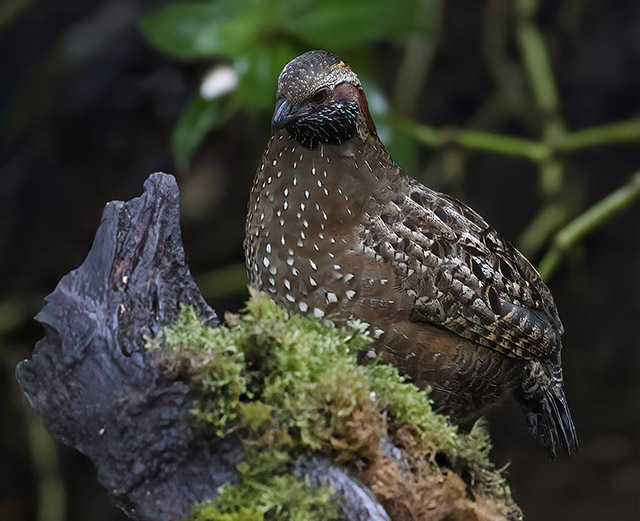
West Papua, Indonesia 7th to 25th of August 2023

Forewords

In spring I had got a phone call from my old friend Vesa Jouhki and he had asked me to join their trip to West Papua, Indonesia. Their trip had been cancelled for almost 3 years already because of the Covid and now when it seemed that the trip was finally going to happen, a couple of participants weren’t able to go anymore. So Vesa was searching for new participants and with Hanna we would have fitted well. But the trip was in August when Hanna’s holiday was already over, so I told to Vesa that we couldn’t come. But I still asked a week or so time to think. And after all I thought this would be a once in a lifetime possibility to get to this exotic place and I decided to join the trip.
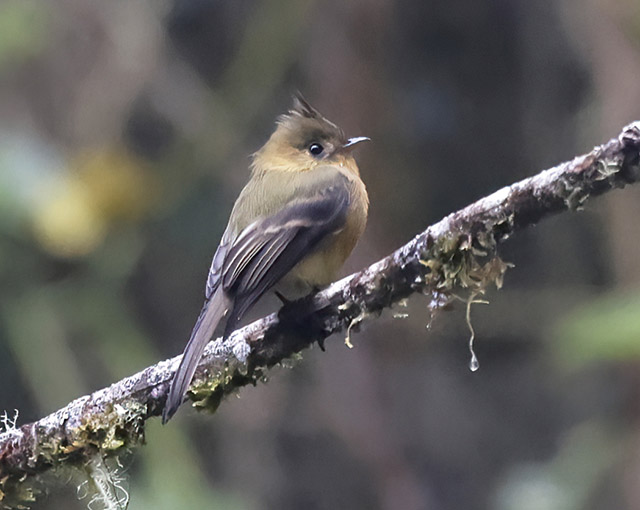
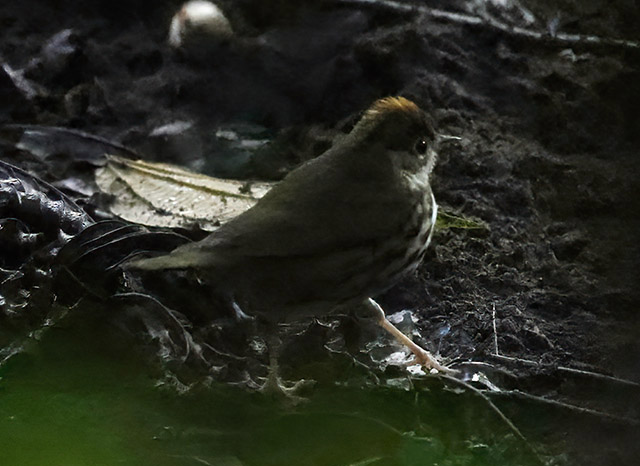
On Saturday the 5th of August I walked to Parikkala railway-station and at 10:20 a.m. a train left. A few hours later I got out in Tikkurila and then took a local train to Helsinki-Vantaa airport. I was there at 1:40 p.m. so I had plenty of time but anyway I went through the security-checks and to the gate to wait.

After some waiting other participants started to get to the gate too and finally we were all there: Vesa Jouhki, Markku Vesterinen, Jyri Strandberg, Andreas Uppstu, Matias Castrén and Mikko Ala-Kojola. Because of Hanna hadn’t been able to join the trip, Vesa had asked me to try to get some friend of mine to join us and I had asked my good old friend Mikko. And it was great that he had been able to join us!

Traveling

Finally at 5:10 p.m. it was time to get to Finnair plane that soon left towards Qatar. I tried to watch some movies but it seemed that there weren’t any good movies made during Covid-years. After all I managed to sleep a little.

Just before midnight we landed to Qatar where we had to spend whole night at the airport. Both Matias and Markku had an access to different lounges and they could take a few persons with them so we all could get in. But after all we could stay in the lounge only for a couple of hours but at least we could get something to eat and drink before we had to try to get some rest in awful benches near the gates.

Finally at 8:30 a.m. our Qatar airways flight left to Jakarta Indonesia. It was another extremely long flight but finally we landed to Jakarta at 9:30 p.m. We had been flying over many time zones.

After passport-check and so on we found our luggage and then we still had to get Visas and queue in many different queues. We were absolutely tired after long traveling and it was hard to understand what was happening in the end of different queues. The strangest check was a QR-code that we had to get from internet and then it was checked. Finally we got out to the lobby and there we met our Indian tour-leader Sujan Chatterjee.

For some reason we were hurrying all the time and even the ATM was visited so briefly that I had no idea how much money to get. I took a million liras which felt like a lot of money but after all wasn’t enough. And when we finally got out and met our local contact and our drivers and started packing our luggage to the trunks, I realized that one of my bags was missing. Luckily it was just a small bag which had my pillow, vest, hat and bird-book and all papers in it, but of course I had to go back to the airport to search for it. But it was gone. Of course I had lost some money but I had also lost hours and hours of work as I had done lots of markings to my book and papers about birds, their voices and places where to see them and so on. But after all I was lucky that I hadn’t lost my passport.

Soon we had to leave to our hotel where we got our rooms. Then with Mikko we still arranged our stuff so that we had everything ready for the morning before we fell asleep.

Jakarta bay

On the 7th of August after a good breakfast we were ready to do some birding. Cars came to pick us up and soon we were driving in a surprisingly green and nice landscape towards Jakarta Bay. I had thought that Jakarta would be an awful place but it seemed quite nice actually.

The first birds we saw were common city-birds but when we reached the river, we saw some Oriental Darters, Javan Mynas and so on. And soon we climbed to a boat and left to sail along the river towards Muare Angke.

Our guide was a young man named Kalev, which had been guiding Vesa before. Actually they had done the same river-trip earlier too. Soon we started to see Black-crowned Night-Herons, Javan Pond Herons, Eastern Cattle Egrets, Striated Herons, Little and Great Egrets and Grey and Purple Herons. And after some time we saw the first Milky Storks.

Purple HeronMilky Stork

We photographed Sunda Teals that were breeding on ship-wrecks and saw plenty of Whiskered Terns, some White-breasted Waterhens and Golden-bellied Gerygones and a couple of Clamorous Reed Warblers. Lifers I got were Bar-winged Prinia, Pied Stilt and Black-backed Swamphen.

Sunda TealWhite-breasted Waterhen

Crab-eating Macaques were seen on the trees and docks and Water Monitors were seen on the shore. Pink-necked Green Pigeons and Red-breasted Parakeets were on the top of trees and then we found a coucal that we hoped to be a Javan Coucal but it seemed to be just a Greater Coucal.

Crab-eating Macaque

Finally we reached the sea and after some sailing we found the first Christmas Frigatebird that we managed to photograph well. Also a couple of White-bellied Sea Eagles gave us good views. A flock of 40 Glossy Ibises flew over us. But otherwise there weren’t many birds to see. We had hoped to find more frigatebirds and much more terns but now we saw only more Whiskered Terns and some Great Crested Terns.

Christmas FrigatebirdWhite-bellied Sea Eagle

Little Black Cormorant was numerous and after some scanning we managed to find a single White-winged Tern and a Little Tern was seen flying past.

White-winged TernJavan Plover

Once we were along the shore again, we saw a single Javan Plover and on the river we saw more herons and egrets and also a few White-headed and White-capped Munias, a Pied Triller and Sunda Pygmy and Freckle-breasted Woodpeckers.

When we were on the dock again, we jumped into our cars and continued a short drive to Taman Wisata Alam Kapuk mangrove-park. There we walked about an hour and found Brown Honeyeaters, Javan Munias, Scarlet-headed Flowerpeckers, Malesian Pied Fantails, a Cerulean Kingfisher and so on. Also a couple of Sunda Collared Doves were seen.

Common IoraBrown Honeyeater

The day started to get hot and our guide had somewhere else to go so we soon continued back to our hotel to relax. After some relaxing it was time to get back to the airport and after a couple of hours waiting our last long flight left towards Biak, West Papua.

Biak

The 8th of August. I slept very well on the plane but there was a stop in Kendar, Sulawesi where we had to get to airport for some time before our flight continued. It was an early morning, 7 a.m. when we finally landed to Frans Kaisiepo Airport on Biak.

We met our local contact and drivers again at the airport while we were waiting for our luggage. Everyone else had already disappeared from the airport when I was still waiting for my bag. When the last bags came there still was no sign of mine. I started to get very nervous but then I got information that the drivers had already taken my bag and it was already in the hotel! I have no idea how they had identified my bag.

Anyway then I walked to the hotel where everyone else had gone by car much earlier. Then we had a brief breakfast and were soon were ready to go birding! Finally we were in our destination, small island of Biak – West Papua!

Again we had a local guide with us and three cars with drivers, but it took some time to find out which one of these men was the guide as they all were very shy and none of them took any contact with us. Luckily Sujan had been in West Papua already 14 times and of course we had also studied quite a lot so we started to fill our trip-list.

The first identified birds were common and familiar birds like Tree Sparrow, Pacific Swallow, Sooty-headed Bulbul, Feral Pigeon, and Spotted Dove, but when we got out from the village, we started to see other birds too but most of the birds we saw from the car were seen too briefly, but Willie Wagtail, Glossy and Uniform Swiftlet were identified.

After some driving we stopped along a small road and started to walk along it. There were bushes and trees around us and we started to see more birds immediately. Red-capped Flowerpeckers, Black Sunbirds, Hooded Butcherbirds, a Sahul Brush Cuckoo, a Great Cuckoo-Dove, a Claret-breasted Fruit Dove and the first endemic birds, a Geelvink Imperial Pigeon and a Geelvink Fruit Dove were found.

Hooded ButcherbirdGeelvink Fruit-Dove

We also found some birds that I was already familiar with: A Sacred Kingfisher, Oriental Dollarbirds and Olive-backed Sunbirds I had seen in Bali and Java or elsewhere in Asia. But all other birds were lifers like endemic Biak Hooded Pittas that were calling, Rainbow Bee-eaters, Metallic and Long-tailed Starlings that were seen well. Then we saw briefly or only heard some other birds like Biak Trillers, Papuan Eclectus Parrots and a Biak Black Flycatcher.

Long-tailed StarlingBiak Black Flycatcher

Finally the playback produced a beautiful Biak Paradise Kingfisher that flew several times over us but didn’t let us to get any pictures. Later we heard several Biak Paradise Kingfishers more but couldn’t see them at all.

We walked until the end of the road and stayed there in a bushy area for some time and playbacks were playing. We had no idea what songs and calls were being played but after some waiting I finally heard similar calls behind us and we could see a small flock of Biak White-eyes skulking inside the bushes.

Willie Wagtail

The weather started to get hot so we drove back to our hotel. On the way we saw a Sulphur-crested Cockatoo flying in the sky. Then in our hotel, which was very nice, we just rested in our cool rooms for some time. When we woke up we did a short walk in the garden and photographed a tame Willie Wagtail and also a Sacred Kingfisher. But soon we went back to relax.

In the afternoon we headed to a forest where we could find Amboyna Cuckoo-Doves, Spangled Drongos, Shining Flycatchers, a Golden Monarch that showed very well, Biak Coucals that were only heard, a Pacific Baza, Moustached Treeswifts, a couple of Geelvink Pygmy Parrots, Black-capped Lories, Emperor Fairywrens, Black-winged Lories, Biak Lorikeets, a Biak Gerygone and a Geelvink Cicadabird. Of course we saw some species that we had seen already in the morning but still couldn’t get any better pictures of them.

Golden MonarchGeelvink Pygmy Parrot

Biak Scops Owl

When it was getting dark, we continued to a place where we started to play calls of a Biak Scops Owl. And soon we heard a response and saw the owl flying to one treetop. With torches we could see and photograph this endemic owl pretty well. In same place we played also Papuan Frogmouth calls and it also started calling further and then also another Biak Scops Owl started to call. But soon we were ready to drive back to hotel and go to sleep.

On the 9th of August we woke up early and started driving in darkness. Finally when we reached the birding spot, we started to have breakfast. This wasn’t a clever move as the sun was soon rising and it was the best time for birding. Then when we were finally walking along a small road, there wasn’t much activity anymore. So it wasn’t a big surprise that we couldn’t locate any Biak Scrubfowls.

Biak Lorikeet1

We found some Red-cheeked Parrots, a Biak Fantail, a couple of Biak Monarchs and also a couple of Large-tailed Nightjars. Then we moved to another place where our guide hurried to walk a path and everyone who was ready was following him. I had to change my shoes and so on so I wasn’t even on the path yet when someone shouted that a Biak Scrubfowl had flushed in front of the guide. Of course the last ones missed it. Luckily it gave a call when it landed. Then we played tape and waited for a long time it to come back but it only called one more time.

During the morning we found also a singing Biak Leaf Warbler and finally when we had managed to make our guide Eko to understand that we were happy also to hear some species if they were too difficult to see, we started to search for one more endemic. And after some searching and playbacking, we finally heard a Biak Whistler!

Mangrove

During the day we rested in our room again and tried to get rid of sleep debt and jetlag. In the afternoon we drove a longer way to the south-eastern corner of the island to mangrove that tsunami had deformed in the past. We walked on the road in the middle of mangrove and found Sacred and Beach Kingfishers, many Torresian Imperial Pigeons, a few Spotted Whistling Ducks and Channel-billed Cuckoos and a single Torresian Crow.

Beach KingfisherTorresian Imperial Pigeon

We also saw lots of Rainbow Bee-eaters and a Brahminy Kite and an Osprey, which was an own species in the past. Also some waders were found like Wood Sandpipers, a Greenshank, a couple of Grey Tattlers and a couple of Common Redshanks which is very rare bird in Papua.

It was getting dark when we saw some egrets flying to roost. They were all Great and Little Egrets until Mikko noticed a big grey heron flying in the distance. Only I managed to find it too before it landed to (or) behind a big tree – it was a Great–billed Heron!

It was already dark when Nankeen Night Herons started to fly, but soon we had to start driving back to our hotel.

In the evening we ate well in a local restaurant – fish and crabs and so on. It was funny that we could find beer in some restaurants but some of them didn’t have any Coca Cola, and Pepsi wasn’t found anywhere in the whole island!

Some of our group still went to swim to a pool before we kept the log. “Luckily” the number of bird-species was low so we were able to go to sleep soon.

Sentani

On the 10th of August we had packed our luggage ready and soon headed to the airport. And soon our flight towards Jayapura left.

We landed to Bandar Udara Sentani airport and pretty soon we had packed our luggage to cars and left driving. After a short drive we turned to Sentani grasslands where we soon stopped when we saw a Pygmy Eagle soaring on the sky.

Pygmy EagleWhistling Kite

Soon we found also New Guinea Friarbirds, Tree Martins and saw a Brown Quail in flight briefly. Then we saw a Papuan Harrier soaring behind the grassland and a couple of Whistling Kites flew over us. Both Golden-headed Cisticolas and Rainbow Bee-eaters were seen some tens.

Crimson Finch

We walked along the road a little and still found a White-shouldered Fairywren and several Crimson Finches. Both Black-billed and Pheasant Coucals were heard and then we saw another quail in flight – this was smaller than the previous one – a King Quail.

A Fawn-breasted Bowerbird landed to one tree and a Buff-banded Rail crossed the road so quickly that only a couple of us managed to see it. Then we still found Great-billed and Hooded Mannikins, heard a White-bellied Thicket Fantail and a Pacific Koel, so we were very happy when we continued driving towards Nimbokrang.

Nimbokrang

After one and half hours driving we finally parked to Jamal’s Homestay and got our rooms. After a short relaxing we did a short walk in the village with Mikko, Andreas and Jyri. Sun was shining and it was incredibly hot so only bird to mention was a Variable Goshawk.

In the afternoon we headed to so-called KM9 view-place. We had a local guide with us but he really didn’t take any contact with us in the beginning. We had to always first find him and then ask if there was some call or difficult bird that we wanted to identify. He knew the birds well and always answered our questions but then he again disappeared somewhere to talk with locals.

Anyway we managed to find lots of birds like Orange-bellied Fruit Doves, Pinon’s end Zoe’s Imperial Pigeons, Black-browed Trillers, Plain, Tawny-breasted and Puff-backed Honeyeaters, Yellow-faced Mynas, Brown and Coconut Lorikeets, Ivory-billed Coucals, a Grey-headed Goshawk, a Boyer’s Cuckooshrike, a Rufous-bellied Kookaburra, Papuan Spinetails, a Mamberamo Shrikethrush and some already familiar birds.

Tawny-breasted HoneyeaterPuff-backed Honeyeater

Papuan Nightjar1

When it was getting dark, we continued to KM8 area where we followed a path inside the forest. Drivers carried seats for us and we sat down to wait. Soon we heard and saw a Hook-billed Kingfisher with our thermal cameras. Then after some waiting we saw a Papuan Nightjar that came to hunt insects to a small open area where we were sitting. It was very dark but I managed to get a couple of pictures of this nightjar.

Then we followed the path a little bit further and soon heard a Marbled Frogmouth calling. We found the bird with our torches but it was behind branches so pictures weren’t good at all. But anyway our first day in Nimbokrang had been excellent. Our guide Kolik had been getting better in the evening so we expected to have good next few days.

On the 11th of August we started early and soon we were walking a path that lead inside Korea Forest. After some walking we had again seats ready for us and we sat down to wait for sunrise and then something else. After we had heard Papuan Frogmouths calling the sun started to rise and pretty soon the bird that we had been waiting for arrived to a top of a trunk. It was one of my dream-birds – a Twelve-wired Bird-of-Paradise!

The Twelve-wired B-o-P was turning and twisting on the top of the trunk for a long time before it flew away. And after some time it came back to continue its lek. It was quite high up and the light was still bad but we managed to get some OK pictures.

Twelve-wired Bird-of-paradiseTwelve-wired bird-of-Paradise

When our first B-o-P once again flew away, Kolik told us to come next to him and there we saw another treetop with a couple of birds – there was a Glossy-mantled Manucode and a Pink-spotted Fruit Dove. Soon we heard also a Pale-billed Sicklebill which was visible only very briefly so we didn’t get any (except one very bad) pictures of it.

Glossy-mantled ManucodePale-billed Sicklebill

We heard also a King Bird-of-paradise, a Northern Fantail and a Black Butcherbird before we walked back to the road. Then we walked along the road for some time and found Grey-headed Cuckooshrikes and Black Cicadabirds, a beautiful Lowland Peltops, an Ochre-collared Monarch, a Large-billed Gerygone, Meyer’s Friarbirds, Streak-headed Mannikins, a Salvadori’s Fig Parrot that flew over us and the most stunning Palm Cockatoos. Another guide, or some kind of helper, Mr. Dante was very happy when he pointed us these big parrots – and they really were amazing!

Lowland PeltopsPalm Cockatoo

Blyth's Hornbill

We also saw more Glossy-mantled Manucodes, a gorgeous Blyth’s hornbill flew over us, Black-capped Lories, a distant Pale-billed Sicklebill and so on.

Next we continued to a forest-garden where we sat under a big tree and waited for Buff-faced Pygmy Parrots to arrive climbing to the trunks and branches but they didn’t come. So we went to photograph a mom and a child Papuan Frogmouths and a noisy Yellow-billed Kingfisher that were nearby.

Papuan FrogmouthYellow-billed Kingfisher

Then we walked a little around the garden and managed to find some Buff-faced Pygmy Parrots but they were mostly just heard and then seen in flight a couple of times.

Rice fields

In the afternoon we spent time in a couple of hides but neither Spotted Jewel-babblers nor pittas were visiting the feeders. In the late afternoon we headed to rice-fields that were close to the village but we were there probably too late. We heard mostly just Hooded Butcherbirds that were calling so many different kinds of calls that Sujan told that they are called 5 dollar birds amongst bird-guides. Every time someone asks: What bird is that?” and it is a Hooded Butcherbird, 5 dollars should change owner. At least one of us would have got much lighter wallet after this trip…

On the 12th of August we headed early to walk a path inside a forest and after some walking we went into a hide to wait. While walking we had heard a Collared Brushturkey and to the hide we heard a New Guinea Scrubfowl and a couple of Papuan Pittas. We were waiting for a Magnificent Riflebird but it was just calling nearby and didn’t show itself.

When we had given up waiting for Magnificent Riflebird, we continued walking along the path and soon heard some Lesser Bird-of-paradises and then managed to find them on the top of one huge tree. They were quite far and high so we couldn’t get any good pictures but at least something.

Lesser Bird-of-paradiseLesser Bird-of-paradise

Then we walked to sit and wait close to trees where we soon saw some movement. It was an absolutely beautiful King Bird-of-paradise! Also this bird was quite high up and almost all the time in the shadows, but after some trying we managed to get some OK pictures.

King bird-of-paradiseKing bird-of-paradise

The forest-walk was a success as Kolik had understood that we really wanted to know all the birds that were calling. So we managed to find an Ornate, a Coronated and a Dwarf Fruit Dove, a White-crowned Cuckoo, a couple of Papuan Dwarf Kingfishers, a Pesquet’s Parrot, another Salvadori’s Fig Parrot, Papuan Babblers, Long-billed and Streak-headed Honeyeaters, a Bar-tailed Cuckoo-Dove, Golden Cuckooshrikes, a Rusty and a Northern Variable Pitohui, a Sooty Thicket Fantail, a Rufous-backed Fantail, a Hooded Monarch, a Black Berrypecker and an Olive Flyrobin.

In the afternoon we headed to Korean Forest again to walk to the road between the bridges. For some reason Kolik wasn’t with us but only Mr Dante. He was a former hunter who had started to search birds for birders. He was also some kind of chief in the village so everyone knew and respected him. But he didn’t speak any English and he always disappeared into the forest with his machete. He clearly tried to find some extremely difficult birds for us but unfortunately we weren’t lucky. Earlier there had been some Victoria Crowned Pigeons in the area but nowadays they seemed to be impossible to find.

Anyway we managed to find some birds by our own. a Wompoo Fruit Dove, Green-backed Honeyeater, Jobi Manucodes and a Spectacled Longbill were found. We also saw a couple of Twelve-wired Bird-of-paradises that were quite distant on the top of trunks on the forest edge.

Salvadori's Fig Parrot

On the 13th of August we started the morning with a long path-walk to a tree where Salvadori’s Fig Parrots were living. Some of us had missed the species earlier so we had to go to see them better. On the walk we already found nice species like a Tan-capped Catbird, a Black-sided Robin, a Sahul Cicadabird, a Grey Crow, a Dwarf Koel and a Spot-winged Monarch.

Once we reached the tree, we got better views of Salvadori’s Fig Parrots but the birds were directly above us and very high. On the tree-top we saw at least 6 parrots and also a Brahminy Kite was perched there for some time.

Eastern Hooded Pitta

When we were walking back we observed many already familiar birds and then stopped again in pitta-hide. This time the wait was worthy as a beautiful Eastern Hooded Pitta came to feed with mealworms. We got nice pictures but of course we hoped that also Papuan Pitta would have shown up. It was just calling nearby.

Next we continued to the best organized photographing place so far. There was an open area with a branch in the middle of it and Kolik and one of the drivers started to hang earthworms to the branch. Then Kolik started to play tape and soon we heard a response. And then a stunning Common Paradise Kingfisher came to feed with worms.

After the kingfisher had eaten a couple of worms it dropped down to the ground and caught one more worm and ate it just in front of us. So we had finally started to get some good pictures!

Common Paradise KingfisherCommon Paradise Kingfisher

When the day was warming up, we headed to a view-place to do some raptor-watching. Sujan was laughing a little bit as he said that local raptors are hunting inside the forests. Most of our group was sitting under a roof in a shadow but with Jyri we were standing under a tree and watching to a different direction. And soon we saw an enormous raptor flying over the forest! I shouted to the others but only Mikko managed to see this bird gliding low down and disappearing inside the forest – it had been a Papuan Eagle!

Soon we saw also a couple of Long-tailed Honey Buzzards and Whistling Kites and a Variable Goshawk so it was possible to see raptors with some effort.

In the afternoon we walked a little bit in a forest edge near the village but saw only a couple of White-bellied Cuckooshrikes.

Dwarf KoelWhite-bellied Cuckooshrike

For some reason we left back to our hostel too early and walked to a bridge nearby. There were absolutely no birds so we asked if we still could go back to the first place. It was already late so only bird we found was a calling Pale-vented Bush-hen – the same species that we had tried to find from the bridge.

In the evening we got bad news – our next flight had been cancelled. It was hopefully going to fly 24 hours later. So we had to stay in Nimbokrang for an extra day – and we already had a feeling that there wasn’t much to do anymore.

On the 14th of August we started again in Korea Swamp Forest. Mr Dante was our guide and even though he didn’t speak any English, he was the funniest person we had got with us. Again he disappeared to the forest with his machete while we stayed birding along the road. We saw and heard plenty of familiar birds and got good practice with them but only new species was a Mimic Honeyeater. We also saw a Pale-billed Sicklebill again and got some distant pictures.

Boyer's CuckooshrikePale-billed Sicklebill

When it was getting hot, we decided to go to try to see Buff-faced Pygmy Parrots again. We really had no idea what else we could do. Birding in Papua is difficult because of all land is owned by someone. So you have to get a permit to go anywhere. So you have to be ready to bribe locals to get some places and to most of the places you can’t go at all.

Papuan Frogmouths were still on their nest and now we saw more Buff-faced Pygmy Parrots but again only in flight. Pretty soon we decided to go to rest a little.

In the afternoon we headed to a view-place once again. We saw familiar birds and finally we saw a few Grey Crows that we had only heard earlier. Unfortunately we didn’t see any Brown Lorikeet that some of the group had missed earlier. We photographed all parrots that flew over but they were all the common ones.

View

It was getting late afternoon when I heard a call from distance that I immediately identified – or at least though I identified. It was one of the only calls that I was sure that I had learned when I had been listening to many calls and songs of Papuan birds at home. I went to ask both Kolik and Sujan to listen to the call as I thought it was a Papuan Eagle. They both laughed at me and told that it was just an imperial pigeon. Well I hadn’t heard any that aloud and far-carrying imperial pigeon that could be heard from kilometers away and was always calling only ones in every 30 seconds, so I kept on listening to it and started to take sound-recordings too. After some time I went to ask Kolik to listen to the call again as I was sure that it wasn’t a pigeon. This time he concentrated to listen to it and it was funny to see his look change – and after some listening he said: “I was wrong – it is a harpy!” Then he told that actually he had seen a pair of Papuan Eagles in exactly that direction close to KM8 several times. And he had also heard the bird calling there. He just couldn’t believe that it could be heard this far – but after all it was only a couple of kilometers to KM8.

Sentani again

On the 15th of August we left towards Jayapura airport very early. We wanted to do some birding in Sentani grasslands again. And right away when we arrived to the familiar place, we saw a Black Bittern in flight. Then we walked along the road for some time and saw many familiar species which some of them we saw now better and got some pictures too. We also found some Chestnut-breasted Mannikins, 4 impressive Channel-billed Cuckoos flew over us and I also found a very distant Australasian Darter flying on the sky. So the morning was pretty good.

Hooded MannikinChannel-billed Cuckoo

And traveling again

Soon we had to continue to the airport and luckily our flight to Manokwari left in time. We landed to Bandar Udara Rendani airport where drivers were soon found and then we packed our luggage to the top of three 4-wheel cars. Then we headed to shopping.

Sujan

We ate well at the restaurant in a big shopping mall and then did some shopping. Sujan had a huge work as he had to buy all food for all of us for next few days. It took some time but after all we left driving towards Arfak Mountains.

But soon we met some problems as police stopped us and asked to see passports from our first car passengers. Of course Andreas had his passport in his bag and it was on the roof of our third car that was missing. This third car’s driver had some problem with car papers so when he had seen the police; he had turned to another road.

Luckily we managed to get through the police after we had taken some selfies and joked with them. But soon we had to stop again as there were lots of children dancing in the middle of the street. There was some kind of dance-competition between school-classes and these children were walking and dancing in big groups along the street. Unfortunately local women paid more attention to us than the serious-looking dancers and shouted loudly and with red smile (many of them were biting some red narcotic plant). Finally we got through the traffic-jam and could continue driving.

Arfak mountains

It was already late afternoon when we had climbed up to the mountains and the asphalt-road ended and soon we turned to a very bad and extremely steep uphill-road that went through a small village and in the end of the road were our Syoubri Guest house cottages.

Group

It was still light so we did a short walk in the village but saw almost no birds at all. Then the dinner was ready. We got 2 cottages and luckily with Matias, Sujan and Mikko we got own rooms in our cottage. We also got a big hall with a big table where it was good to keep the log in the evening.

Beetle

On our porch railing we found a huge beetle that everyone had to get some pictures. When it came dark we listened to a distant Papuan Boobook calling and after everyone else had gone to sleep, we still heard a Feline Owlet-nightjar calling with Mikko.

On the 16th of August we woke up early and after the breakfast we were ready to follow our guide Chet. When we were walking downhill to our cars, we heard a Greater Sooty Owl.

We drove a short distance and then started to walk in a dark forest following Chet who was walking very fast. After some walking we arrived to a hide and again started to wait for morning and birds to come.

While walking we had already heard an Arfak Catbird and now another one was calling behind the hide. There was a big fruit in front of the hide and we waited for the target-bird to come to feed.

After some waiting a Black-billed Sicklebill arrived and soon it started to eat the fruit with its long and curvy bill. The light was still quite bad but we got some pretty good pictures of it. When the bird left we kept on waiting for it to come back or other birds to visit the feeder. But only bird that arrived was a young Great Cuckoo-Dove. It was very shy and it didn’t start to eat at all and soon disappeared to the forest.

Black-billed SicklebillGreat Cuckoo-Dove

Feline Owlet-nightjar

Soon we were walking along the path again. A couple of younger local men had been walking along the path before us and soon they came back and started to discuss with Chet. Then Chet told us to follow these men and told it will be a tough climb. So not everyone from our group followed them but of course most of us climbed very steep uphill while our guide was making the path with his machete – and it was worthy! Finally he pointed to a bush and first we couldn’t see anything but then we realized that there was very well camouflaged Feline Owlet-nightjar openly in the middle of the bush.

Mountain Owlet-nightjar

Soon we were back on the path and saw a funny-looking Black-breasted Boatbill before we turned to walk inside the forest again. It was again very steep uphill but now shorter climb until we were inside a bush and our guide pointed straight above us – and there was a Mountain Owlet-nightjar perched on a branch just a couple of meters above us. The bird was too close for Mikko’s 600mm lens but close enough to take picture even with a phone.

When we were again following Chet on the path he showed us that he was clearly the best guide we could have. We got amazing numbers of new species but most of them were just heard or seen briefly, so not many pictures were got. But lifer-list got bigger with White-bibbed Fruit Dove, Papuan Mountain Pigeon, Moluccan King Parrot, Plum-faced, West Papuan and Fairy Lorikeet, Vogelkop Bowerbird, Rufous-sided and Marbled Honeyeater, Red Myzomela, Ornate and Vogelkop Melidectes, Goldenface, Rusty and Mountain Mouse-warbler, Grey-green Scrubwren, Mid-mountain Berrypecker, Pygmy and Yellow-billed Longbill, Mottled Berryhunter, Black-bellied Cuckooshrike, Rufous-naped Bellbird, Vogelkop and Sclater’s Whistler, Hooded Pitohui, Black Fantail, Drongo Fantail, Slaty and Green-backed Robin and we unfortunately only heard a couple of dream-birds a Vogelkop Lophorina and a Magnificent Bird-of-paradise.

Once we were back on the road we found Black-fronted and Capped White-eyes, Mountain Myzomelas, a Brown-breasted Gerygone and a Mountain Honeyeater. Swiflets that were flying on the sky were Mountain Swiftlets.

Capped White-eyeMountain Myzomela

After the lunch we drove to the highest point of the road and started walking back towards the village. Unfortunately weather was cloudy and it seemed it was going to rain soon.

Red-collared MyzomelaArfak Honeyeater

Black-breasted BoatbillBlack-breasted Boatbill

We found a Black-breasted Boatbill with a young bird, a Friendly Fantail, Red-collared Myzomelas, Arfak Honeyeaters, Vogelkop Scrubwrens, a White-eared Bronze Cuckoo and a singing Island Leaf Warbler. One Papuan Mountain Pigeon flew over the road and finally we got some pictures of some birds too. But still many species were just heard or seen briefly.

And then it started to rain very hard, so we had to hurry to our cars and give up for the rest of the day.

In the evening when we were keeping the log I did some sort of record as 26 species that were called in a row were lifers. During the day I had got 50 lifers! I wonder how many more we might have got without the rain?

At night the rain had stopped for a short time and I went out to listen and heard the Feline Owlet-nightjar again. With Sujan we managed to find it with our thermal-cameras but soon it flew away and we went to sleep.

On the 17th of August it was still raining when we woke up. We had been sleeping a little bit longer as we were going to have a tough day. Luckily the weather started to look a little bit better so we decided to stay in ordinary plan. So we packed everything we needed during the day’s birding to back-bags and what we needed for sleeping and for a couple of days trip to other waterproof bags. And after breakfast we were ready to start climbing to a mountain. People from the village were joining us and carried the rest of our stuff and food and so on.

Papuan Leaf Warbler

I still photographed an Island Leaf Warbler in the garden before we started walking. The path started just in front of our cottage. Then it started to rain again so I had to pack my camera to a waterproof bag.

It was raining pretty hard so we just kept on walking. Luckily the rain stopped just before we started to climb very steep uphill. We climbed for a long time and it was so hard that we really couldn’t find many birds. Modest Tiger Parrots were seen but Brehm’s Tiger Parrots were only heard. A couple of Papuan Treecreepers were seen as they came to playback, Yellow-billed Lorikeets were mostly just heard but also seen briefly while they were flying above treetops.

Modest Tiger ParrotPapuan Treecreeper

The climbing was hard and partly dangerous so I was a little bit worried how our group would survive. Again our guides were hurrying so the last ones were leaving behind all the time. Then we had to wait for them and once they had caught us and were able to have a short break, guides were running again.

Cinnamon-browed Melidectes, Perplexing Scrubwren, Black Monarch, Lesser Melampitta, Lesser Ground Robin, Chestnut-breasted Cuckoo, Fan-tailed Berrypecker, Spotted Jewel-babbler, Black Pitohui, Regent Whistler, Ashy Robin and Black-throated Robin were species that we either heard or saw again briefly. Birds that we also saw briefly were Crescent-crested Bird-of-paradise and Western Parotia females. One of the main reasons to climb to the mountain was Black Sicklebill and a couple of birds were first heard and then one bird was also seen a couple of times in flight.

Cinnamon-browed MelidectesBlack Pitohui

We also saw some familiar birds like a very friendly Friendly Fantail and West Papuan Lorikeets that were hiding on the top of tree.

Friendly FantailWest Papuan Lorikeet

Finally the uphill got gentler and then we got to German Camp where we rested a little and then did a short walk nearby before lunch. At midday there weren’t many birds to find but a Mottled Berryhunter was heard.

After the lunch we walked around the top but it was surprisingly quiet. I managed to photograph a Voglekop Whistler, a Black Pitohui and a Cinnamon-browed Melidectes and Andreas found a funny Reclusive Ringtail Possum hiding on a treetop.

BirdingReclusive Ringtail Possum

Then we had probably the most insane episode of the whole trip as Chef and a couple of other men started to build a hide for us – and we just stood there waiting for them to finish. Of course it was important to build another hide for us as we weren’t going to fit to one small hide but now it was very good time for birding – and it wasn’t even raining…

Luckily Sujan was with us so we could identify a Smoky Robin and a Moluccan King Parrot landed above us so I could get a couple of pictures before it flew away. Also a Black-throated Robin stopped for a second to one tree and a Canary Flyrobin was singing and a Rufescent Imperial Pigeon calling.

It took more than an hour before the hide was ready and we kept on walking back towards the camp. We passed one old hide that had an old Vogelkop Bowerbird nest in front of it but soon the first half of our group went into another hide with inhabited nest. Chet moved one decoration which actually was a small blue plastic funnel. He told that it shouldn’t take long before the owner of the nest comes to fix the decoration. We of course waited it to come and move the funnel to the ordinary place, but when the Vogelkop Bowerbird came, it changed the whole decoration of the veranda! It moved all the red chip-bags but also this blue funnel but to a new place. Sujan told that earlier there had been one bowerbird that had decorated its nest garden with spoons. And it had stolen lots of the spoons from the village. Actually also now it had been stealing all the rubbish that it was using as decoration from the village as there was really no rubbish in the forests. And village was quite far away.

Vogelkop BowerbirdVogelkop Bowerbird

It was already quite dark but we managed to get some OK pictures of this Vogelkop Bowerbird. And once we got out from the hide, it was time for the rest of our group to get in – and the same show was repeated.

Finally we were back in our camp and after the dinner we were ready to sleep. We didn’t have the log as none of us had taken any paper or pen with us.

The 18th of August. I slept well in a shack where we all slept on the floor. I had my new very light mattress and sleeping bag with me and it was good as it was pretty cool at night.

We woke up very early and started walking towards the hides. On the way we heard a Papuan Boobook but soon we photographers crawled into the new hide and the rest went to an old one which actually was closer. If someone had told us anything about the hides we had of course done the opposite. The new hide was absolutely awful! It was situated in a steep hill and the bench was tilted and too high so it was impossible to sit. There was also a tree-trunk in the middle of the tent which made everything even more difficult. Somehow Mikko managed to put his tripod up but the lens-hole was too far even for his 600mm lens. Anyway we soon had to keep it quiet and start waiting.

Black Sicklebill

It wasn’t a surprise that Black Sicklebill didn’t come to its lek-tree. It had been calling all the time when men had been building the hide and it sure was wary. We waited for as long as it was possible to sit in the hide even the bench collapsed and made it even more difficult. After all we had to give up as we still needed many other birds too.

We photographers needed some time to pack everything, so all others had left already when we got out from the hide. And then the Black Sicklebill flew to the closest treetop! It was in bad light but at least we saw it well and got some kind of pictures.

While we were taking pictures of the Black Sicklebill a Black-mantled Goshawk flew over us. We had just heard it calling earlier. But soon we had to hurry. The best time of the morning was over soon.

Rainforest

Next we took a long and steep uphill again and climbed to try to see Arfak Astrapias. They were supposed to visit one fruiting tree every day.

Once we reached the tree we found out that the visibility to the tree wasn’t very good as it was behind other trees. We waited and waited for our target-bird to come but saw only several already familiar birds. After a long waiting we heard an Arfak Astrapia calling a few times with its strange clopping voice but we never saw it.

Then it started to rain very hard so we had to walk back to the camp. And soon we had packed everything again and were ready to start walking back towards the village.

In heavy rain the steep path was extremely slippery and dangerous! So we were walking slowly but of course some of us where again much slower. We really didn’t need to worry about birds in this weather at all. Luckily after a long walk the weather started to get a little bit better. Then we found some Dimorphic Fantails, a Black-throated Honeyeater and a couple of Garnet Robins. Then on a flatter part it was raining again but before the village the weather was getting better again and we still heard a small flock of Blue-faced Parrotfinches. Luckily these birds were very close so I also managed to hear their extremely high and thin calls.

Once we were back in the village we had to wait for some time before the last ones arrived. Luckily everyone had survived without any worse accidents and injuries. There had been some close shaves.

The rain had finally stopped and as we still had some time before the lunch, we decided to go somewhere with part of our group. We had been walking our feet death already but anyway we wanted to do some more birding. Chet and Sujan thought that only place to see any new birds was to climb back uphill. Luckily Chet joined us and we still climbed up to the other side of the farmland to the river and still managed to find a couple of new species – a Grey Thornbill and a Crinkle-collared Manucode.

ChetGrey-headed Goshawk

When we were back in the village I still managed to photograph a Grey-headed Goshawk that landed to a tree in our garden. Then it was time to keep a couple of days log and eat well. And then it was good to go to sleep to a proper bed.

On the 19th of August we were very early. When we got out from the cars we thought that we were going to walk 300 meters to a hide. So I took only my camera and head-light with me. I left my poncho, umbrella, mosquito repellent and water to the car. Luckily I changed my sandals to light boots. Mikko of course took his whole camera-equipment with tripod.

Soon it was clear that we hadn’t been told anything about what was going to happen – again. We walked a long time to steep downhill until we reached a river which we crossed by a narrow bridge.

Andreas

Then we were told that we were going to walk to a fruiting tree which was still a long way away. So it was clear that not all could make the walk as we had been walking quite a lot in the previous days too. The sun was already rising so we observed the first birds and a Superb Fruit Dove was a lifer. So a couple of our group stayed in the riverside while the rest of us started to climb steep uphill again

This was the steepest and longest uphill so far and once again our guides were walking too fast. We were sweating a lot and I really started to miss my water-bottle! Luckily we soon heard a Mountain Peltops that I had missed a couple of days earlier and along the path we saw droppings of a Dwarf Cassowary!

It was really a hard climb and again the last ones were far behind when we surprisingly, without any warning, were there next to a fruiting tree. Then Chet’s son who was now leading us, started to point up to treetops and tug from our arms so we could see something there. He didn’t speak any English but we thought that there were Masked Bowerbirds somewhere.

I am probably too kind person so I kept on waiting for the others to come and tried to tell them what was happening and so I missed a beautiful male Masked Bowerbird that at least Mikko managed to see. Soon I was free to start scanning the treetops too and luckily I still found a female Masked Bowerbird and also a female Magnificent Bird-of-paradise which I both managed to take pictures too.

Luckily these bowerbirds were still calling so everyone managed to hear them, but soon the treetops were empty – and I am sure the reason was our chaotic coming. We could have stopped before the place, wait for the whole group and then someone should have explained what was going on, but this is clearly not how things happen in West Papua. It was also easy to say now that we should have started much earlier in the morning as we were now too late.

Masked BowerbirdMagnificent Bird-of-paradise

We waited for a long time for birds to come back but all we saw were some fruit doves and mostly unidentified passerines on the top of high trees.

As there was nothing really happening, we decided to try to see a Spotted Jewel-babbler that was somewhere 400 meters along the path. Of course it was again extremely steep uphill and for sure it was a longer walk than 400 meters but finally we were there. Tape was playing but nothing came or responded.

Grey Whistler

So soon we walked back to the fruiting tree which seemed to be empty again. We were too tired to keep on walking, so we stayed there for some time and surprisingly it was good! Slowly we started to find new birds around us and a Forest Honeyeater, an Arafura Shrikethrush, a Grey Whistler, a Green-backed Gerygone and a Papuan Scrub Robin were observed. And when we were walking back downhill towards the river we still found a Trumpet Manucode, a Fairy Gerygone, a Black-winged Monarch and a Chestnut-bellied Fantail.

Finally we were down by the river and there we immediately saw a couple of black and white birds flushing in front of us. Luckily another one landed to a branch nearby and we could wait for everyone see this stunning Torrent-lark!

Torrent-larkMikko

We rested a little next to the river before started to walk extremely long uphill towards our cars. It was crazy hard walk as it was very hot and sun was burning! Once we were almost up, one of our cars drew down past us. And soon it drove back up with the last ones of our group. It was very good as I am sure they wouldn’t have survived from the walk as I was absolutely tired! But Goddamnit they could have stopped for a second so I could have taken my water-bottle from the back-seat!

Syoubri

When we finally reached our cars I was really badly dehydrated and also sunstroke. I would have loved to know beforehand that we were going to have a morning like this. And after all we hadn’t visited the hide at all – and Mikko had been carrying the tripod all the time. But luckily we had seen some unforgettable birds so there was no reason to complain too much.

We still drove back to Syoubri where we packed our luggage and ate before started driving towards Manokwari. But we managed to drive only 100 meters or so downhill when we got a flat tire! Luckily we just had to park in front of the closest house and soon there were several men changing the tire. And after 10 minutes we were on the road again.

While we were driving up and down on the mountain-road it was soon clear that there was something badly wrong with our car. The brakes weren’t working! So our driver had to drive very slowly and do all braking with the engine. Somehow we managed to get down and finally in Manokwari we parked in front of an exclusive Aston Hotel.

In the evening we got once again bad news as our next morning flight had been moved several hours later. And that wasn’t all – our next destination Malagufuk had informed Sujan that they are not taking any visitors on Sundays. Everything had been agreed already a long time ago but it seems that anything is possible in West Papua! Later I heard that Malagufuk had started to ask visitors to pay 650 dollars per night which probably was the real reason that we had to change our plans. It really wasn’t going to fit into our budget.

But there was no reason to start sulking. We had to adapt the situation. Luckily Sujan had lots of contacts and he is extremely good in solving problems. But it was clear that the next day was anyway going to be a holiday from serious birding as we were going to stay in Manokwari.

Manokwari

Manokwari and Sorong

So the 20th of August was an easy day which was probably more than welcome to some of our group that had been pushed to their limits on our mountain walks.

After a good breakfast we did a short an hour walk near the hotel and beach and managed to find several Scrub Honeyeaters but all the other birds were just familiar species.

During the day we headed to the airport and there we really had to stress if there was going to be any flight for us at all. First there was a sign telling that our flight was late but when some of us checked from the internet, there was no this flight at all – it hadn’t ever left from previous airport. After a long wait there was a call – in some other language than English – that there was a plane coming from Biak for us. And finally at 3:30 p.m. we left towards Sorong.

After an hour flight we landed to Sorong to Domine Eduard Osok airport. While we were rolling on the runway some of our group that were seated on the other side of the plane managed to see a swamphen.

Even though the schedule had changed a lot Sujan had managed to get a local contact and cars to pick us up and soon we drove to Fave Hotel. There all rooms weren’t ready yet so we left our luggage behind the reception-desk and soon headed to eat to Sujan’s contact’s own restaurant. And we had the best seafood that I have ever eaten!

Pipa forest

On the 21st of August our local guide was Absalon and soon we were heading to Pipa forest. When we got there, we started to walk along the road. Pretty soon was it clear that our guide was again something different. He didn’t know some of the calls and did some quite strange mistakes but what was the most important, he knew the real target-birds and of course he had the permit to do birding in this forest. And he was also quite a character!

Right away we heard calls of Red-billed Brushturkeys and soon a couple of Black Lories flew over us calling. A couple of pigeon calls were giving us problems but soon we saw a couple of Stephan’s Emerald Doves that flew across the road.

Roadside birdingSulphur-crested Cockatoo

Absalon was playbacking a lot and after some time we heard an answer of a Red-breasted Paradise Kingfisher. We also heard plenty of Yellow-billed Kingfishers that sounded very similar and a single Hook-billed Kingfisher. We also saw a female King Bird-of-paradise, heard a couple of Magnificent Riflebirds and saw a Pesquet’s Parrot flying over us.

Absalon managed to talk us through a guarded gate deeper inside the forest which was good as soon we found several Yellow-capped Pygmy Parrots climbing on trees and a Spotted Honeyeater was seen very briefly. A couple of Brown Orioles were singing and another one was also seen, a Spotted Jewel-babbler was only heard and two couples of Frilled Monarchs were showing well.

Superb Fruit DoveBrown Oriole

Blyth's HornbillFrilled Monarch

Soon we had to walk back to our cars and drive back to Sorong where we ate at Pizza Hut. Then we went to take our luggage from the hotel and drove to the harbor. There was quite a hassle but luckily we drove straight next to the boat and carriers took our bags to the VIP-cabin.

Waigeo

We were in the boat too early but after a long wait it finally left the harbor. We of course climbed to the front-deck to seawatch. Already in the harbor we saw a plover that looked like a small sand plover, so it could have been a Siberian Sand Plover but it was too far.

In the beginning we saw only Great Crested Terns and some Whiskered Terns and lots of Lesser Frigatebirds but after an hour we saw the first Bridled Terns and then altogether 6 Bulwer’s Petrels.

Lesser FrigatebirdBulwer's Petrel

We also saw a Brown Booby, a Red-necked Phalarope, a couple of Wilson’s Storm Petrels and more Lesser Frigatebirds. Just before Waigeo we still saw a pack of dolphins.

Red-necked PhalaropeWilson's Storm Petrel

Finally we got to Sapokreng, Waigeo to Waisai harbor. There were again cars waiting for us and our luggage was carried for us. Then some kinds of tourist-visas were bought for us before we could start driving towards our accommodation which was Scuba Republic diving resort.

We got nice cottages and then walked a little bit in a yard before it started to get dark. We had a log before the dinner and soon we were ready to get some well deserved shut-eye.

On the 22nd of August we woke up early and soon we were driving along a very small road uphill inside the forest. And soon we were marching along a small track to a hide. On the way we heard calls of a Dusky Megapode. Finally we were in the hide and sat down to wait something to happen.

We didn’t need to wait for long time until we saw a colorful flash behind the vegetation and soon a legendary Wilson’s Bird-of-paradise came to perch to a branch in front of us! It was all the time behind other branches so it was frustrating to take pictures.

Soon there were more Wilson’s Bird-of-paradises coming to lek and there were altogether 3 males and one female-looking bird. We even saw a copulation. It was still very dark and the birds were amazing quick on their movements so taking pictures was incredible difficult. Finally one of the males landed to a branch and stayed openly visible for a long time so I could take some nice shots of it!

Wilson's Bird-of-paradiseWilson's Bird-of-paradise

Then it still landed to a stump to lek and I got some action pictures too.

Wilson's Bird-of-paradiseWilson's Bird-of-paradise

After we had heard a Brown-headed Crow calling distantly and the lek of the Wilson’s Bird-of-paradises had stopped, we started walking back towards the road. Then we drove a little bit and soon started to walk along the road. And then we turned to a small path inside the forest. Our guide Yopi was a former hunter and we were following him and it was the first time during the whole trip that we were really walking slowly and carefully. We were trying to find a very elusive bird. With Andreas we were using thermal cameras and scanning the ground but it was Yopi who first saw the bird we were searching for. Luckily I was right behind him with a couple of others and we managed to see a big blue bird with a crest disappearing behind some trees. I started to show direction to the others and at least one still managed to see it. But unfortunately the last ones didn’t see it. We hurried behind the bird but this Western Crowned Pigeon had disappeared. Usually they flush and fly up to the trees where they can be seen by all but this time it was just running and somehow managed to disappear.

We still tried to find the Western Crowned Pigeon for some time but without luck. But we heard the first Red Bird-of-paradises and saw a smallish Boa that left right under my feet. And almost everyone else had been walking over it already. Then we still photographed a bat and a Marbled Frogmouth that Andreas found with his thermal camera before we continued to the road to walk.

BoaMarbled Frogmouth

Along the road we still managed to see a Raja Ampat Pitohui and finally found a Papuan Pitta visible so that we could also take some pictures of it!

Papuan PittaRaja Ampat Pitohui

When we were back at our accommodation we saw a few Pied Imperial Pigeons flying over us. During the hottest time of the day we stayed inside our room and enjoyed the air-condition.

In the afternoon we had booked a boat and we left to sea. We drove more than an hour to a small Merpati paradise-island. The stranding was made using a strait that led us go through a reef.

Right away on the beach we found Moluccan Starlings, Olive and Varied Honeyeaters from the trees. A few Violet-necked Lories flew over us and soon we heard and saw the first Spice Imperial Pigeons and Island Whistlers.

Beach KingfisherMoluccan Starling

Olive HoneyeaterVaried Honeyeater

We walked along a path inside the forest and found some White-bibbed Fruit Doves and suddenly a Dusky Megapode dropped from somewhere in front of us and stayed in a bush so we could take pictures of it. After some searching we found also Arafura Fantails and while we were walking on the beach we still found a couple of Lemon-bellied White-eyes. Then it started to rain very hard so we had to get under the roof of local people’s hut. Luckily the family let us stay there. One of our group members was feeling quite sick but luckily it was nothing serious and he started to feel better after some time.

Island WhistlerDusky Megapode

Fruit-BatCrab

On the way back we stopped on another paradise island where amazing numbers of fruit-bats were hanging on the trees and flying above the island. We took lots of pictures of bats and walked on the beach where we saw some Bridled Terns and a single Black-naped Tern. In the trees we saw some familiar honeyeaters before we had to hurry to the boat again.

We still saw a distant buoy where were some terns and a Pacific Reef Heron. We asked the driver to get closer to the buoy but he told that we were running out of fuel. And soon the engine started to work badly. It seemed that already our second island-stop had been too much for the well calculated amount of fuel but somehow we managed to get back to our dock.

On the 23rd of August we were again early and driving along narrow and steep roads. Finally we stopped at Warkesi Forest Camp bird-trail parking place and soon started to walk along the path.

Again nobody told us that we were going to walk a long way and very steep uphill. And once again we were walking extremely fast. Even though everyone was feeling OK again the last ones were leaving behind. Somehow we managed to make a local guide to understand that we had to climb slower but once we reached a high hide-tower, we had to wait for some time again before everyone was there. And actually we had been told that there was no hide at all but luckily Mikko had taken his tripod with him anyway.

We climbed up to the tower and of course then it started to rain hard. We soon started to hear calls of Red Bird-of-paradises but because of the rain their lek was cancelled. After a long wait the rain was getting weaker and I put my camera ready and was ready for something to happen. And in a minute a Red B-o-P flew to a branch and started lekking. But then the local guide saw it and started talking and waving his hands and even put his hand out through my photographing-hole and pointed towards the bird and of course the bird got scared and flew away! And I had seen the bird already some time earlier and calmly told about it to everyone else and they were slowly and carefully getting towards their photographing-holes. But now some missed the bird and I was the only one to get a couple of pictures.

Red Bird-of-paradiseRed Bird-of-paradise

After some more waiting one Red Bop flew to the tree but it just perched on the branch and soon it started to rain again and it moved inside the top of the tree so it was hardly visible. And it kept on raining for a long time.

After all we had to start walking back towards the parking place. While we were walking the rain finally stopped and we started to play different kind of playbacks. A couple of Pale-billed Scrubwrens were heard but a Waigeo Shrikethrush came so quickly to playback that only I managed to see it well enough – and then it disappeared.

Once we were back at the parking place we drove next to a small pond and walked to the shore. First we saw a couple of Spotted Whistling Ducks but soon we found also a nice Radjah Shelduck.

Spotted Whistling DuckRadjah Shelduck

The weather was getting warm so soon we saw some raptors flying on the sky. After a couple of Pacific Bazas and Brahminy Kites we saw a Collared Sparrowhawk and then a stunning Gurney’s Eagle! I had managed to get some moist inside my camera so my pictures were really bad. Luckily I got the moist away when I took my lens off.

Collared SparrowhawkGurney's Eagle

In the afternoon we did a boat-trip again. We headed straight to the buoy that we had seen in the distance on the previous evening. On the way we saw a small flock of Red-necked Phalaropes and soon we saw that there were still terns on the buoy. And once we got closer we could see that the birds we had guessed from the bad-quality pictures to be noddies were in fact Black Noddies! There were also Great Crested Terns and Bridled Terns which all were good to get some pictures of.

TernsBridled Tern

Black Noddies and Bridled TernBlack Noddy

Then we still headed to the bat-island to enjoy the beautiful place and warm weather – at least those of us who know the word enjoy – as there were no more new birds to find.

Bat IslandIsland

When we were back at our accommodation we spent some time on the deck and saw Pied Imperial Pigeons, Moustached Treeswifts, Lesser Frigatebirds, Papuan Eclectuses and a Striated Heron and so on.

Moustached TreeswiftPied Imperial Pigeon

On the morning of the 24th of August we still made a short walk near Scuba Republic and it was worthy. We saw a flock of 16 Rusty Pitohuis, heard a singing Waigeo Whistling Thrush and saw 2 Great-billed Parrots flying over us.

Soon we had to pack our luggage to cars and leave towards the harbor. We still stopped at the airport bay as it was a low tide and saw a Grey-tailed Tattler, a Eurasian Whimbrel and a couple of Common Sandpipers.

Soon we were at the harbor again and then in a same VIP-cabin. When the ship left we went to front-deck but now it was very quiet on the sea. The wind was very hard and all we saw were some Lesser Frigatebirds, terns, a Brown Booby, a Bulwer’s Petrel and some flying fish.

Sorong mangroves

Finally we were back at Sorong and there we headed to eat and then to our hotel to relax. In the afternoon we were ready to go birding. Absalon was guiding us again when we headed to huge Sorong mangroves.

Absalon was again walking quite far from us and playing just one call from his phone while there were also some other birds to find. But we managed to find and identify Orange-fronted Fruit Doves and Brown-backed Honeyeaters but some other species were missing. Finally the resilience of Absalon was rewarded when we all heard a Blue-black Kingfisher calling back. And soon I found the bird perched inside a big bush and then after some trying I managed to find one spot where it was possible to get good pictures.

Orange-fronted Fruit DoveBlue-black Kingfisher

We also managed to see a Little Kingfisher in flight before we decided to move to other part of the mangrove. There we were walking along the road when an over-keen guard came to shout to us. There was a gas-pipe next to the road so we probably weren’t allowed to be there. Later we noticed that our cars were missing license plates – they had been removed before the visit in this part of mangrove. After some waiting another guard came and this man looked more like a real guard, but he also was behaving much calmer. But anyway we had to leave this place, but luckily not before we saw an Australian White Ibis flying over us.

Then we headed to our hotel, went to eat to the same restaurant where we had excellent seafood again. And the rest of the evening we just relaxed and packed.

Towards home

On the 25th of August we headed to the airport very early. While waiting for our plane I remembered that some of our group had seen a swamphen from the plane in a ditch near the runway. I checked Merlin and realized that it was a different species here than in Java, it was Australasian Swamphen here. Thanks to determination of Andreas, after checking every corner of the airport, he managed to find a place where he could see the right area and after all he found several Australasian Swamphens.

Finally at 10:45 a.m. our flight left towards Jakarta. And I slept almost all the flight. Then in Jakarta we first had to take a train to the right terminal and then we had crazy long wait for the next flight.

Some of our group went out to see if there were any birds in the parks near the airport but I decided not to go, as I am sure that I will one day come to do real birding in Java anyway. So I decided to rest and do some shopping instead. And after all they saw only familiar species but one lifer I missed as a Spotted Kestrel was seen by a couple of our group through the terminal windows.

Finally at 1:10 a.m. our flight left towards Doha. And again I was sleeping almost all the time. We were in Doha at 5:25 a.m. and there I bought some more souvenirs and at 8:10 a.m. left our last flight towards Helsinki. In the afternoon at 3:15 p.m. we landed to Helsinki-Vantaa airport.

Group

Then it was time to say goodbye to our group and I still had a couple of hours wait for my train. Finally I took a local train to Tikkurila and there I changed to Joensuu-train. I was in Parikkala before 10 p.m. And after a few hours sleep we were going to do some ringing with Hanna.

J.A.